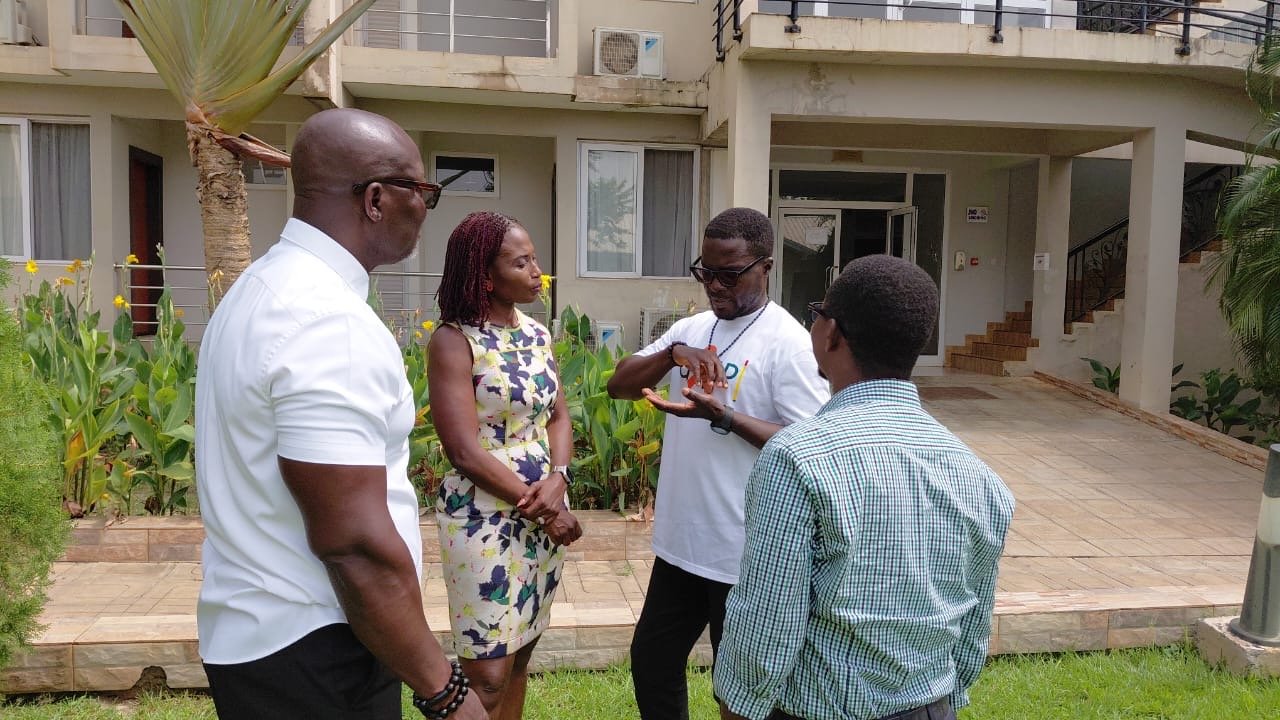
The Association for Suicide Prevention Ghana (GASP) has expressed deep concern over the persistent violation of World Health Organization (WHO) guidelines on responsible suicide reporting in the media in Ghana.
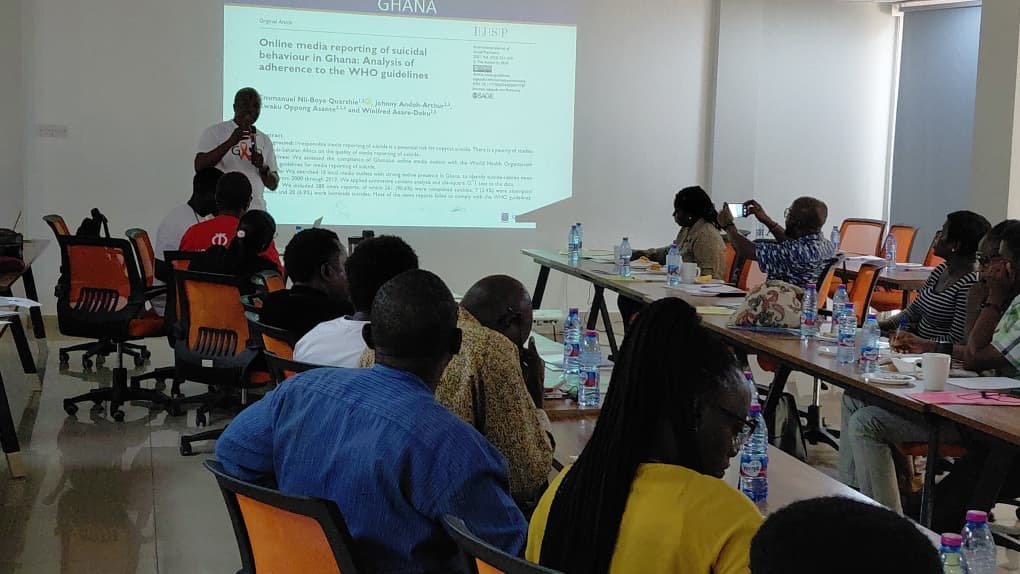
Speaking at a one-day capacity-building workshop for some selected media practitioners, Dr. Johnny Andoh-Arthur, a Social and Community Psychologist, Senior Lecturer at the Department of Psychology, University of Ghana, and Secretary of GASP, revealed alarming findings from a recent media monitoring survey.
According to Dr. Andoh-Arthur, out of 288 online news reports sampled, 22 were suicide-related stories, including attempted suicides and homicide-suicide cases, while 13 involved celebrity suicides.
“Our analysis showed that 82.6 percent of the reports used the word suicide in their headlines, nearly 80 percent used the term ‘committed suicide’, and 93.7 percent mentioned specific suicide methods,” he stated.
He explained that the use of the word “commit” reinforces stigma by associating suicide with criminality, while detailed descriptions of methods can trigger imitation or copycat incidents.
“About 66.3 percent of the reports even provided detailed descriptions of the methods used, which goes completely against WHO recommendations,” he added.
Workshop on Responsible Reporting
Dr. Johny Andoh-Authur, stated that, to address this challenge in the media, the Association for Suicide Prevention together with wide-range of stakeholders including Ghana Journalists Association, Ghana Health Service, Mental Health Authority have developed Ghana Guidelines for Appropriate Media Reporting of suicide.
He said the tailor made guidelines reinforce the WHO guidelines with additional requirement taking into consideration culture ,religious sentiments and family system.
He said the guidelines enjoin journalists to protect identity of victims and survivors, avoid publishing image of the victim, avoid using suicide related file image, demystify the myths about suicide, exercise caution and circumspection when interviewing bereaved family members, deactivate comment section in suicide publication on social media among others.
The workshop, held in Accra brought together selected journalists from the Eastern, Volta, Central, and Greater Accra regions.
It focused on ethical journalism, suicide prevention, mental health advocacy, and the critical role of the media in shaping public attitudes.
Participants were trained on the dos and don’ts of suicide reporting, including avoiding sensational headlines, graphic details, speculation, and stigmatizing language. Journalists were also encouraged to include crisis support and help seeking information such as Ghana Health Psychosocial Support toll free helpline-0800678678 in suicide-related reports.
The President of GASP, Prof. Emmanuel Nii-Boye Quarshie, a Senior Lecturer in Psychology at the University of Ghana, called on Ghanaians to show greater empathy toward individuals experiencing emotional distress.
“Suicide prevention is a collective responsibility. Listening without judgment and offering support can save lives,” Prof. Quarshie said.
He commended Parliament for repealing Ghana’s anti-suicide law, describing it as a crucial step toward reducing stigma and encouraging help-seeking behavior.
Prof. Quarshie also highlighted the lack of comprehensive suicide data in Ghana, stressing the need for systematic data collection to inform evidence-based interventions.
“Without reliable data, it is difficult to design effective prevention strategies or tackle stigma,” he noted, calling on government to support GASP’s research and data collection efforts.
He further urged traditional authorities and religious institutions to play leading roles in addressing suicide and mental health stigma within communities.
A Survivor’s Perspective
Also speaking at the workshop, a US based Ghanaian, Dr. Opokua Osei-Yeboah, President of Souls of Hope and a bereaved parent who lost her son to suicide, shared her personal experience and appealed for stronger support systems for affected families.
“We must humanize the person, not reduce them to the act,” she said. “Instead of saying committed suicide, we should say died by suicide. These were people with dreams, talents, and identities beyond their struggles.”
She emphasized the need for early mental health conversations, particularly among school-aged children, noting that suicide affects individuals as young as 11 to 13 years old.
Dr. Osei-Yeboah also called for increased government investment in mental health services, including crisis response systems, safe care facilities, and nationwide education for institutions such as schools, churches, and the police.
“Mental health challenges cut across rich and poor. Hopelessness and helplessness drive people to the edge, and until we address these root causes, suicide will remain a national concern,” she stated.
Established on 30 March 2017 and officially launched on 13 October 2022, GASP is Ghana’s leading non-governmental, non-political, and non-religious body coordinating suicide prevention efforts nationwide.
The association provides a multidisciplinary platform for researchers, mental health professionals, media practitioners, crisis workers, and suicide survivors to collaborate on prevention strategies.
GASP also offers research-informed advocacy, training programs, and free self-harm and suicide crisis support services across Ghana, regardless of ethnicity, religion, or political affiliation.
GASP is a key organizational particiapant in the Partnership For Life Porgram under the auspices of the International Association for Suicide Prevention [IASP], aimed at suicide prevention in Africa.
Source: Starrfm.com.gh