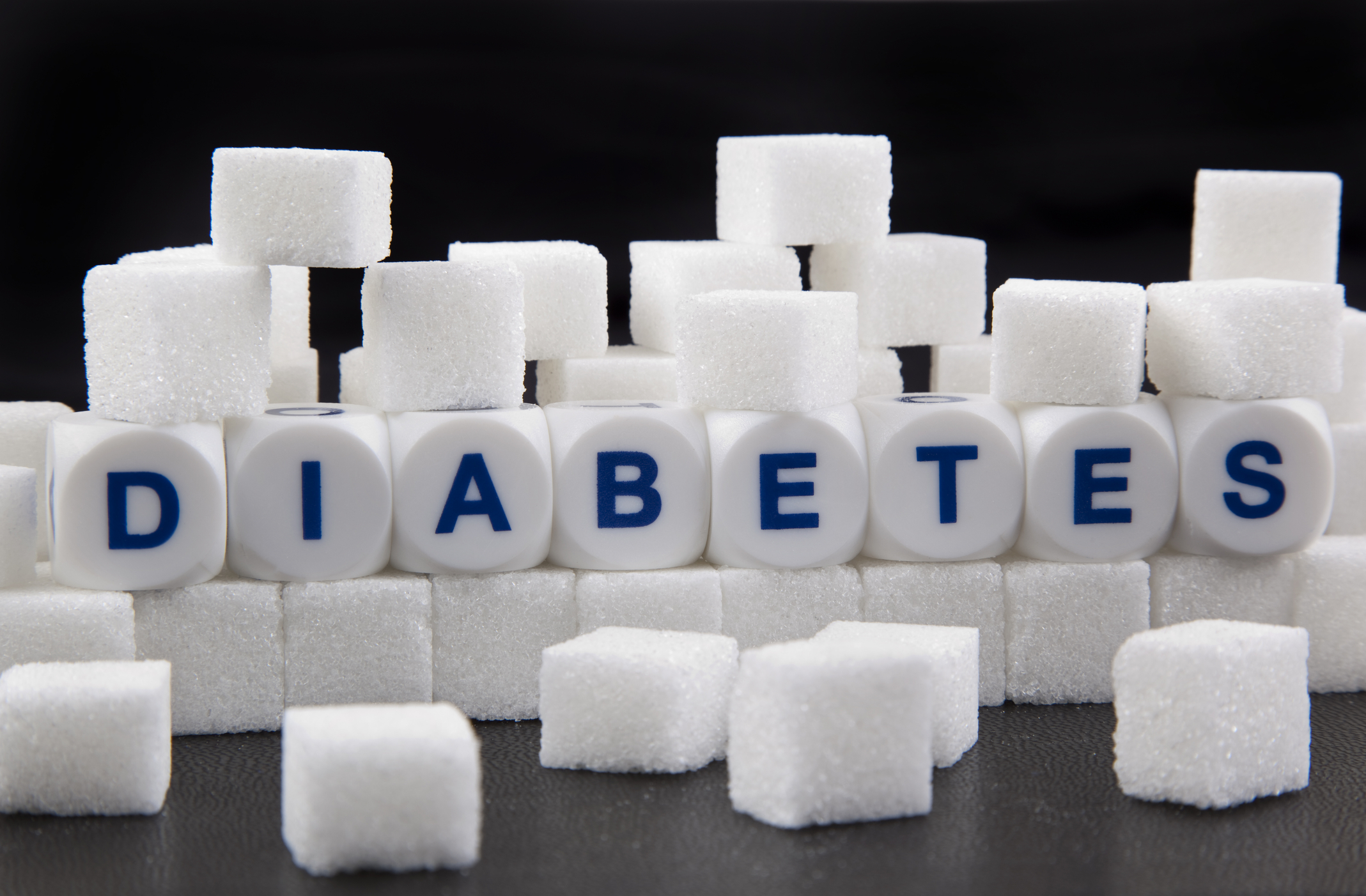
Sugar-sweetened beverages (SSBs) are non-dairy or non-alcoholic beverages which have caloric sweeteners added to it. More simply, they are drinks with the largest source of added sugar in the diet. They include carbonated and non-carbonated soft drinks/sodas, flavored/fruit juice drinks, sports drinks, energy drinks, sweetened tea and coffee drinks, and electrolyte replacement drinks. Added sugars include brown sugar, corn sweetener, corn syrup, dextrose, fructose, glucose, high- fructose corn syrup, honey, lactose, maltose, malt syrup, molasses, raw sugar and sucrose. In fact there are over 200 added sugars with some disguised under non suspecting names such as caramel, agave nectar etc.
Even though added sugar is found in many processed foods, the sugar added to beverages tends to make them highly calorific with little or no micronutrients to aid metabolism (Empty-calories). Globally, the consumption of SSBs has increased significantly in both high- and low-income countries and tends to differ considerably by gender, geographic location, socio-economic status and age. Males, adolescents and young adults as well as persons in the lower socio-economic bracket are the heaviest consumers of these drinks. However, young infants and toddlers take in a lot of sugary drinks, primarily fruit drinks and sodas.
In Ghana and many other LMICs, fruit drinks/sodas are widely consumed by young children, and many parents mistakenly believe that these drinks are healthy, potentially due to front-of-package claims and imagery. Similarly, adolescents and many young adults are deceived by false claims in adverts on drinks, particularly energy drinks, and have resorted to overconsuming these SSBs at every opportunity (parties, outdooring/naming and marriage ceremonies).
Generally, the overconsumption of unhealthy diets with high levels of calories and low micronutrients account for malnutrition in many populations. SSBs are noted to be highly calorific and very poor in other nutrients which is why they are referred to as having empty-calories.
Sugar, which is the primary ingredient in SSBs, have been shown to have addictive properties much like cocaine and caffeine. This addiction stems from the activation of the reward centres of the brain by the intake of large quantities of sugar, to release dopamine and other hormones that create a feeling of euphoria. Since SSBs contain large amounts of sugar, when consumed, they cause a ‘rush’ which may lead to extremely addictive behaviour and to even bigger cravings. Dopamine is a chemical associated with the experience of pleasure. It is little wonder why many people, especially adolescents and young adults, have taken to the overconsumption of these SSBs in response to satisfying their pleasurable desires.
Many people consume too much sugar from drinks and foods that contain added sugar. However, consuming too much added sugar, and even natural sweeteners, can lead to serious health problems. Research shows that getting sugar in liquid form is much worse than getting it from solid food. This is why high sugar beverages (SSBs) are among the worst things you can put into your body. Fact is, too much sugar is bad for your heart, kidneys, liver, pancreas, and brain. When you consume added sugar, your pancreas must produce insulin to normalize your blood sugar (glucose) levels. Overconsumption of added sugar will cause your pancreas to work overtime and most likely get damaged. The kidneys are also kicked into action to help eliminate any excess solutes provided by the sugars taken in, which can lead to its failure. Also, drinking sugary drinks can spike inflammation levels and this effect can last for a considerable amount of time to cause much problems to underlying connective tissues. In fact, the body requires no added sugars to function properly, and can rely mainly on dietary starches for its sugar (glucose) provisions. Consuming these goods (SSBs) raises calorie consumption overall and may replace healthier foods in the diet, which may result in weight gain and an increased risk of type 2 diabetes, obesity, obesity-related cancers, hypertension, coronary heart disease, liver damage, stomach problems, bone disease, infertility and tooth decay, which are the conditions described as non-communicable diseases (NCDs). Indeed, NCDs are the leading causes of death worldwide and Ghana is no exception. While NCDs have been known for a long time to be major in causing the deaths occurring worldwide, there are currently new ones emerging especially in LMICs.
In the United States, consumption of SSBs by adolescents and children has been linked to less healthy diets, excessive caloric intake and weight gain, increased obesity rates, and associated adverse health effects, including increased rates of type 2 diabetes in adulthood and dental caries in children. More evidence is accruing globally to the fact that increased consumption of SSBs heightens the risk of overweight and obesity and the development of metabolic disorders such as diabetes, and the metabolic syndrome, which can shorten life expectancy by several years. Thus, the health implications of SSBs have drawn significant attention from the scientific and general public.
Consuming SSBs has also been known to be associated with unhealthy behaviours. For instance, adults and adolescents who smoke, do not get enough sleep, are physically inactive, often eat fast foods and do not eat fruits regularly are more likely to consume SSBs frequently. Furthermore, frequent consumers of SSBs have also been shown to have more screen time and often indulge/overindulge in the viewing of movies/videos and playing games on television, phones, computers, etc).
From a public health perspective, it is imperative that some actions are put in place to stem the rising tide of SSBs consumption. Limiting sugary drink intake can help individuals maintain a healthy weight and have healthy dietary patterns. Environmental interventions, which are aimed at the social and physical environments which can influence the population’s choice of beverages as well as behavior change interventions; targeted at the population’s motivations, knowledge and attitudes on SSB consumption are necessary. If these interventions are not put in place, SSBs are likely to become more affordable and more widely consumed especially in LMICs in the nearest future which will continue to adversely affect the health of populations.
The Advocating for Ghana’s Health (A4H) Coalition, comprising Academia and Civil Society Organizations, derives motivation from this and therefore seeks to create a favorable environment and stakeholder buy-in for food-related fiscal policies (particularly SSB tax) in Ghana through advocacy and scholar activism. The coalition believes that it is the responsibility of Government to protect, promote and assure the health of its citizens by reducing the availability, accessibility, and affordability of SSBs, and will not relent on its call to the government of Ghana to implement evidence-informed interventions such as SSB tax to address this menace.
Source: Paul Armah Aryee
Associate Professor of Public Health Nutrition, UDS
Member, GAND, M3T of HD4HL
Source: Ghana/Starrfm.com.gh/103.5FM