


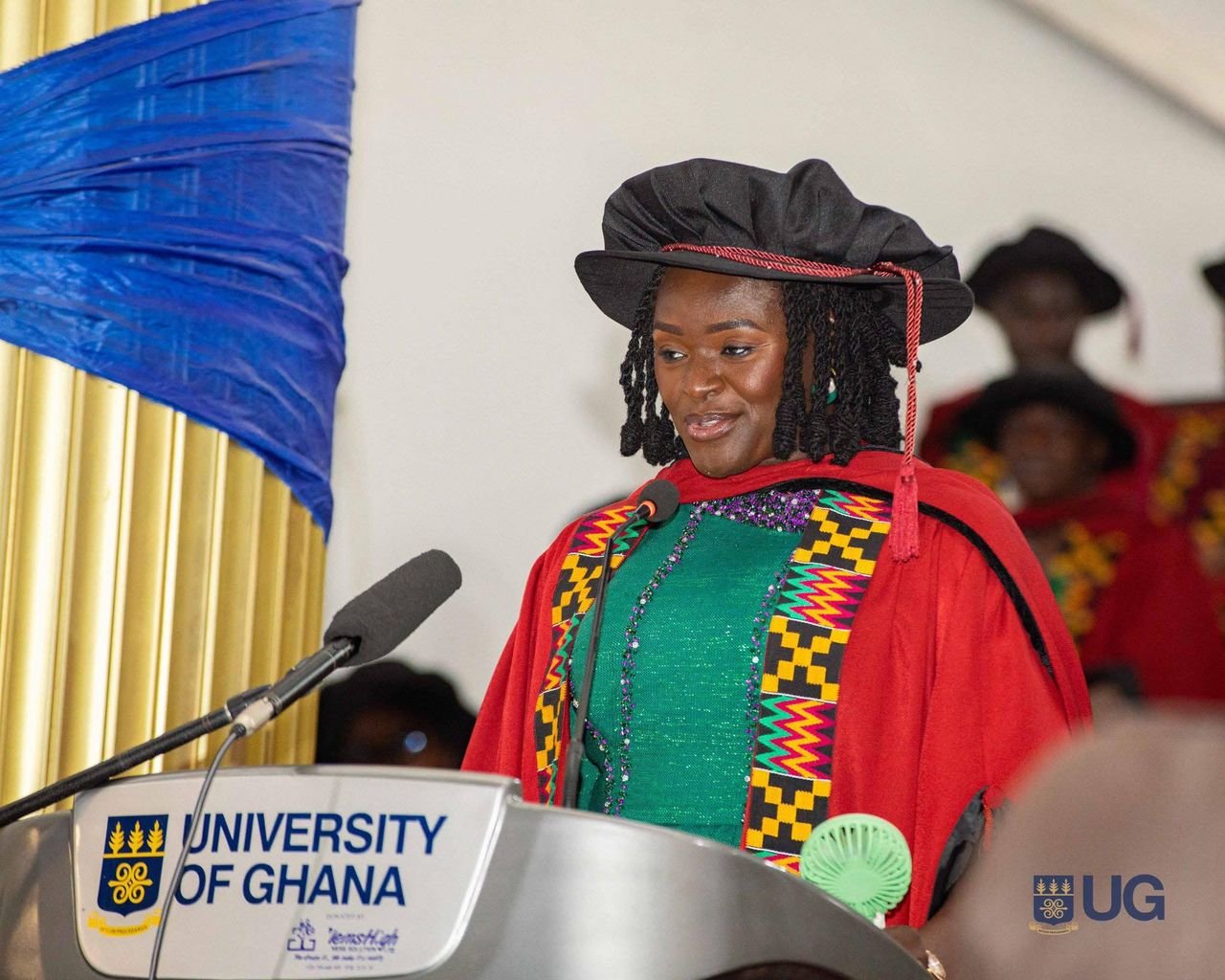
The Chief Executive Officer of the Environmental Protection Authority and former head of the Physics department at the University of Ghana, Prof. Nana Ama Browne Klutse, has called for strong political will in addressing climate change. Speaking at her inaugural lecture at the University of Ghana on March 27, 2025, she emphasized the need for decisive action and policy commitments to tackle the worsening climate crisis.
The lecture, themed: Physics, Policy and Politics of Climate Change: The Foundation of Human Survival, highlighted the interconnectedness of physics and social policies towards the achievement of our climate goals. “The politics of climate change plays a crucial role in shaping the ambition and implementation of climate policies worldwide. Madam Chair, my lecture examines how scientific knowledge informs policy decisions, the challenges of translating climate science into effective policies, and the political landscape influencing climate action”, she explained. “The interconnectedness of these three dimensions underscores the urgent need for political will to tackle the climate crisis.” She added.
Prof. Klutse highlighted the importance of understanding climate science, stating that every individual has contributed to global warming in one way or another. She stressed that climate change is not just an environmental issue but has significant implications for the economy, mental health, and social well-being. She revealed that Africa lacks sufficient expertise in climate science and called for investments in research, education, and training to build local capacity.
On environmental degradation, she condemned the pollution of water bodies due to illegal mining, warning that it poses a severe threat to ecosystems and livelihoods. She also raised concerns about coastal erosion, revealing that at least two million people could be displaced by 2030.
Addressing the rising sea levels, Prof. Klutse warned that Ghana’s coastal settlements are at risk of submergence and urged policymakers to prioritize coastal protection measures. She cited ongoing coastal erosion in Agavedzi, Solakope, and Amutino, calling for urgent intervention to protect affected communities, and thus called for the construction of sea defense systems to protect homes and infrastructure in vulnerable areas.
On health, she warned of the potential emergence of ancient pathogens due to thawing permafrost, a consequence of global warming. She cautioned that this could lead to the spread of new viruses, increasing the risk of global pandemics. She urged authorities to strengthen health surveillance and preparedness measures to mitigate these risks.
Regarding agriculture, Prof. Klutse noted that climate change is severely affecting crop yields and food security. She emphasized the need for global attention and investment in climate-smart agricultural practices. She urged governments to take proactive measures rather than merely adapting to climate impacts.
She further stated that with adaptation alone, Ghana remains heavily impacted by climate change and stressed the need for swift action. She warned of severe flooding this year, urging Ghanaians to avoid building on waterways and calling for stricter enforcement of environmental regulations.
Prof. Klutse also underscored the importance of hard work and teamwork in addressing climate challenges. She expressed gratitude to former President John Dramani Mahama for appointing her as the CEO of the EPA, acknowledging the trust placed in her leadership.
The Vice Chancellor of the University of Ghana, Professor Nana Aba Appiah Amfo, praised Prof. Klutse for her remarkable journey and contributions to climate science. She reaffirmed the university’s commitment to continued collaboration with her, even in her new role at the Environmental Protection Agency.
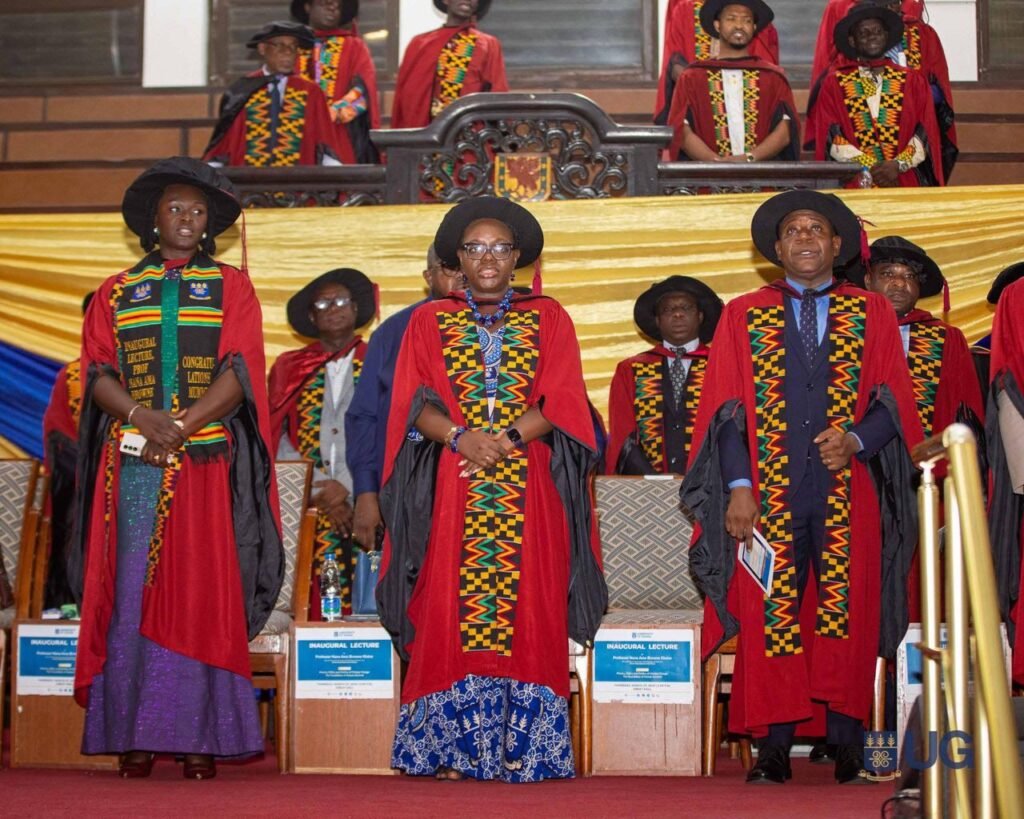
The inaugural lecture, held at the great hall of the University of Ghana brought together academic experts, traditional and political leaders, students, climate experts, among others. The event, which marked her formal entry into full professorship, served as a platform for key discussions on climate change and its impact on Ghana. Addressing the media after the lecture, Prof Klutse also warned of severe flooding expected this year, urging Ghanaians to be cautious and take necessary precautions by avoiding settlements in waterways. She noting that Ghana must intensify steps to establishing an adaptation plan to thrive in these challenging conditions.
As Ghana faces increasing climate-related challenges, the call for proactive measures remains critical. Authorities, policymakers, and citizens must work together to strengthen resilience against climate change and its devastating effects.


