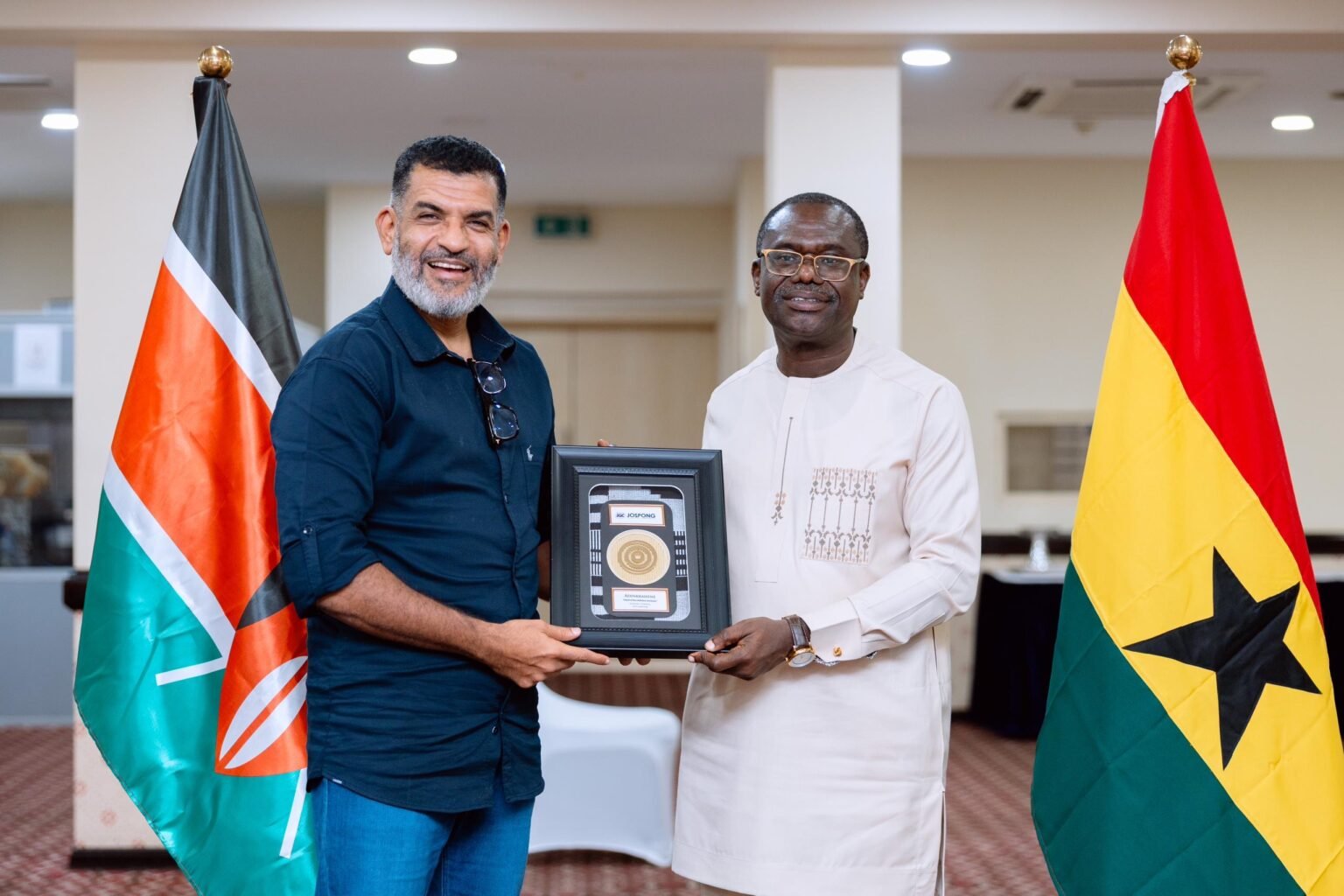
Kenya’s Mombasa County is exploring a strategic partnership with Ghana’s Jospong Group of Companies to replicate its waste management blueprint and transform sanitation practices in the East African nation.
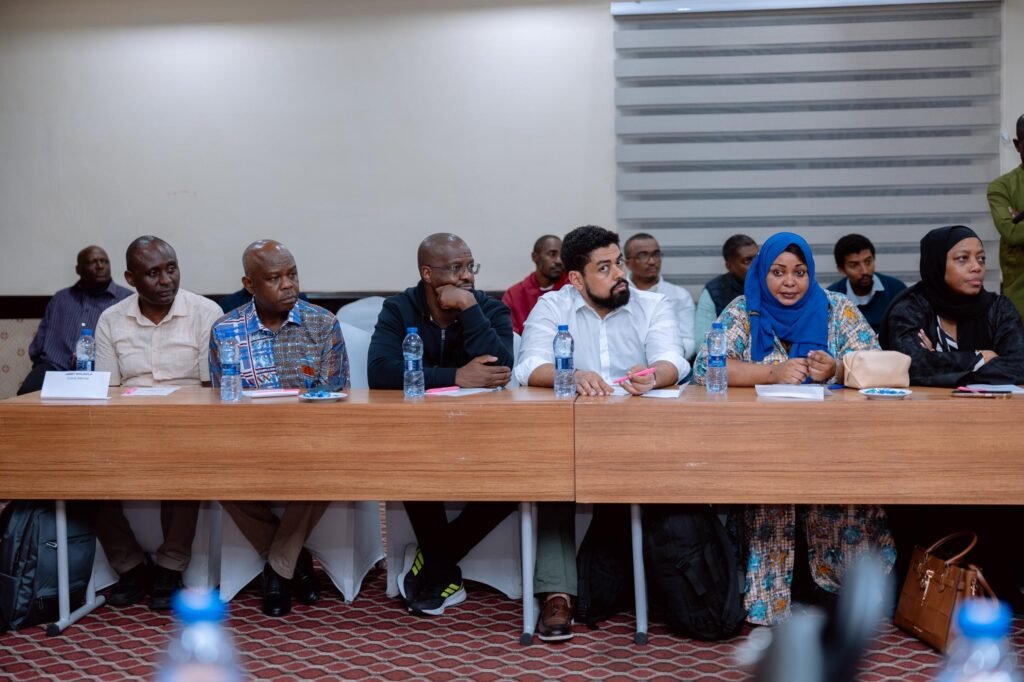
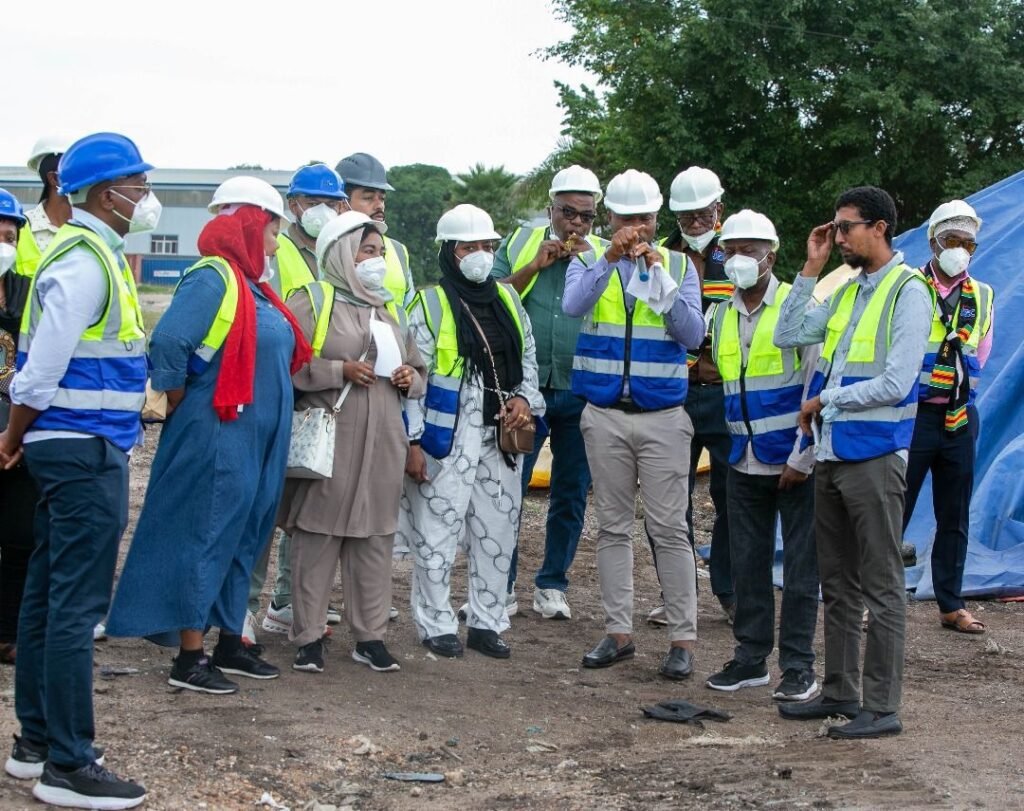
A 26-member delegation led by the Governor of Mombasa, H.E. Abdullswamad Sherrif Nassir, paid a four-day working visit (July 29 – August 1, 2025) to Zoomlion Ghana Limited and other subsidiaries of the Jospong Group. The delegation included Kenyan Members of Parliament, technical experts, and administrative staff, all seeking firsthand insight into Jospong’s innovative waste management systems.
Their visit follows an earlier working trip by the Executive Chairman of Jospong Group, Dr. Joseph Siaw Agyepong, to Kenya in July, where he promoted Pan-African collaboration on environmental solutions.
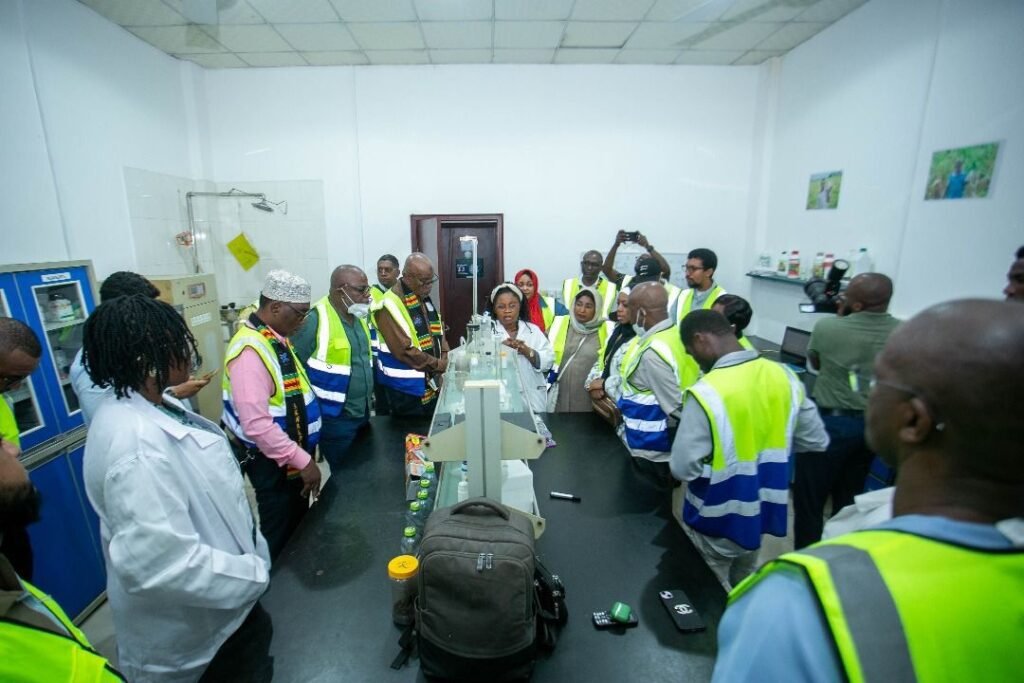
Touring several high-tech facilities; including the Accra and Kumasi Compost and Recycling Plants, the Kpone Landfill Site, the Universal Plastic Product and Recycling Plant, and medical and wastewater treatment plants; the Kenyan delegation expressed admiration for the level of innovation, environmental sustainability, and job creation driven by the Jospong waste management model.
Governor Nassir emphasized that Mombasa County, plagued by long-standing challenges in solid waste, sewerage, and medical waste disposal, is determined to implement a modern, decentralized waste system.
“We’re dividing Mombasa into 600 units and employing youth to handle waste collection. This decentralization will prevent the rise of cartels and ensure accountability. What Jospong has built is transformational, and we’re ready to adapt this model,” he said.
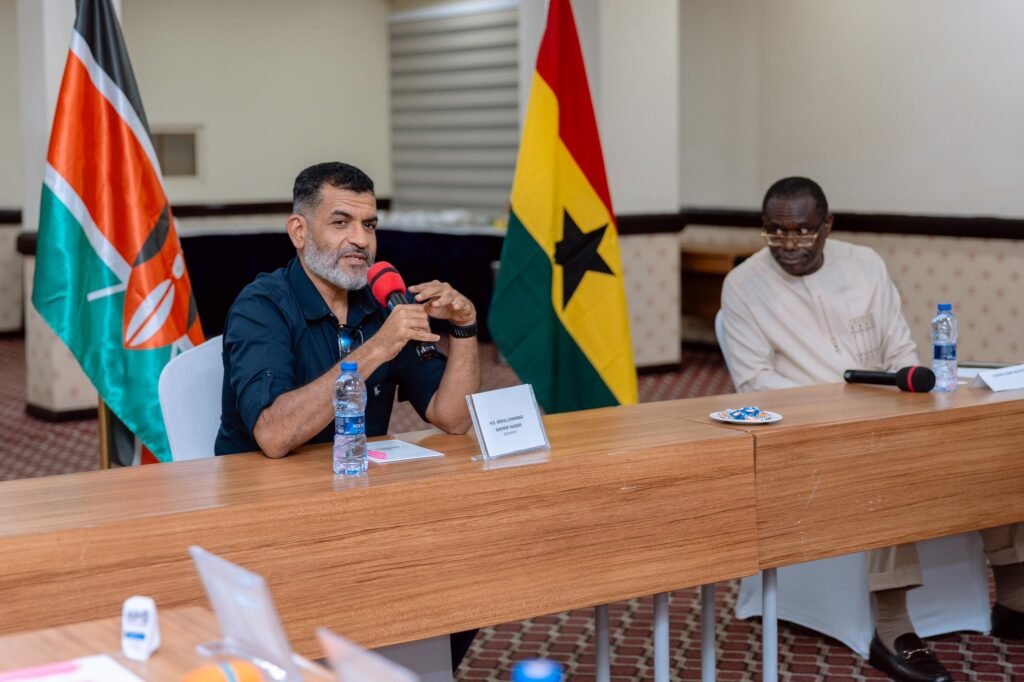
He thanked Dr. Agyepong for his support and commitment to partner with Mombasa, especially ahead of Kenya’s upcoming devolution conference.
Dr. Agyepong affirmed Jospong Group’s readiness to support the implementation of a similar waste system in Kenya.
“We believe in collaborative partnerships and building local capacity. Our team will work with Mombasa County to conduct feasibility studies and ensure the timely delivery of this vision,” he said, promising the establishment of a training program to transfer knowledge and ensure sustainability.
Senator Mohamed Faki Mwinyihaj, who was part of the delegation, echoed the need to replicate Jospong’s model across Kenya. “This is a powerful example of how waste can be turned into opportunity. It’s impressive and inspiring.”
Chairperson of the Mombasa County Public Service Board, Farida Abdallah, also praised the model for its youth employment potential. “We can replicate this in Kenya to solve our waste issues while creating thousands of jobs.”
Kenya’s Minister for Blue Economy, Agriculture, and Livestock in Mombasa County expressed similar enthusiasm, saying, “Jospong’s model is adaptable to our context and offers us a long-term, scalable solution.”
The partnership reflects growing interest across Africa in replicating successful local solutions to shared challenges. Jospong’s waste management ecosystem has earned recognition for combining green technologies, public-private partnerships, and social impact.
The visit by the Mombasa delegation follows an earlier one in July by officials from Kenya’s Ministry of Environment and the National Environment Management Authority (NEMA), signaling Kenya’s strategic shift toward innovative and sustainable sanitation solutions.
As both parties deepen engagements, the Ghana-Kenya collaboration may soon become a model of South-South cooperation; one that turns Africa’s waste crisis into a green economic opportunity.
Source: Starrfm.com.gh