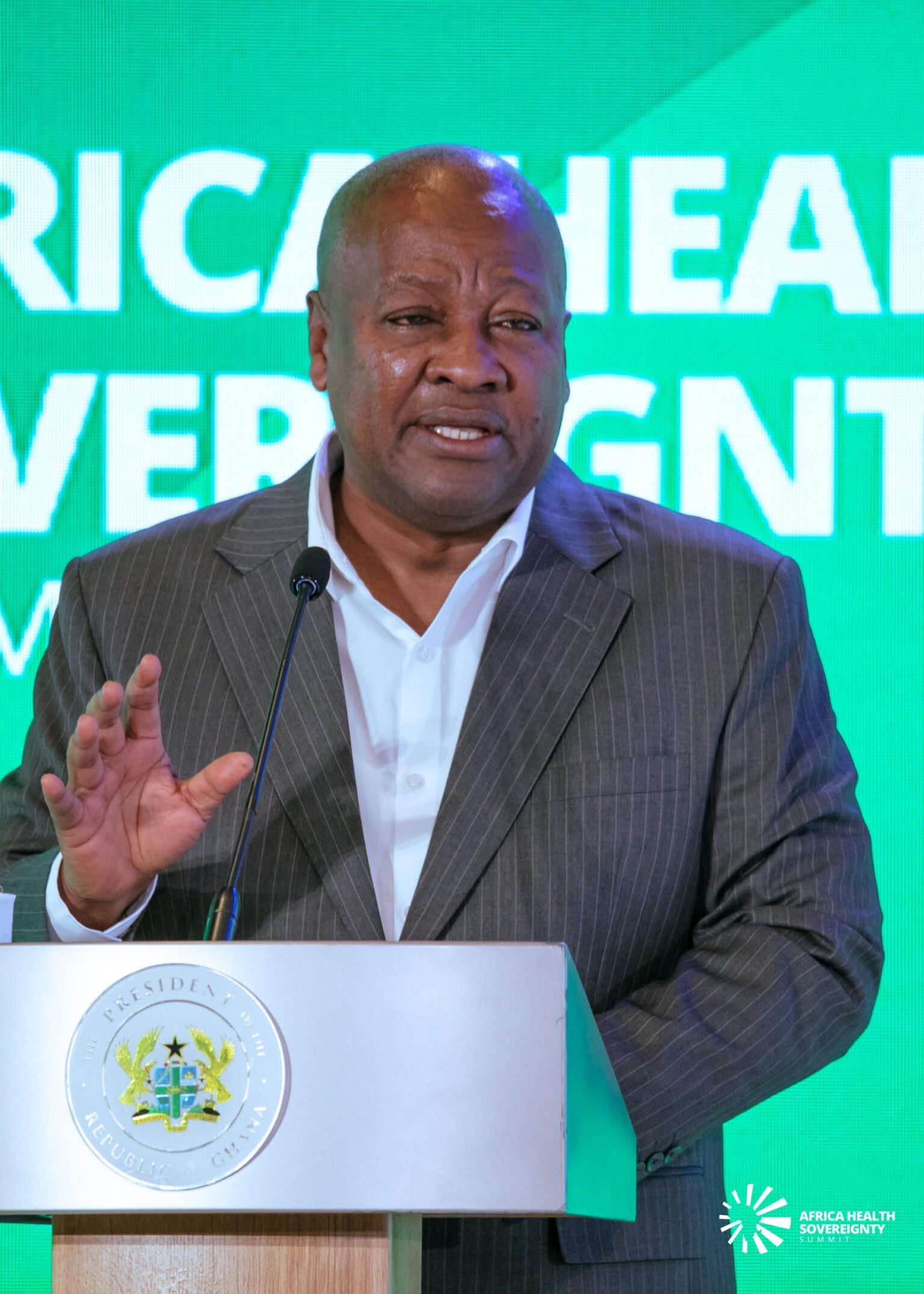
The government of Ghana has reaffirmed its commitment to global health reforms with the launch of the Accra Initiative, a high-level agenda calling for a reimagined global health governance system that empowers nations to build resilient and self-sustaining health responses.
The two-day health summit, hosted in Accra, brought together global leaders, policymakers, and development partners who highlighted the urgent need to address gaps in the current global health architecture, including funding shortfalls, fragmented leadership, and inequities disproportionately affecting the world’s poorest and most vulnerable populations.
In a declaration, participants emphasized the need to reposition health as a central driver of economic growth and innovation. According to the communique, the new framework treats health as a foundational sector that strengthens labour productivity, catalyzes biotechnology and pharmaceutical value chains, and drives wider economic transformation through logistics, diagnostics, and industrial infrastructure.
Key principles endorsed under the initiative include:
• Improving continental leadership, national accountability, and institutional resilience.
• Ensuring equity, transparency, and inclusive participation in decision-making.
• Securing diversified, sustainable financing from domestic, regional, and private sources.
• Positioning health as a productivity and innovation driver in Africa’s economic policies.
• Embedding Africa-led standards, data sovereignty, and trade integration.
The summit also launched the SUSTAIN Initiative, a framework designed to promote country-owned, investment-driven, and sustainable health systems. It seeks to bridge the funding gap from declining external aid by mobilizing domestic resources and engaging private sector investments.
Spokesperson to the President, Felix Kwakye Ofosu, in a statement said the Accra Initiative marks a pivotal step toward securing a healthier, more equitable future, while also contributing to broader reforms in multilateralism, global cooperation, and sustainable development.
The initiative is expected to serve as both a roadmap for national implementation and a reference point for international discussions on building a post-aid world order that is resilient, inclusive, and economically empowering.
Source: Starrfm.com.gh