


By: Alice Aryeetey/Starrfm.com.gh
At the world’s biggest meeting on reproductive health, the International Conference on Family Planning (ICFP) in Bogotá, Colombia, one voice stood out. It was the voice of Laura Ximena Gonzalez Varela, a 26-year-old Colombian woman living with Down syndrome.
Laura is an aspiring journalist and advocate who is showing that disability is not a barrier, but a different way of seeing and leading.
“I am a manager and multiplier of sexual and reproductive rights, which is the central theme of this congress,” Laura said during our interview, speaking with passion and confidence.

At 26, Laura has already achieved a lot. She joined Profamilia, a nonprofit organization in Colombia that has promoted sexual and reproductive health since 1965. She wanted to learn more about topics that many people avoid talking about, especially when it comes to people with disabilities.
Her interest started with simple curiosity. She wanted to understand her own sexuality and experiences as someone living with Down syndrome. But that curiosity grew into a bigger mission. “I became interested in this topic because I wanted to know more, logically, and obviously, connections and friends are very happy to relate to this topic,” she said.
Profamilia helped her along the way. Working with groups like ASDOWN Colombia, it created training programs for people with intellectual and psychosocial disabilities. These programs use simple guides and activities to teach about decision-making, contraception, and abortion. More than 200 young people have joined, learning to speak up for their rights.
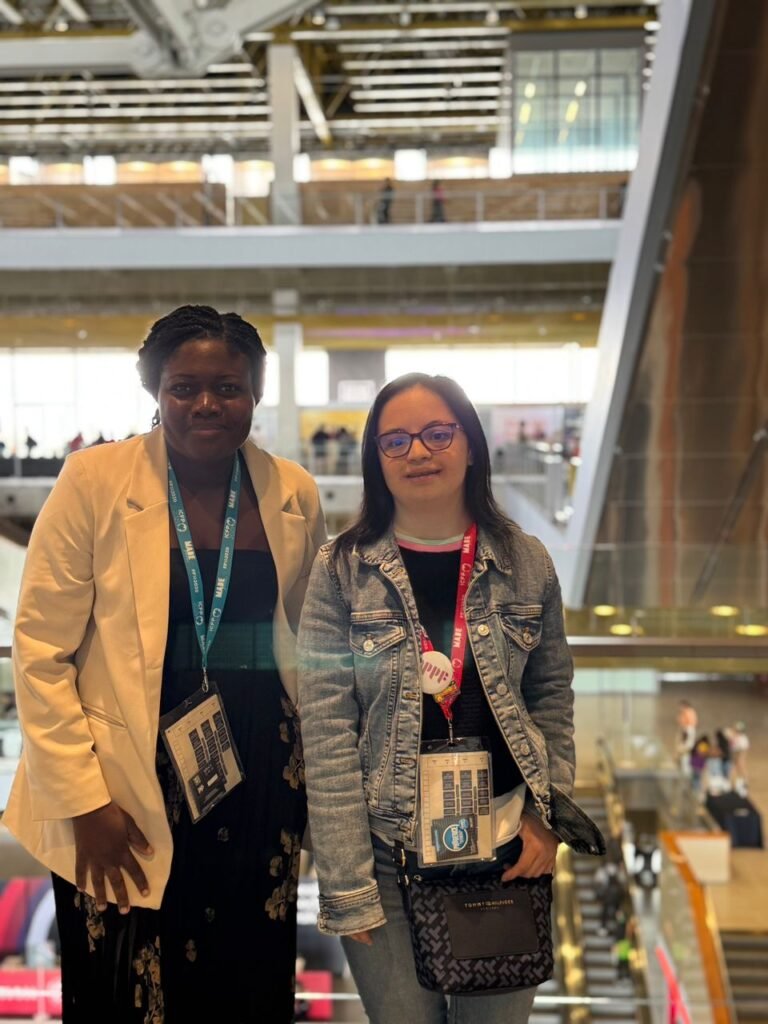
“This issue of reproductive rights has led to many things being done, both nationally and internationally,” Laura said.
Laura’s journey has not been easy. Many people wrongly believe that people with disabilities cannot succeed. But she proved them wrong. After four years of hard work, she graduated from university. “It wasn’t an impediment to getting ahead; on the contrary,” she said.
Today, Laura works as a journalist covering sexual and reproductive health. She is also an activist and member of the Youth Network for Sexual and Reproductive Rights. She has attended conferences at home and abroad, sharing her experiences and fighting stigma.
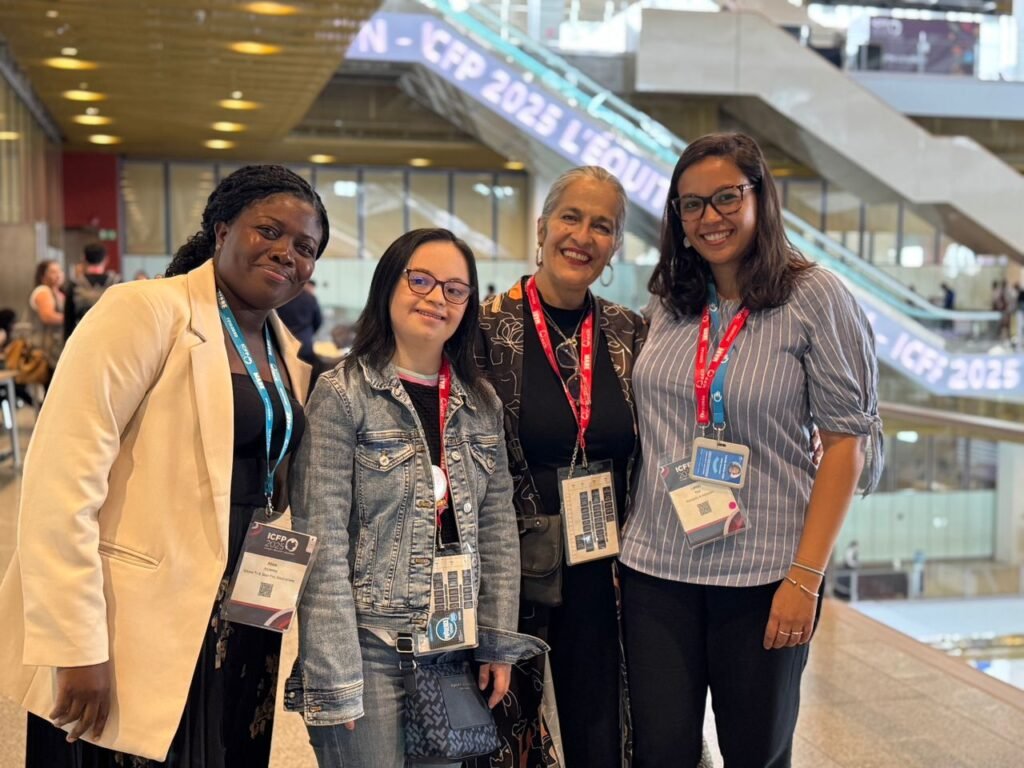
“We may have limitations, but we are not incapable of being part of the Youth Network for Sexual and Reproductive Health and Rights,” she said.
Profamilia has trained workers in over 50 clinics across Colombia to treat people equally and address problems like gender-based violence and stigma in healthcare. Laura’s work supports these efforts and gives a voice to women with disabilities, who often face greater risks of sexual abuse.
At the ICFP, Laura reminded everyone that inclusion is key to real progress. Her work is part of a bigger movement that led to Colombia’s decision to decriminalize abortion up to 24 weeks and improve access to services for vulnerable people.
Laura Varela is not just living her life but also changing lives. Through her voice and courage, she shows the world that equality begins when every person, no matter their ability, is listened to and respected.


