The Ghana Union of Traders Association (GUTA) has called for a collaborative approach to the Finance Ministry’s recent land transit restrictions, emphasizing the need to balance revenue protection with the livelihoods of legitimate traders.
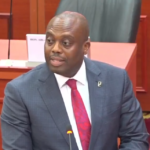
Benjamin Yeboah, Welfare Officer for GUTA, speaking on Morning Starr with Naa Dedei Tettey stressed that blanket enforcement of the ban could disrupt cross-border trade.
“The way to pay, why they have to pay, and then get their goods into the system to sell… we need to ensure that genuine traders are not penalized,” he said.
The discussion comes after Finance Minister Dr. Casseil Ato Forson directed the Ghana Revenue Authority to ban the land transit of key goods, including rice, sugar, cooking oil, frozen foods, textiles, flour, canned tomatoes, pasta, and pharmaceuticals.
The move, according to the ministry, aims to close revenue leakages, strengthen border controls, and streamline customs operations through the recentralization of the Customs Technical Services Bureau.
Yeboah urged that associations like GUTA, freight forwarders, and other stakeholders be included in consultations to prevent unintended consequences.
He warned that if exceptions are not made for legitimate traders, there is a risk that smuggling through unapproved routes could increase.
“We have to look at these issues well, or smaller business people may be forced into practices we are trying to avoid,” he said.
He concluded by emphasizing the importance of dialogue and coordination with the GRA to ensure that government measures protect revenue without disrupting legitimate trade.
Source: Starrfm.com.gh