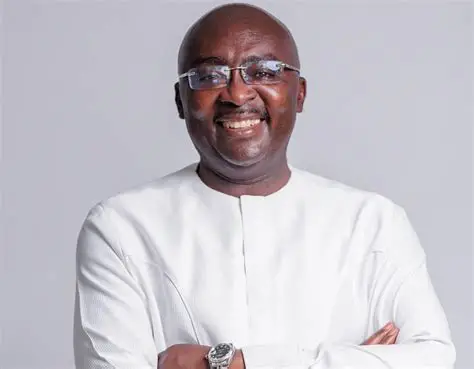
New Patriotic Party (NPP) flagbearer Dr. Mahamudu Bawumia has called on political parties in Ghana to commit to long-term national development plans, warning against the practice of abandoning projects whenever a new government takes office.
He said Ghana must adopt a development planning approach that allows successive administrations to continue and complete major projects, irrespective of political differences.
Dr. Bawumia made the proposal after a series of engagements with Japanese development and engineering institutions, including the Japan International Cooperation Agency (JICA), Nippon Koei, CTI Engineering and Oriental Consultants Global.
The discussions focused on disaster risk reduction, coastal erosion, flood mitigation, transport planning and the development of masterplans for cities.
Reflecting on the engagements, he said Japan’s approach to long-term planning offered important lessons for Ghana, particularly its ability to build consensus around development priorities and sustain implementation across successive governments.
“Japan takes the long view. They build consensus around a plan and then commit to executing it over 30 years,” he said.
According to Dr. Bawumia, the approach reduces the likelihood of incoming governments abandoning projects started by their predecessors.
“There is therefore little risk of a new government coming in and abandoning the work of the previous government,” he said.
“That is a major difference between Japan and Ghana,” he added.
He argued that Ghana must move away from development planning that is vulnerable to changes in political leadership and instead establish national masterplans that all political parties are willing to support.
Dr. Bawumia specifically identified coastal erosion, flood control and public transport as areas requiring long-term planning and political commitment.
“Let us have agreed masterplans in areas such as coastal erosion, flood control, and public transport – and let all political parties sign up to them,” he proposed.
He stressed that such agreements should remain binding in practice regardless of which party wins political power.
“So that no matter who forms the government, the plan will be executed until it is completed,” he added.
The proposal comes as Ghana continues to grapple with development challenges such as coastal erosion, recurrent flooding and pressure on urban transport systems, which require sustained investment and coordination beyond individual electoral cycles.