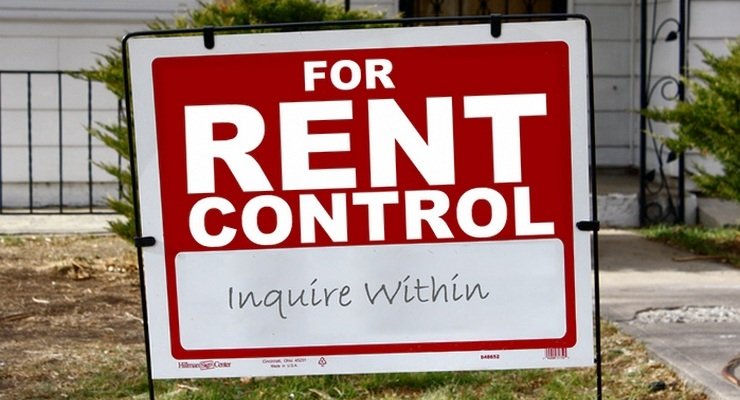
The acting Rent Commissioner, Frederick Opoku has strongly criticised the Bank of Ghana for what he describes as a refusal to collaborate with the Rent Control Department in tackling the widespread practice of landlords quoting and collecting rents in US dollars.
Speaking on Morning Starr on Thursday, 20th August, 2026, Mr Opoku said the central bank has failed to respond to formal proposals from his department aimed at curbing the practice, which he argues is illegal and is driving up the cost of housing for ordinary Ghanaians.
“It’s a bit frustrating,” he said. “When I took office… I went to Bank of Ghana… that look, the way people are charging dollars is not good. Let’s come and work together… Have they responded back? Have they?” he quized.
He also accused the Bank of Ghana of issuing directives against the use of foreign currency for domestic transactions that are widely ignored because they are not enforced.
“Today, you see a Governor of Bank of Ghana issue directives, nobody mind him, and people are charging dollars,” Mr Opoku stated.
The Acting Commissioner stressed that effective regulation of the rental market requires inter-agency cooperation.
He cited a recent successful partnership with the Ghana Tourism Authority that led to the closure of five substandard facilities as an example of what is possible when state institutions work together.
“Institutions ought to work together,” he said. “I’m calling their name today. Bank of Ghana. Go and ask Bank of Ghana…I went with the Rent Control team, sent a proposal that people are complaining about dollars. It is even a problem to the economy,” he stated.
Mr Opoku warned that without decisive joint action, ordinary citizens will continue to bear the burden of high rent charges denominated in dollars.
He expressed open frustration at the lack of response from the central bank, insisting he would not “hide anything” about the issue.
The Rent Control Department has long maintained that quoting rents in foreign currency violates Ghanaian law, yet the practice remains common, particularly in urban centres.
Source: Starrfm.com.gh