Climate experts are raising alarm over the growing impact of extreme heat in Ghana, warning that women and children are particularly vulnerable if immediate mitigation measures are not implemented.
The caution follows new research conducted in selected communities in Accra by Sustainable Solutions Africa (SSA) in collaboration with a team of researchers from the University of Energy and Natural Resources (UENR) under the Pan-African and Transdisciplinary Lens on the Margins: Tackling the Risks of Extreme Events (PALM-TREEs) Project.
The PALM-TREEs initiative seeks to co-produce climate information and policy responses that prioritise the needs of marginalised populations and amplify their voices in climate governance. However, findings from the Accra-based study indicate that many women are already bearing the brunt of extreme heat stress, with significant implications for their health, productivity and livelihoods.
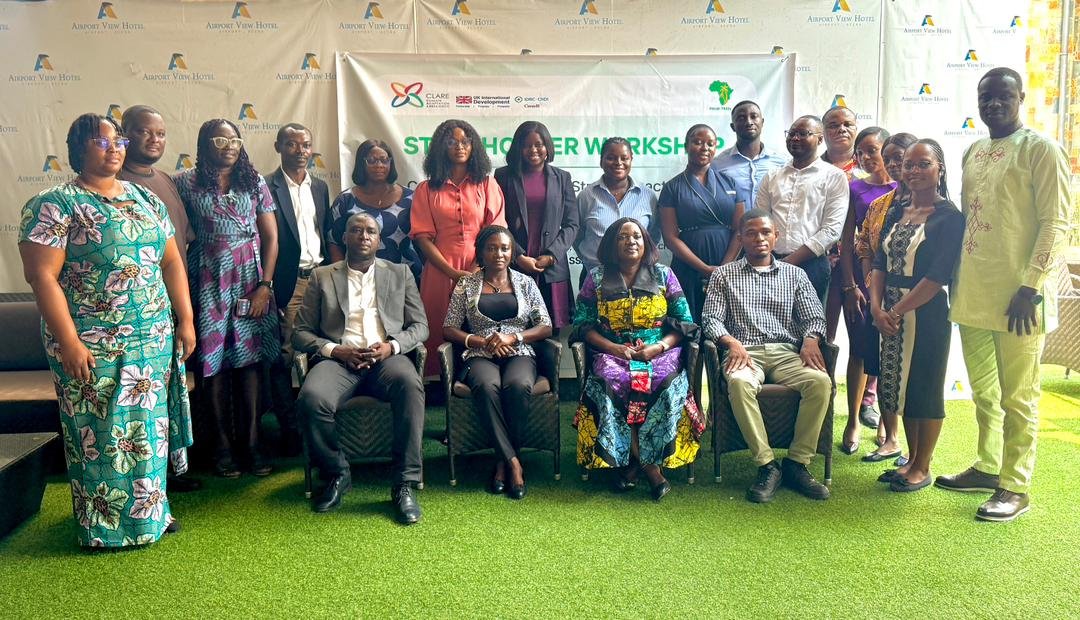
Speaking on day one of a two day stakeholder workshop in Accra on Co-creating Extreme Heat Stress Impact Metrics to Strengthen Women’s Livelihood Resilience, Senior Lecturer at UENR’s Department of Atmospheric and Climate Sciences, Dr. Naomi Kumi, underscored the severity of the situation. She noted that extreme heat stress is more prevalent than many realise and requires urgent, data-driven interventions.
Head of Project Development at Sustainable Solutions Africa, Dr. Elidaa Daku, highlighted the importance of the research, stressing that developing context-specific heat stress impact metrics is critical to designing effective adaptation strategies for vulnerable communities.
Director of Gender at the National Disaster Management Organisation (NADMO), Roselyn Thelma Graham, commended the research team for shedding light on the issue but urged them to broaden the scope of the study beyond Accra to capture the realities of women in other regions of the country.
On the second day of the workshop, women whose shops were fitted with monitoring gadgets as part of the research shared firsthand accounts of the harsh working conditions they endure. They appealed to government and local authorities to intervene urgently, citing the direct impact of extreme heat on their health and daily earnings.
Assembly members present at the workshop echoed the concerns, stressing the need for immediate, practical measures to mitigate the effects of heat stress within communities.
The two-day engagement brought together representatives from government agencies, civil society organisations, academia and research institutions to deliberate on the findings and collaboratively develop practical heat stress indicators aimed at strengthening women’s resilience and safeguarding livelihoods in the face of rising temperatures.
Source: Joshua Kodjo Mensah/Starrfm.com.gh