Growing up in Zimbabwe, education was everything.
I witnessed families sacrifice meals so their children could stay in school. Tuition was paid before anything else and education was more than just about learning reading and arithmetic. It felt more like a responsibility, you were going to school to represent your family, your community, your future, in fact everyone’s future was in your hands.
As someone who grew up in a small farming town, the idea that one day I could be an Edtech entrepreneur, was beyond the realm of my imagination.
This all changed when an alumni from my high school, who had received a scholarship from MIT (Massachusetts Institute of Technology) came back and told us about how technology and entrepreneurship were changing the world. This single encounter would forever change the trajectory of my life.
Many young Africans are not failing because they lack talent. They are failing because they do not know the opportunities that exist. This I believe is the worst form of poverty, the lack of awareness of the options available oneself.
As I said in Episode 1 of Education: Transforming Lives, Transforming Africa:
“Most young people’s inability to succeed is not because they do not have ability. They simply do not know the options that exist for them and lack the confidence once they find those opportunities.”
That is Africa’s education challenge today.
Education Is a System. Not Just a School
Education is not just classrooms and textbooks. It is a complex machine connected to the economy, jobs, networks, and trust.
When I was young selling chickens in Zimbabwe during the economic turmoil of 2008, I would be selling at the market next to hardworking Bachelors and Masters degree holders. I had to ask myself: What is the right education? Are we equipped with the knowledge and confidence to create something in the world? We are still rewarding memorisation more than problem-solving. The more qualifications someone has, the more they signal to the market; however, this is no longer the case.
The world has changed.
Information is fluid. Networks are fluid. Trust is fluid. That is the future of education. It is borderless. Young people are armed and learning using the latest technology and tools that previous generations would have never dreamed of. Youths are learning from YouTube, coding from their phones, building businesses on WhatsApp, and collaborating across countries.
There is a paradigm shift, and our education systems must catch up.
Talent Is Everywhere. Exposure Is Not
At Shasha Network, we have realised that there is no shortage of ideas, discipline or courage. We are always moved by the urgency and initiative youths are taking to uplift their communities; however, they are doing all this with inadequate access to:
- Information
- Networks
- Confidence
A young person in rural Malawi may never hear about a scholarship in Ghana. A brilliant student in Kisumu may not know that cybersecurity is a career path that they have the tools and capabilities to pursue. A creative coder in Kigali may not know how to pitch to investors, or let alone where to find them?
This is why exposure matters.
We must show young people what is possible. Once we do that, everything else follows.
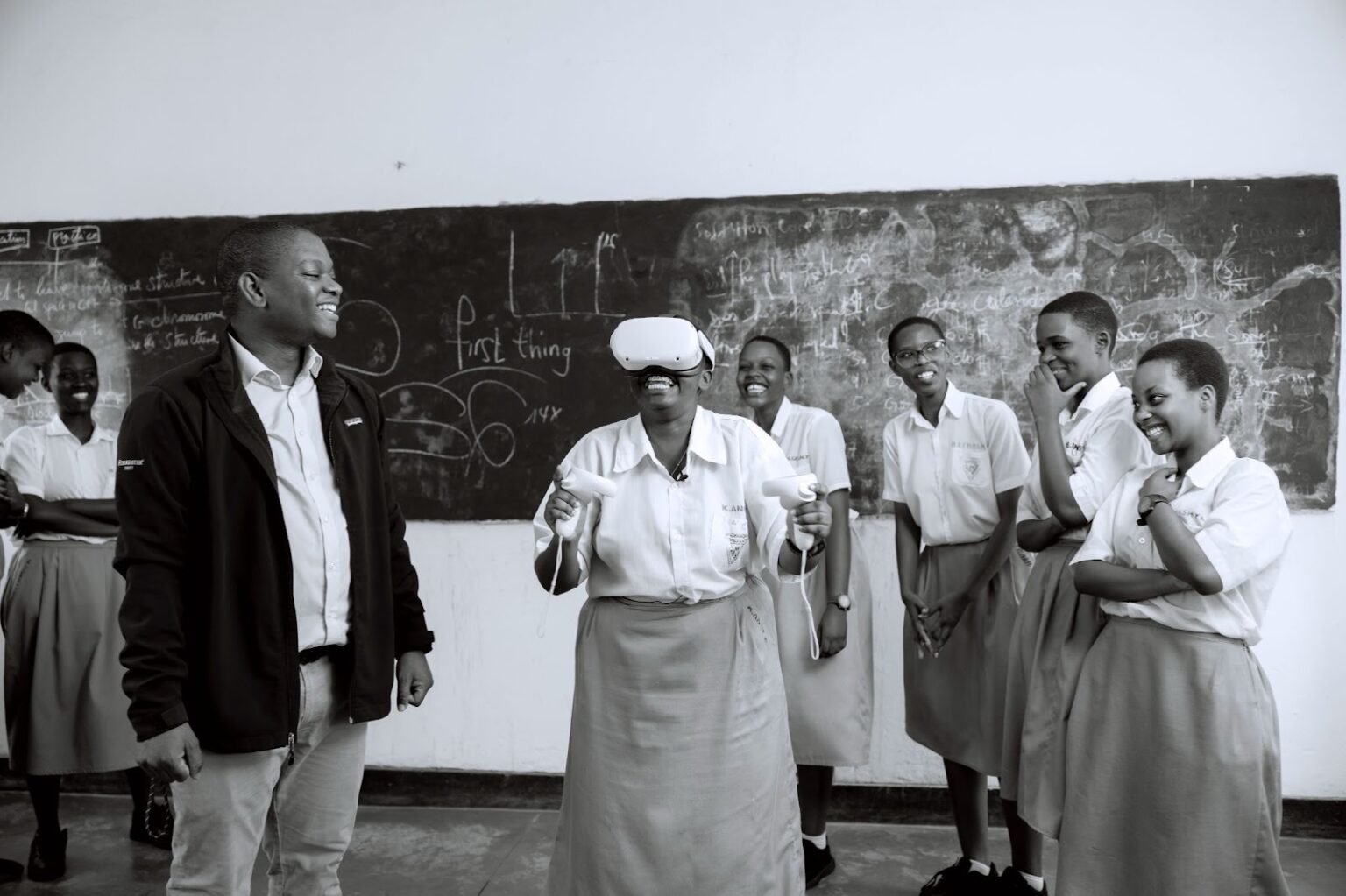
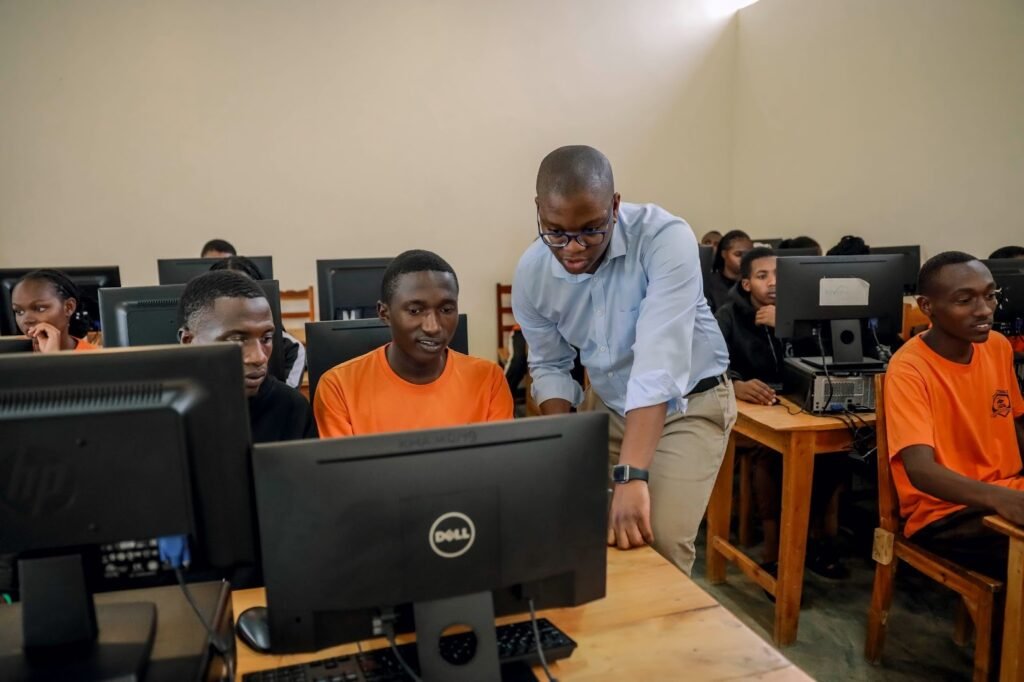
Education must expand horizons. This is what we are addressing with the Shasha Bridge platform. The goal is to connect young people to career development, soft skills, and opportunities online, so they can go into post-secondary life with full awareness and confidence of probable futures.
Because ability without awareness is wasted potential.
Education Must Connect to Work, By Design
Education and the economy are deeply intertwined. In Africa, where we have the fastest growing youth population in the world, we are churning graduates who mostly cannot find jobs. Our economies are not going fast enough to absorb all the human capital. This then creates a challenge for us to transfer the power to job creation into the hands of the young people themselves and focus on creating conducive environments for them to build, because they can. Students graduate having become “Pivot Ready,” meaning they can take on whatever life throws at them. They should learn:
- how to work in teams
- how to communicate
- how to solve real problems
- how to start businesses
- how to build and sustain relationships
Internships and entrepreneurship should be embedded into every high school or tertiary programme and career fairs should be a staple and not a once off occurrence. Youths have to grow up comfortable and exposed to career conversations.
Africa’s future workforce will need to have high levels of adaptability and learnability.
Mentorship Changes Everything
I would not be where I am today without mentors. Two entrepreneurs took me under their wings early in my journey. One flew me to Nairobi so I could learn everything about ed-tech. That experience taught me humility and learnability. Young people must be ready to learn. But institutions must also be ready to guide.
Mentorship is the bridge between education and opportunity. This is why programmes like those supported by the Mastercard Foundation matter. They create not just students, but leaders.
Partnerships Are Africa’s Only Way Forward
No organisation can solve education alone. We need governments, universities, startups, media, and foundations working together.
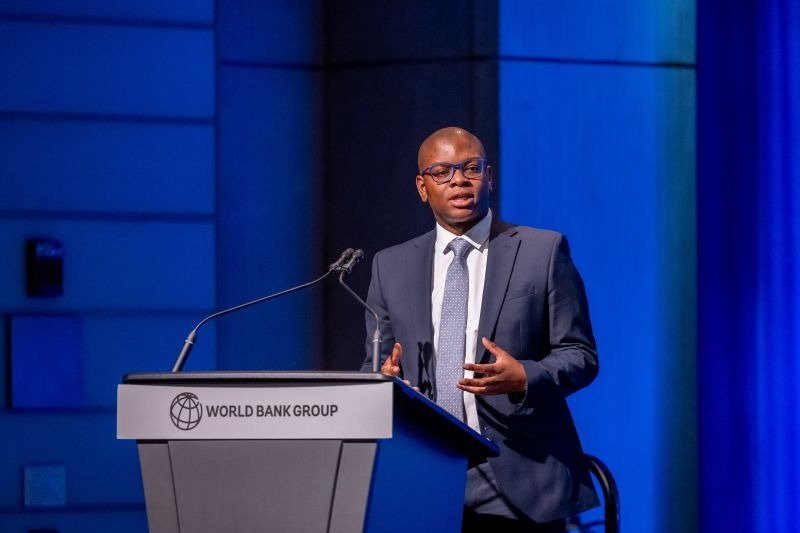
We need trust.
Because Africa’s future partnerships will be built on trust – trusting young entrepreneurs, trusting new ideas, trusting collaboration.
We must ask ourselves:
Will funders trust young innovators?
Will governments trust young builders?
Will institutions trust new models of education?
If the answer is yes, Africa will move faster than anyone expects.
Education Must Be Borderless
Africa’s problems are shared. Our education must be shared too.
A developer in Lagos should collaborate with one in Kigali.
A farmer in South Sudan should learn from one in Kenya.
A student in Dakar should access courses from Nairobi.
Technology has made this possible.
Our policies must allow it.
Our institutions must embrace it.
Because the future of education is not local. It is global and connected.
What Must Change Now
Starting of with these five ways:
- Teach problem-solving, not memorisation.
- Give students early exposure to careers and entrepreneurship.
- Build mentorship into every education pathway.
- Use technology to expand access to information and networks.
- Trust young Africans with responsibility and opportunity.
These changes are not expensive.
They require a mindset shift.
A Final Thought
Every time I meet a young African innovator, I am reminded of something simple.
Our continent does not lack talent.
It lacks bridges between talent and opportunity.
Education must be that bridge.
If we build education systems that expand horizons, connect students to work, and give them confidence, Africa will not just participate in the global economy.
Africa will lead it.
Because somewhere right now, in a classroom in Harare, Kigali, Nairobi, or Bamako, there is a young person with an idea that could change the continent.
Our responsibility is to make sure they know it is possible.
And then give them the tools to build it.
Farai Munjoma’s reflections draw from Episode 1 of Education: Transforming Lives, Transforming Africa; a nine-part documentary series by the Africa Leadership and Dialogue Institute, produced in partnership with the Mastercard Foundation and released as part of the Foundation’s 20th anniversary theme, Creating Impact Together, in which he is featured.
The series is now airing across NTV Kenya, NTV Uganda, CNBC Africa, , GHOne TV Ghana, RTS Senegal, EAMG TV, and on ALADI digital platforms, reaching audiences across the continent and encouraging dialogue on how education can unlock opportunity, strengthen pathways to dignified work, and enable young Africans to realise their full potential.
Click link to watch: (link to Mastercard Foundation website page dedicated to the docuseries)
Source: Starrfm.com.gh