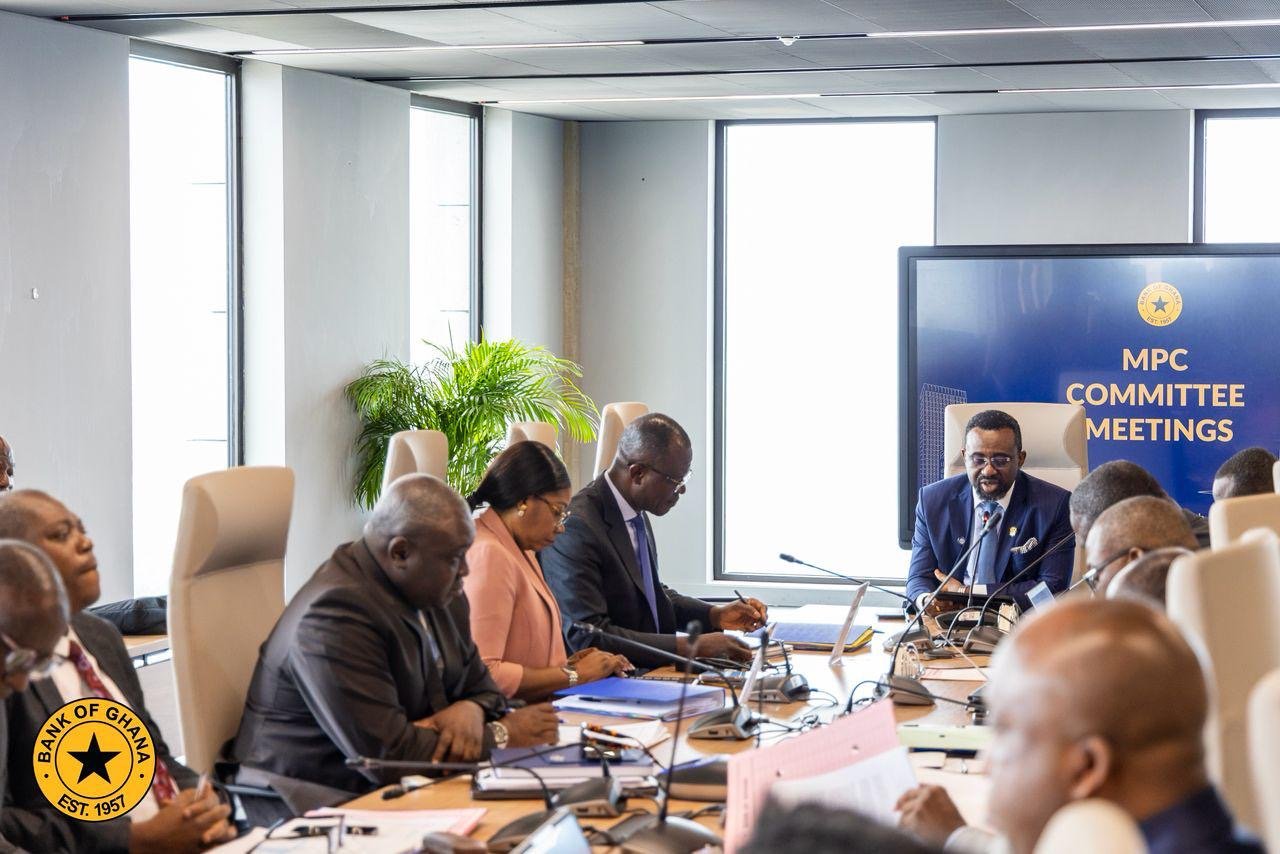
Ghana’s economic recovery is gathering strong momentum, with GDP growth accelerating to 6.3 percent in the second quarter of 2025, Governor of the Bank of Ghana, Dr. Johnson Pandit Asiama, has announced.
Delivering his opening remarks at the 126th Monetary Policy Committee (MPC) meeting in Accra on Monday, September 15, Dr. Asiama said the expansion was driven largely by the services and agriculture sectors, while non-oil GDP recorded an even higher growth of 7.8 percent.
According to him, provisional data and high-frequency indicators confirm the positive momentum. “The Bank’s Composite Index of Economic Activity was up 6.1 percent year-on-year in July, and recent PMI readings alongside our business and consumer surveys point to improving sentiment,” he noted.
On the inflation outlook, the Governor said headline inflation dropped further to 11.5 percent in August 2025, the lowest since October 2021. This, he explained, reflected a combination of a tight monetary stance, ongoing fiscal consolidation, and improved food supplies. Core inflation measures and expectations, he added, continue to re-anchor, giving confidence that disinflation will be sustained.
Ghana’s external position has also strengthened significantly. The country recorded a trade surplus of US$6.2 billion in the first eight months of the year, supported by robust gold exports and higher cocoa receipts. Gross international reserves reached US$10.7 billion in August, enough to cover about four and a half months of imports.
Despite some seasonal pressures and moderation in remittances, Dr. Asiama emphasized that the cedi remains one of the best-performing currencies in the world in 2025, appreciating by about 21 percent year-to-date. He said the strong performance of the local currency reflects prudent monetary policy, effective liquidity management, fiscal discipline, and increased foreign exchange inflows.
The banking sector, according to the Governor, remains resilient. The capital adequacy ratio (without reliefs) improved to 19.5 percent in July 2025, while non-performing loans (NPLs), though elevated at 21.7 percent, decline significantly to 8.4 percent when fully provisioned losses are excluded. He explained that recapitalisation efforts and strict underwriting standards continue to support sector stability.
On the fiscal front, Dr. Asiama noted that the government’s performance in the first half of the year signaled stronger consolidation. “The deficit on a commitment basis was contained at 0.7 percent of GDP, well below target,” he revealed. This development, together with cedi strength and external debt restructuring, contributed to a decline in the public debt ratio by mid-year.
Against this backdrop of easing inflation, anchored expectations, and stronger buffers, the MPC in July reduced the policy rate by 300 basis points to 25 percent. The Governor stressed that the Committee remains prepared to adjust its stance further as the disinflation process evolves, while closely monitoring potential risks such as global trade disruptions and utility tariff adjustments.
Dr. Asiama reiterated the Bank of Ghana’s mandate to maintain stability while fostering sustainable economic growth. “Our commitment remains firm: maintain price stability, safeguard financial stability, and create the conditions for inclusive, sustainable growth,” he assured stakeholders.
The Governor’s remarks signal cautious optimism as Ghana positions itself for stronger economic resilience amid ongoing global uncertainties, trade tensions, and geopolitical risks.
Source: Starrfm.com.gh