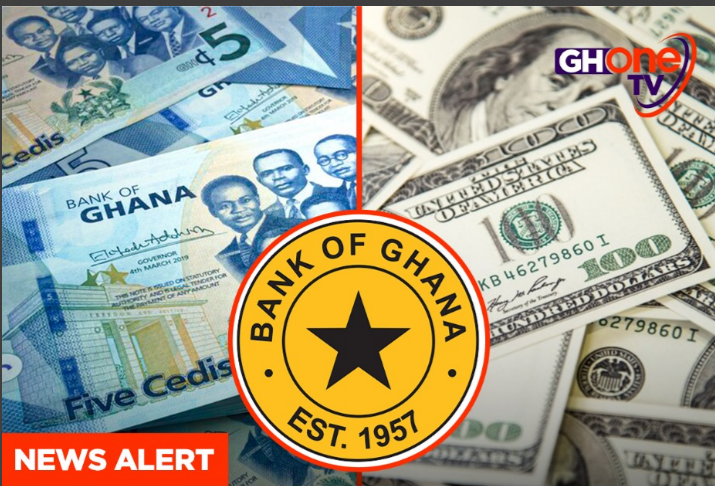
The Ghanaian cedi has shown renewed resilience, firming up at GH₵11.9 to the U.S. dollar after briefly weakening to nearly GH₵13 in recent weeks, according to the Bank of Ghana.
The currency’s slight slide was largely driven by seasonal import pressures ahead of the Christmas period and rising expectations of pre-election government spending.
In response, the Bank of Ghana has announced a $1.15 billion intervention to bolster foreign exchange liquidity and cushion the market against volatility.
Despite these short-term fluctuations, the cedi remains Africa’s top-performing currency for most of 2025, according to the World Bank’s latest Africa Pulse Report.
The report indicates that the currency has appreciated by more than 20 percent since January — the strongest performance across the continent.
The World Bank attributes the cedi’s gains to Ghana’s disciplined fiscal management, consistent monetary tightening, steady export earnings, and improved investor confidence following the country’s successful debt restructuring earlier this year.
Zambia’s kwacha ranked as the second-best performer, appreciating by about 16 percent on the back of enhanced debt management, lower fuel import costs, and a steadier dollar supply.
Meanwhile, currencies in Kenya, Tanzania, and Uganda also posted moderate gains, buoyed by export growth and a gradual return of foreign investment flows.
Analysts note that the cedi’s impressive turnaround underscores Ghana’s improving economic fundamentals after last year’s steep depreciation.
However, they warn that sustaining the currency’s strength will require strict fiscal discipline, continued export diversification, and consistent implementation of structural reforms.
The World Bank further highlights that broader African currency stability in 2025 has been supported by a weaker U.S. dollar, higher commodity prices, and relaxed global financial conditions — factors that have collectively eased inflation and boosted market confidence across the continent.
Source: Starrfm.com.gh