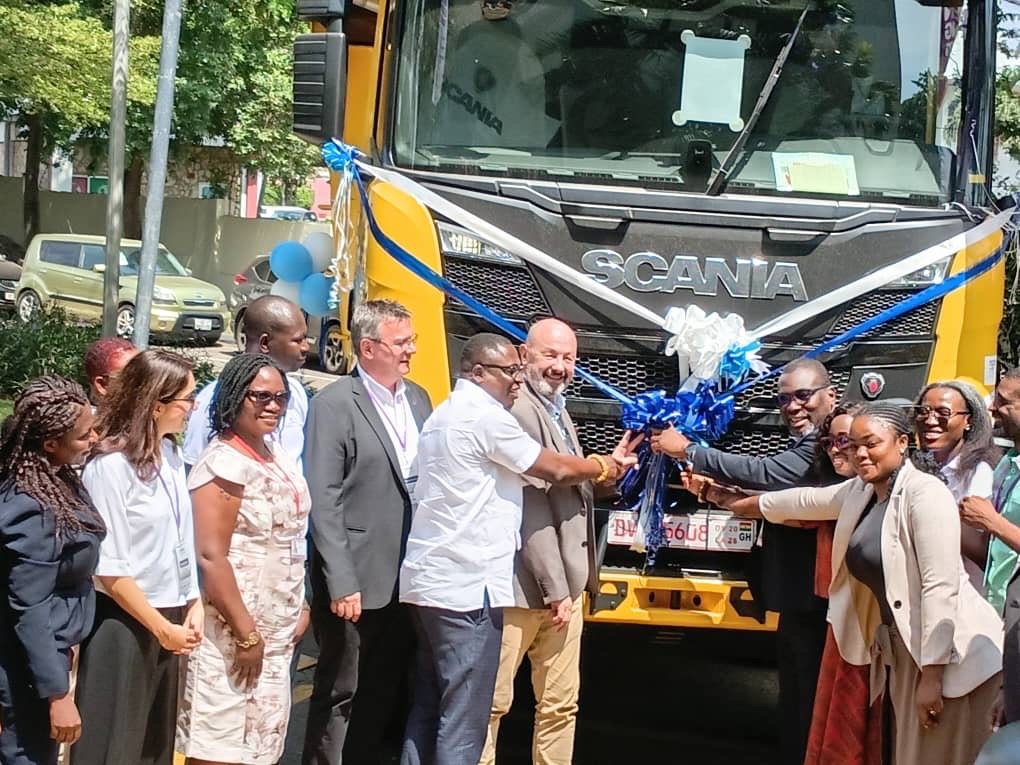
Women seeking careers in Ghana’s mining and heavy transport industries are set to benefit from a new skills development initiative, with the German Agency for International Cooperation (GIZ) preparing to train 200 women to improve their access to employment in the traditionally male-dominated sectors.
The programme is expected to equip participants with the technical competencies, practical experience and professional qualifications needed to pursue careers in mining and heavy transport operations.
Despite the growing demand for skilled workers in these industries, women remain significantly underrepresented, particularly in technical and operational roles, including professional heavy-duty truck driving.
The initiative seeks to bridge this gender gap by expanding access to specialised training and creating pathways for women to secure sustainable employment.
Speaking at the launch of the project, GIZ Country Director Sandra Retzer said the initiative forms part of broader efforts to promote gender inclusion and empower women to pursue opportunities in sectors traditionally dominated by men.
“This initiative is about creating opportunities for women to enter industries where they have traditionally been underrepresented. We want to ensure that women have access to the skills, qualifications and opportunities needed to compete and succeed.”
She stressed that the programme goes beyond technical training, highlighting the importance of connecting participants to actual employment opportunities.
“Training alone is not enough. We must ensure that the women who complete these programmes are connected to employers and have a clear pathway into decent and sustainable jobs.”
Ghana’s mining and transport industries depend on skilled workers, reliable logistics, operational discipline and high safety standards. However, women continue to face several barriers to entering and advancing in these sectors.
“Our partnership with Scania West Africa allows us to bring together development expertise and private-sector experience to deliver practical training that responds to the actual needs of industry.”
These include limited access to specialised training, stereotypes surrounding traditionally male-dominated occupations, inadequate professional networks, concerns about workplace conditions and a lack of clear pathways from training into employment.
Retzer said addressing these challenges would benefit both women and employers by expanding the pool of competent and skilled workers available to industry.
She also welcomed the partnership with Scania West Africa, describing it as an opportunity to combine development objectives with private-sector expertise and the practical demands of the heavy transport industry.
The project has set clear and measurable targets, including training and certifying 80 women as professional truck drivers. More importantly, it aims to ensure that participants secure decent employment as truck drivers by the end of the programme.
“One of our key objectives is to train and certify 80 women as professional truck drivers and support their transition into employment. We want to see these women not only graduate but also secure jobs and build sustainable careers.”
Retzer said connecting training institutions with industry and ensuring that skills development responds to labour market needs would be critical to achieving the project’s employment objectives.
She consequently urged mining companies, transport operators, logistics businesses and other relevant employers to actively engage with the initiative and provide opportunities for women who successfully complete the training.
“We must move beyond the perception that heavy-duty truck driving and other technical occupations are exclusively for men. Women have the ability to perform these roles, and this initiative will help demonstrate that.”
She expressed hope that the project would also help change societal perceptions of women in heavy-duty truck driving, encouraging recognition of their skills and contributions rather than treating them as exceptions in a traditionally male-dominated profession.
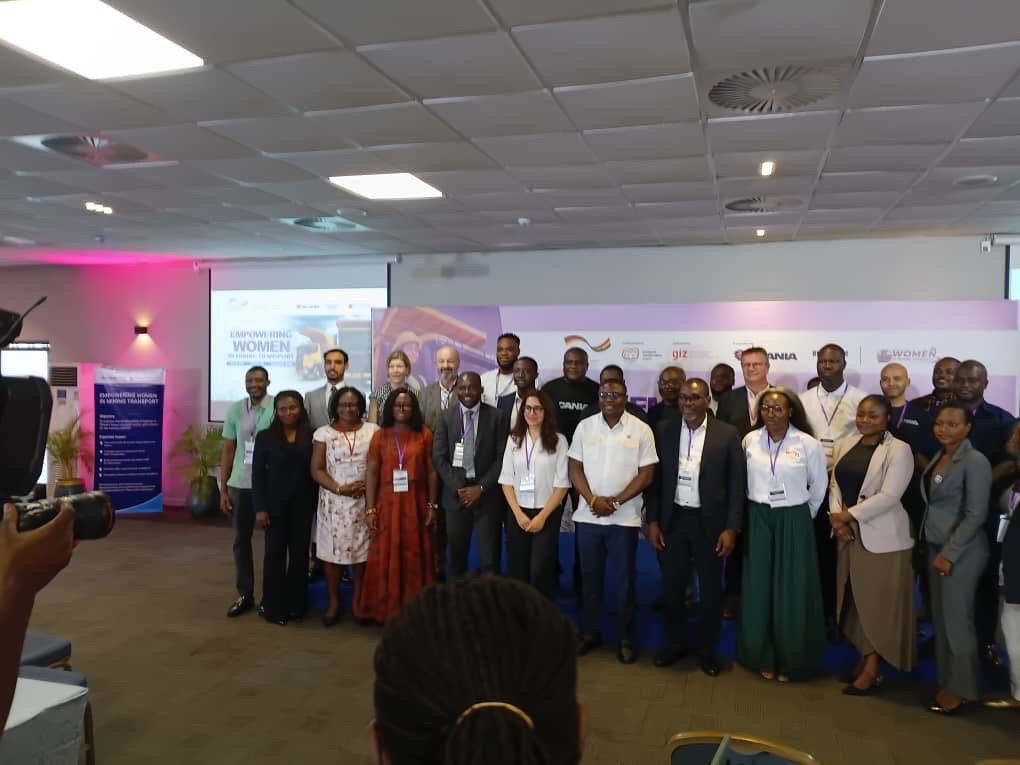
The initiative is expected to contribute to greater female participation in the mining and transport sectors while opening up new opportunities for women to build sustainable careers.
Story By Benjamin Sackey