


The founder of BR Institute, organisers of the Entrepreneurship with Bola Ray (EwBR) initiative, Nathan Kwabena Anokye Adisi, has urged young entrepreneurs to “go out there and take territories” as the third cohort of the program graduated in Accra.
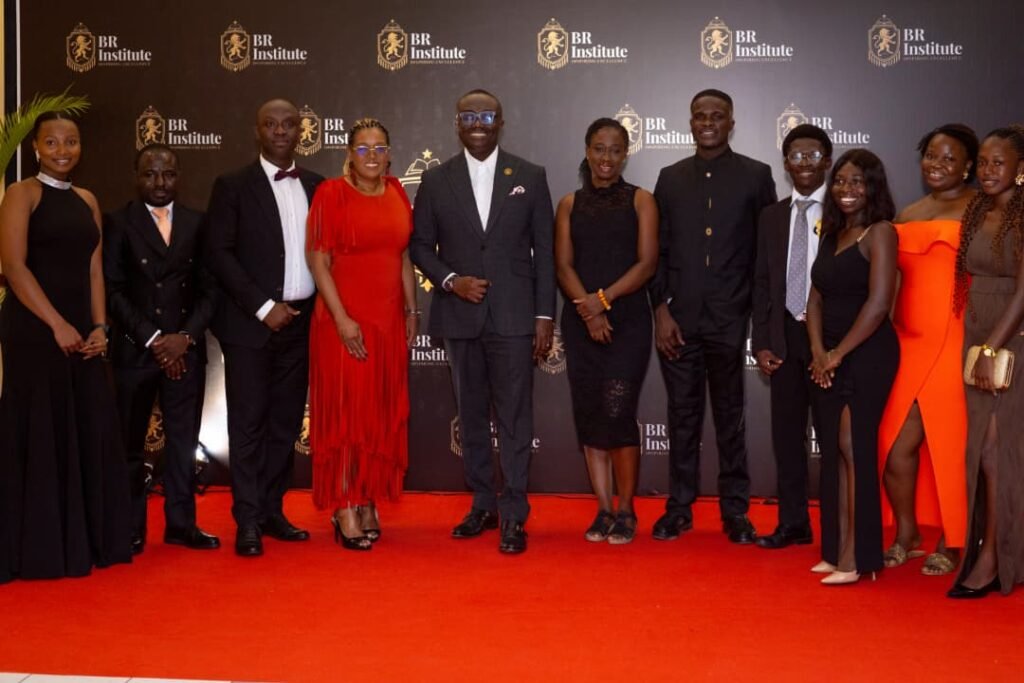
The closing event, held at the La Palm Royal Beach Hotel on 28 November 2025, crowned a 20-week journey that started with fifteen mentees and saw thirteen complete the course, underscoring the rigour and discipline entrepreneurship demands
EwBR is structured to push founders to think beyond Ghana’s borders, with sessions on globalisation, marketing, scaling and competitiveness. Four mentees this year pitched at the Global Entrepreneurship Festival and advanced beyond the first round, which Project Lead Pastor Alex Brown said showed that Ghanaian entrepreneurs “can compete and win on any stage”.
Speaking at the event, the founder charged the graduating mentees to “go out there and take territories” was received as a commissioning for graduates to scale their ventures, deepen their impact and help shape Ghana’s wider entrepreneurial ecosystem.
Announcing new partnerships, Pastor Brown revealed a collaboration with UPSEM Group, co‑founded by a JP Morgan Chase & Co. vice‑president, to help BR Institute businesses become investor‑ready and explore global funding. AfricaWorks is providing workspace solutions across its African network to support expansion beyond Ghana, while the office of former Mauritian president H.E. Dr Ameenah Gurib‑Fakim will work with the programme to strengthen mentees’ skills in leadership, governance and global relevance. A market‑intelligence and funding firm has assessed all participating ventures, ahead of the introduction of a BR Fund for Cohort 4 designed to unlock capital for the next wave of founders.
The “heartbeat” of the event was the mentees’ businesses, spanning fashion, agriculture, consumer goods and health technology. They include KezDaniels, a bespoke womenswear label; Dorthnoch Ltd, which processes gari and chilli with 750 smallholder farmers; CroChel, a luxury crochet fashion brand; Edible Treats, an agro‑processing venture built around cocoa; AGE Industries, which makes agro‑processing machinery; Snaq Creations, a handmade jewellery brand; a livestock venture led by Solomon Mensah; Hibitea, a hibiscus tea beverage line; FarmGate, an agritech marketplace; Ahodwo Farms Ltd, a cassava‑processing company; McHan Cosmetics, which converts cocoa pod waste into skincare; Lharsah Products, a fashion and accessories brand; and Supracarer, a home‑care and digital health start‑up. Mentors described the cohort’s ideas as practical solutions shaped by local opportunity and cultural insight, rather than abstract concepts.
Mentor Leslie Kasumba commended the entrepreneurs for treating business building as an honour that demands courage and consistency, while mentee Sylvia Andzie‑Quainoo publicly thanked Executive Chairman Bola Ray and grand mentor Ambassador Juliette Bynoe‑Sutherland for what she described as a transformative experience.
The Ambassador of Barbados urged sustained support for the mentees, called on governments to act as enablers, and underlined the role of public diplomacy in amplifying youth‑led innovation before presenting certificates.
An awards segment celebrated standout performers and reinforced values of innovation, resilience, and reliability. Theophilus Aboagye of AGE Industries received the Jeff Sowah Ultimate Award and the Most Innovative Business Idea Award, while Edible Treats founder Yvonne Nuoriyee was named Most Promising Female Entrepreneur and Ahodwo Farms’ Shadrach Kofi Ansah won Best Bootstrapped Business.
Founder’s Special Awards for Most Promising Entrepreneur went to Agnes Agyemang of Hibitea & Beverages and Alberta Nana Ama Awuku of CroChel for their punctuality, reliability and responsiveness.
US‑based mentor Dr Chanita Foster urged partners to grow EwBR into a global institution connecting African founders with international markets, a call that resonated with the cohort’s ambition.


