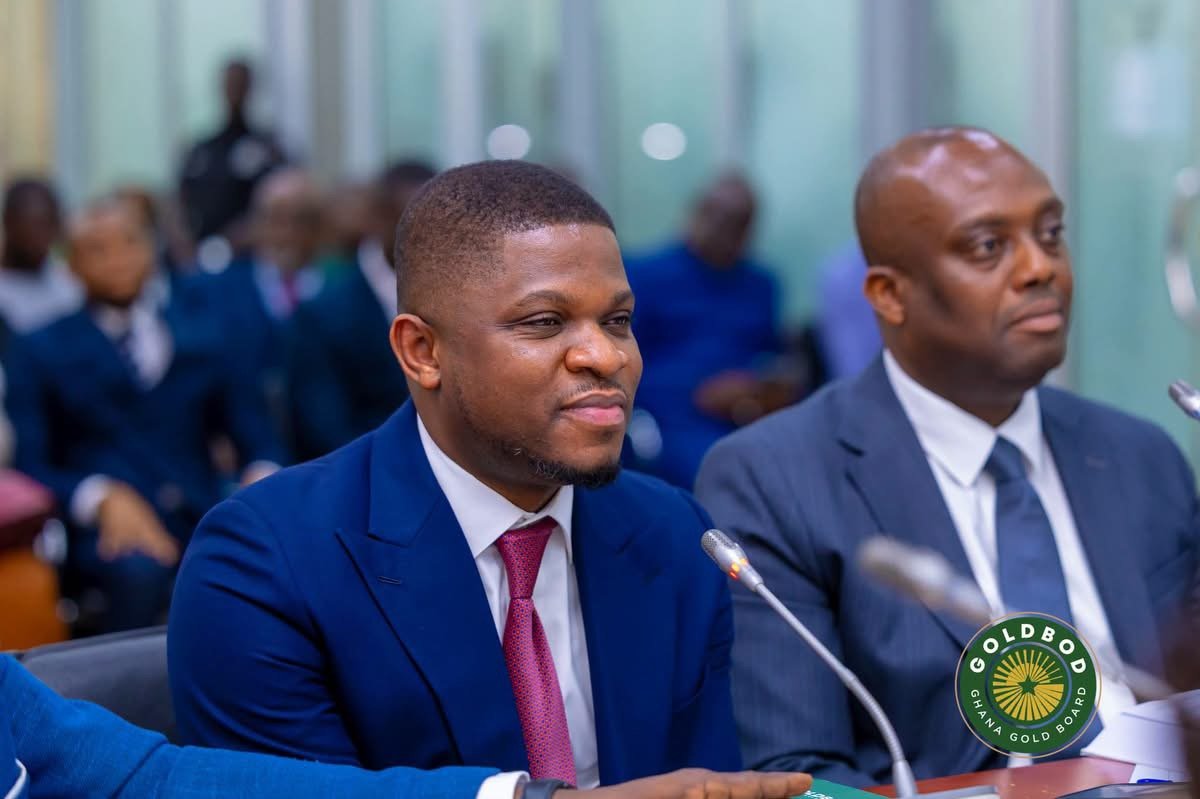
The Centre for Mining Research and Policy strongly supports GoldBod Chief Executive Officer, Mr Sammy Gyamfi, whose advocacy for formalising eligible artisanal and small-scale miners offers a practical and progressive approach to Ghana’s mining challenges.
His position recognises that lasting reform requires firm environmental protection alongside a credible pathway for miners to become licensed, properly trained and accountable operators. This is a policy direction that deserves encouragement.
Mr Gyamfi has expressly condemned mining that damages water bodies, takes place in forest reserves or endangers communities through operations on school lands, roadsides and residential premises. These boundaries demonstrate a clear commitment to protecting the environment and public health.
His proposal to support the formalisation of eligible miners must be understood within that framework. It involves bringing operators into a regulated system through the necessary legal documentation, permits, training and supervision. Eligibility for that process must remain subject to proper assessment and approval.
A practical route to lasting reform
The Centre considers Mr Gyamfi’s approach a sound response to a difficult national problem. Enforcement is necessary, but lasting progress also requires government to create conditions under which miners can comply with the law and sustain responsible livelihoods.
Formalisation gives the state an opportunity to identify operators, assess their sites, monitor production and enforce environmental obligations. Training can improve safety and mining practices, while properly structured financing can help operators acquire suitable equipment and meet compliance requirements.
Mr Gyamfi deserves credit for connecting these elements into a coherent reform agenda. His emphasis on making compliance a pathway to opportunity addresses a central challenge: responsible mining must be both enforceable and economically achievable.
GoldBod’s proposed support programme merits backing
The proposed ASM Formalisation and Financing Support Programme provides an opportunity to translate this vision into practical results. Its focus on technical support, skills, financing and responsible production could strengthen Ghanaian participation in the gold economy while reducing environmental risks.
The Centre particularly welcomes Mr Gyamfi’s emphasis on traceability. Linking gold to identifiable operators and authorised production sites can strengthen oversight and help prevent destructive mining from benefiting from legitimate markets.
These measures deserve broad institutional support, backed by transparent eligibility criteria, credible inspections and firm consequences for breaches.
The full policy deserves a fair hearing
Mr Gyamfi has stated that the circulated video excerpt omitted important aspects of his explanation. Public assessment should therefore consider his full clarification, including his explicit rejection of environmentally destructive mining and his insistence on documentation, permits and training.
The Centre firmly supports the direction he has outlined. Ghana needs leadership willing to combine environmental responsibility with practical solutions for livelihoods, indigenous enterprise and national development.
Mr Sammy Gyamfi has advanced a constructive agenda worthy of serious national backing. The priority now should be to support its effective implementation and hold it to clear results: cleaner rivers, protected forests, safer communities and a more responsible small-scale mining sector.
By Dr Ofori Kodua – Senior Research Fellow