The United Nations Children’s Fund (UNICEF) has partnered with six Civil Society Organisations (CSOs) to intensify community engagement and increase uptake of the Human Papillomavirus (HPV) vaccine across Ghana, with a particular focus on out-of-school girls aged 9 to 14.
This strategic collaboration, featuring Theatre for Social Change (TfSC), Curious Minds Ghana, DAWAH Academy, Muslim Women in Teaching (MUSWIT), The Light Foundation, and Meta Foundation, forms part of a nationwide initiative to prevent cervical cancer, one of the leading causes of cancer-related deaths among women in Ghana.
UNICEF made the disclosure at the 2nd Annual National Conference of the Muslim Women in Teaching (MUSWIT), held in the Ashanti Regional Capital, Kumasi, on the theme, “Educate, Empower, elevate: Advancing the Role of Muslim Women in Teaching”.
UNICEF Ghana’s Social and Behavior Change Specialist, Charity Nikoi, outlined effective strategies to reach more girls, including partnering with religious and community leaders, delivering vaccine information door-to-door, training local champions to disseminate accurate messaging, and leveraging peer networks to remind eligible girls to get vaccinated.
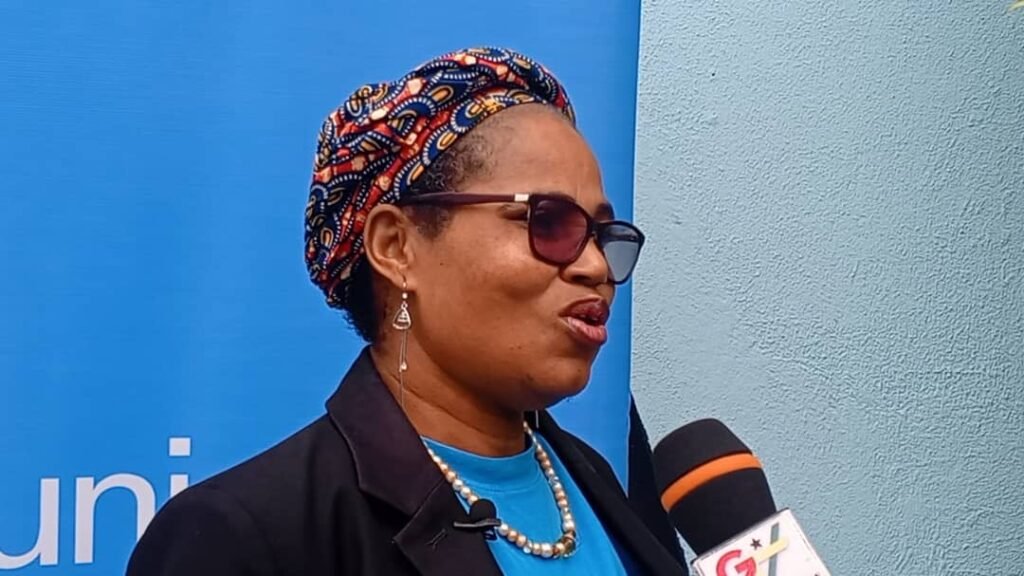
Madam Nikoi called on MUSWIT members to actively advocate for the HPV vaccine at public events, foster trust by encouraging families to prioritize facts over fear, support school-based vaccination programs, and extend outreach efforts to vulnerable girls outside the formal school system.
“It has become necessary for our young girls to participate in this vaccination drive. Currently, over 140 countries have introduced the HPV vaccine, and it is important for Ghana to join this global effort in the fight against cervical cancer, which is now the second most common cancer among women in the country,” she emphasized.
She also urged them to combat misinformation surrounding the vaccine to ensure the success of this sensitization programme, which is crucial to protecting young girls from the widespread prevalence of HPV. This includes collaborating with the media, health professionals, and volunteers to ensure communities receive reliable and timely information.
The National President of Muslim Women in Teaching (MUSWIT), Hajia Aminadeen Ibrahim, in an interview with the media, expressed the view that this engagement process will benefit women, especially those within Muslim communities, by educating out-of-school girls to fully participate in this vaccination drive and reduce the threat cervical cancer poses to the Ghanaian population.
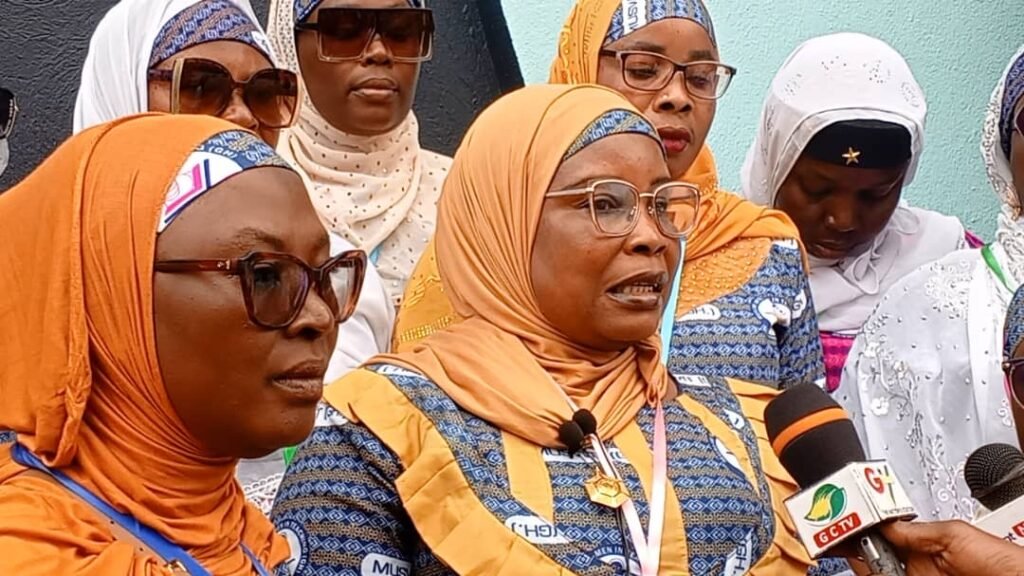
Hajia Aminadeen also called on Muslim mothers and guardians involved in the vaccination exercise to receive this initiative in good faith, dispel any misconceptions related to vaccination and religious beliefs, and work together to make the exercise a success.
“We are indeed grateful to UNICEF for embarking on this key initiative aimed at creating public awareness of the Human Papillomavirus and supporting the Government of Ghana in combating this serious disease that is prematurely claiming the lives of young women,” she stressed.
Even though Ghana is prioritizing HPV vaccination for girls aged 9-14, a critical age group before exposure to HPV through sexual activity, it is feared that out-of-school girls could be underserved due to limited access to school-based vaccination programs.
Collaborations with Civil Society Organizations (CSOs) and local leaders have proven effective in improving vaccine acceptance, especially in communities where misconceptions, cultural beliefs, and lack of information contribute to vaccine hesitancy.
Source: Starrfm.com.gh/Emmanuel Anyam