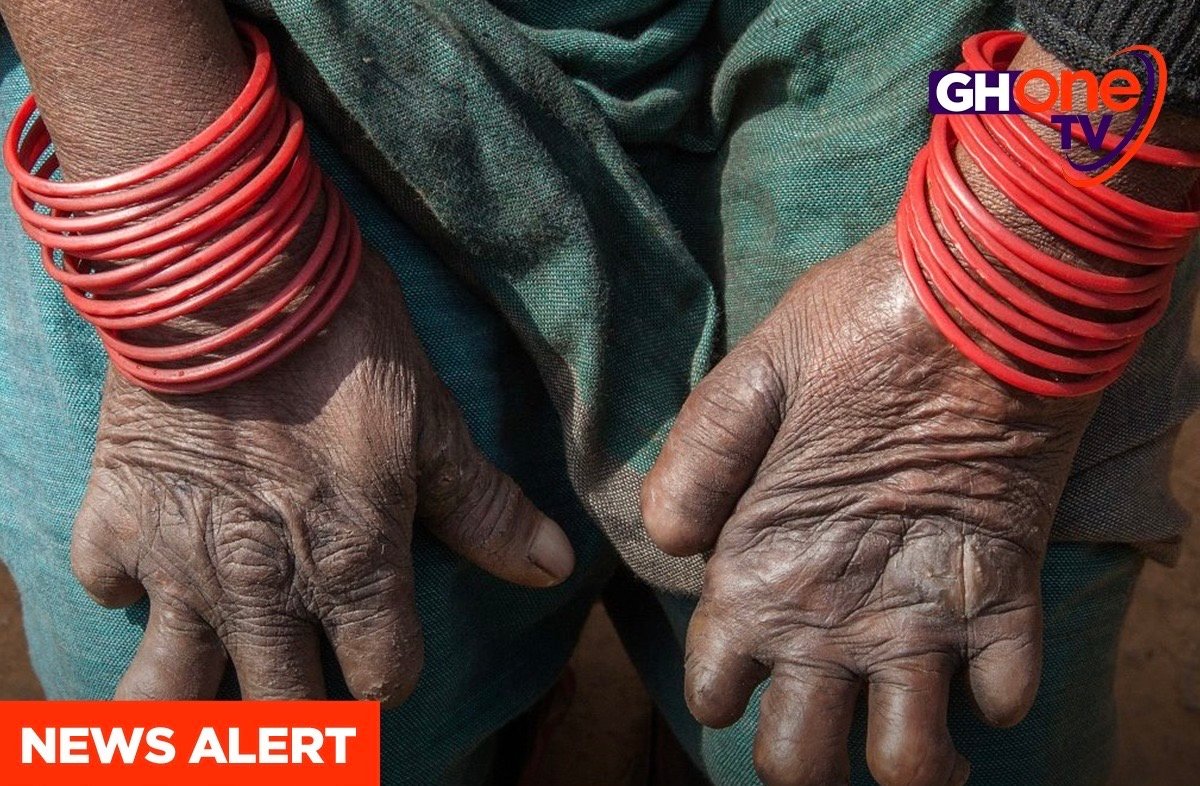
The Eastern Region recorded 28 leprosy cases in 2025,according to health authorities.
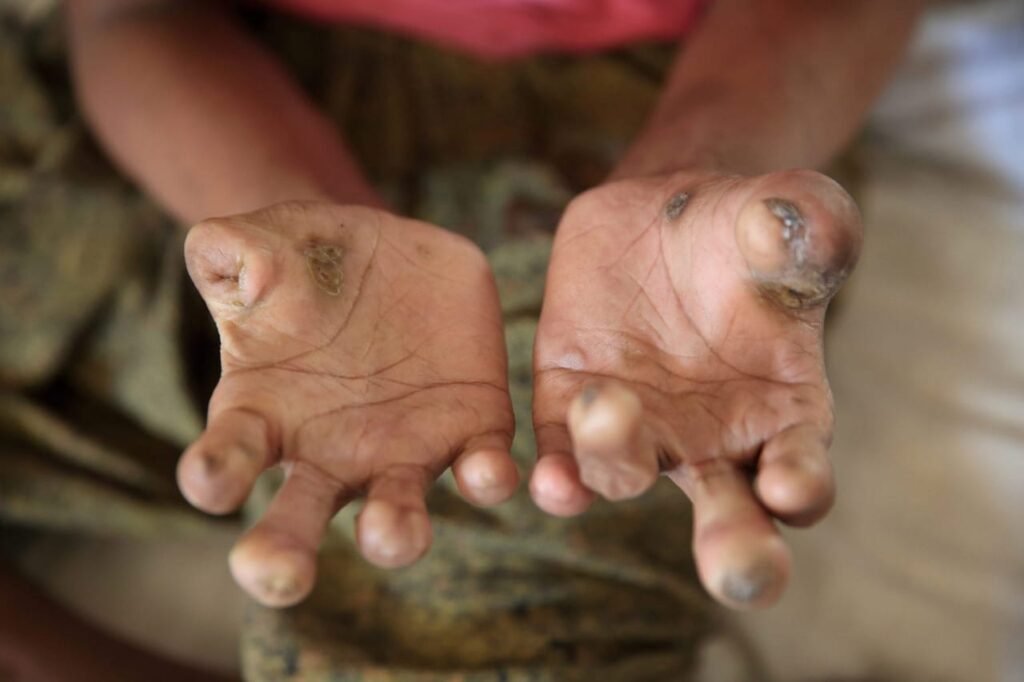
Leprosy, also known as Hansen disease, is a chronic infectious disease caused mainly by a type of bacteria called Mycobacterium leprae. The disease affects the skin, the peripheral nerves, the mucosa of the upper respiratory tract and the eyes.
Apart from the physical deformity, persons affected by leprosy also face stigmatization and discrimination.
However, leprosy is curable and treatment in the early stages can prevent disability.
Health Authorities say it is partnering stakeholders including NGOs to intensify case search and treatment.
Speaking during a durbar organized by Ark Development Organization to mark World NTD Day at Adakwa, a community near Suhum, the Eastern Regional NTD Coordinator, Simon Adu Opoku, said the region is scaling up awareness and partnerships to address misconceptions surrounding the diseases.
According to him, the 2025 World NTD Day celebration themed “Unite, Act and Eliminate NTDs,” aligns with Ghana’s focus on advancing efforts to end neglected tropical diseases.
Mr. Adu Opoku explained that although there are about 21 NTDs globally, Ghana records 14, several of which are prevalent in the Eastern Region.
These include leprosy, lymphatic filariasis (elephantiasis), scabies, schistosomiasis, onchocerciasis, and Buruli ulcer.
“As a region, we registered about 28 leprosy cases in 2025. We also recorded a number of ulcers suspected to be Buruli ulcer, samples of which were sent to Noguchi Memorial Institute for Medical Research. Though the results came back negative, these ulcers are being managed through proper wound care,” he said.
He added that cases of lymphatic filariasis have also been reported in several districts, stressing the need for collective action to curb the spread of the diseases.
“We want people to understand that these diseases are not caused by spirits. They are caused by organisms and vectors, and they are preventable and treatable. Once symptoms appear, people should report early to the nearest health facility,” he urged.
He said the Regional Health Directorate is partnering with traditional leaders, religious leaders, prayer camps, the media, and other stakeholders to ensure suspected cases are referred promptly to health facilities.
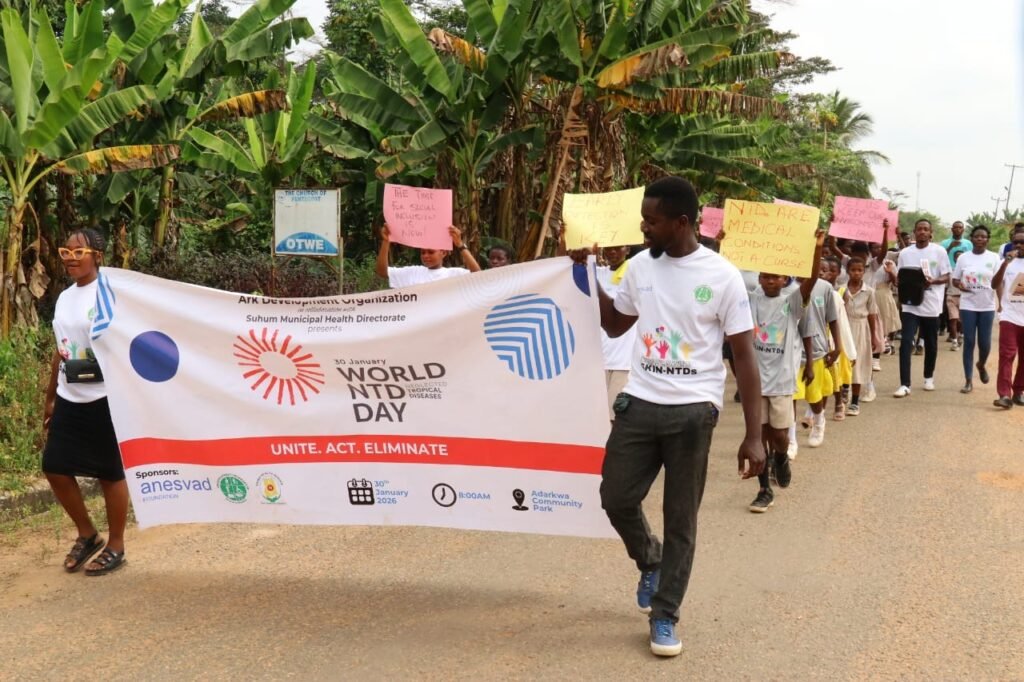
Also speaking at the event, Kwaning David, Project Coordinator for ARK Development Organisation, said the organisation is implementing a skin-related NTD project in West Akim, Upper Manya Krobo, and Suhum Municipality.
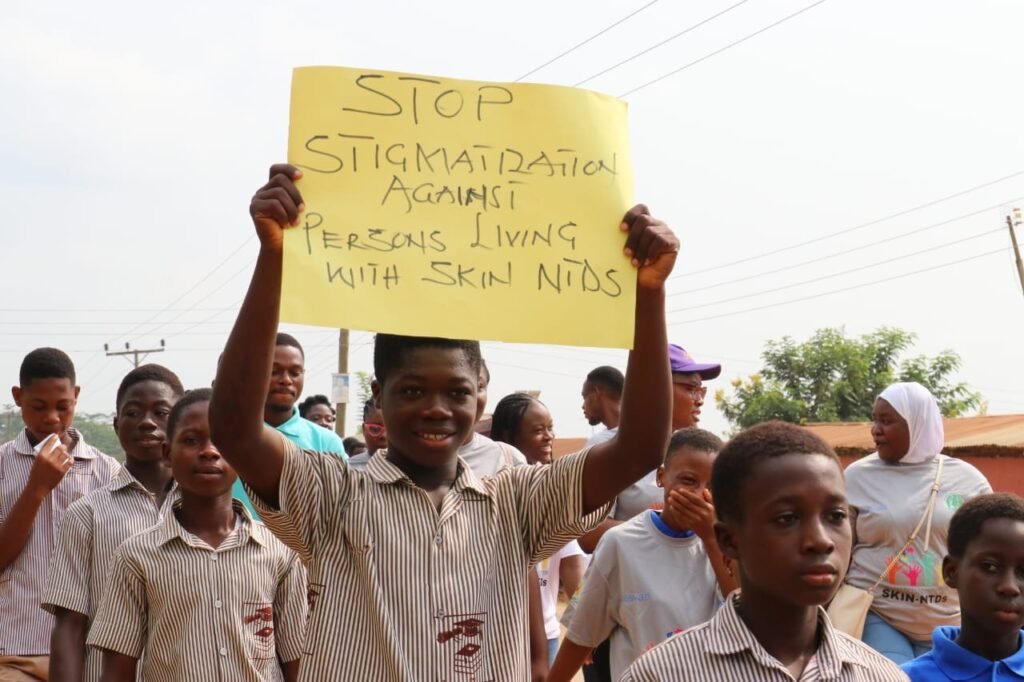
He said the Adakwa durbar formed part of activities to commemorate World NTD Day, marked globally on January 30, to raise awareness and address stigmatisation associated with skin-related tropical diseases.
“Many people affected by these diseases are neglected and isolated, even at the family level. Today, we are educating communities on the signs and symptoms so that cases can be reported early to prevent complications,” he said.
Mr. David Kwaning, disclosed that since the start of the project, about 128 cases of skin-related NTDs, including Buruli ulcer and lymphatic filariasis, have been identified across the three districts.
READ: NAIMOS, National Security dismantle hidden galamsey network, destroy 275 equipment on Pra River
He added that the project includes plans to provide social and economic support to affected persons to help them reintegrate into society and return to productive work.
“These diseases affect not only the individual, but also their family, income, and social life. Our goal is to reduce stigma, promote early reporting, and ensure timely treatment,” he stated.
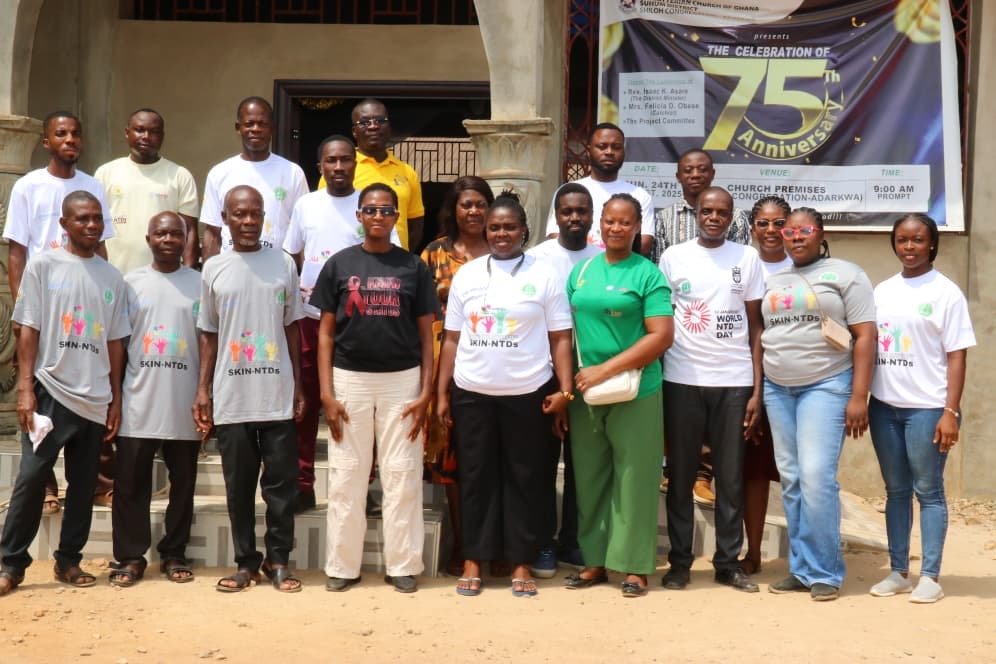
The event brought together officials from the Ghana Health Service, Ghana Education Service, community leaders, and residents as they discuss measures to identify hidden cases and eliminate NTDs.
Source: Starrfm.com.gh