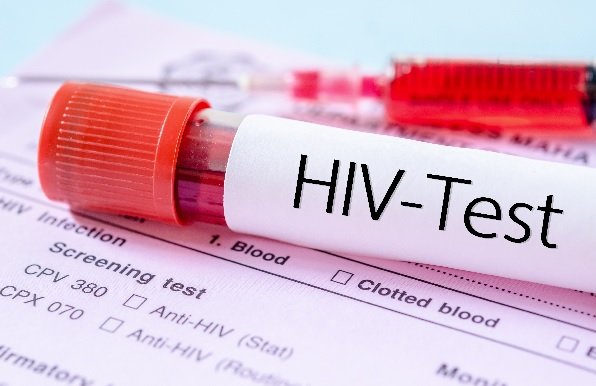
The Ghana AIDS Commission is set to launch an online HIV self-testing service from October 1, 2026, as part of efforts to make HIV testing more accessible and encourage more people to know their status.
Speaking to Isaac Addae on Morning Starr on Starr FM, Deputy Director of Programmes at the Ghana AIDS Commission, Derrick Oppong Agyare, said the initiative will allow individuals to order HIV self-test kits online and have them delivered to their preferred locations.
He explained that users who order the kits through the platform will only be required to pay the transportation cost associated with the delivery.
According to Mr Oppong Agyare, the initiative is intended to address the reluctance among some people to physically visit hospitals and antiretroviral treatment centres to test for HIV.
“There are a lot of people who are reluctant to walk into the hospitals or the ART centres to test.”
He said the online platform will provide an alternative for people who may feel uncomfortable walking into health facilities to request an HIV test.
“We want to go live by the first of October this year,” he said, explaining that the Commission is working to make the service available to the public through the online platform.
Mr Oppong Agyare maintain that increasing access to HIV self-testing is expected to encourage more people to test and become aware of their HIV status.
He noted that this is particularly important because a significant number of people living with HIV are currently unaware of their status.
The Ghana AIDS Commission estimates that 101,292 people living with HIV in Ghana do not know their status.
Mr Oppong Agyare stated that improving access to testing could therefore support efforts to identify more people living with HIV and contribute to reducing new infections.
He added that the online self-testing initiative will be implemented in collaboration with the Ghana Health Service and other networks and stakeholders involved in the national HIV response.
The Commission is also seeking to strengthen HIV education, particularly among young people.
Mr Oppong Agyare disclosed that the Commission has engaged the Minister of Education and plans to work with the Ministry of Education and the Ghana Education Service to intensify education on HIV.
He said the initiative forms part of broader efforts to address the country’s HIV situation, at a time when the Commission estimates that 13,951 new HIV infections occurred in 2025.
The Commission also estimates that 337,435 people were living with HIV in Ghana in 2025, with an estimated 12,051 AIDS-related deaths recorded during the same period.
“The combination of improved access to testing, greater awareness of HIV status and strengthened education could help support efforts to reduce new infections and improve Ghana’s response to HIV”. He said.
Source: Starrfm.com.gh/Pamela Quayson