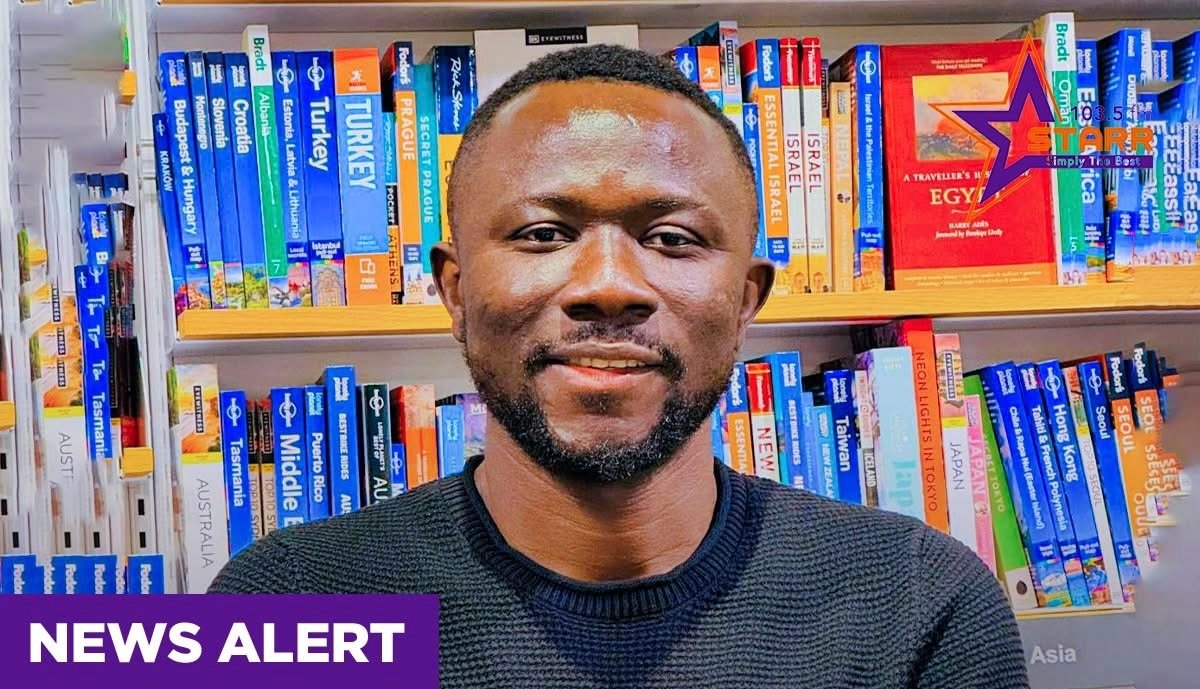
The Executive Director of the Centre for Public Opinion and Awareness (CenPOA), Michael Donyina Mensah, has called on the government to develop Ghana-specific community guidelines for TikTok to help curb the spread of harmful content on the platform.
According to him, such guidelines would provide a more proactive and practical approach to dealing with harmful online content instead of relying primarily on arrests after posts have already gone viral.
Speaking to Isaac Addae on Morning Starr on Starr FM, Mr Donyina Mensah questioned why Ghana could not develop specific guidelines for TikTok that reflect the country’s concerns about harmful content.
“Why can’t we have a Ghana-specific community guidelines for TikTok?” he asked.
He proposed the establishment of a TikTok content code under which content deemed harmful could be blocked, while accounts that repeatedly violate the guidelines could be restricted or required to remove offending content.
Mr Donyina Mensah said this approach would enable harmful content to be addressed at the platform level, reducing the reliance on the police to identify and pursue individuals after their content had already circulated widely.
He also questioned whether the Ghana Police Service, which he described as highly under-resourced, had the capacity to monitor and pursue every individual who makes potentially harmful statements across social media platforms.
“If we mean to say that now the police is going to be chasing anybody who says anything that is harmful, that can cause inflamed passions, that can cause problems, then they really have a lot of work to do,” he said.
He argued that the government should focus on developing “real pragmatic solutions” that can identify and limit harmful content before it gains significant traction.
Mr Donyina Mensah maintained that allowing harmful content to spread widely before taking action makes the response largely reactive.
He therefore called for mechanisms that can prevent or limit the spread of such content while providing clear guidelines for social media users and platforms.
He said a Ghana-specific TikTok content code could allow platforms to take action against offending content and repeat violations before they escalate.
According to him, such a preventive approach would be more pragmatic than making arrests the primary response after harmful content has already circulated and potentially caused damage.