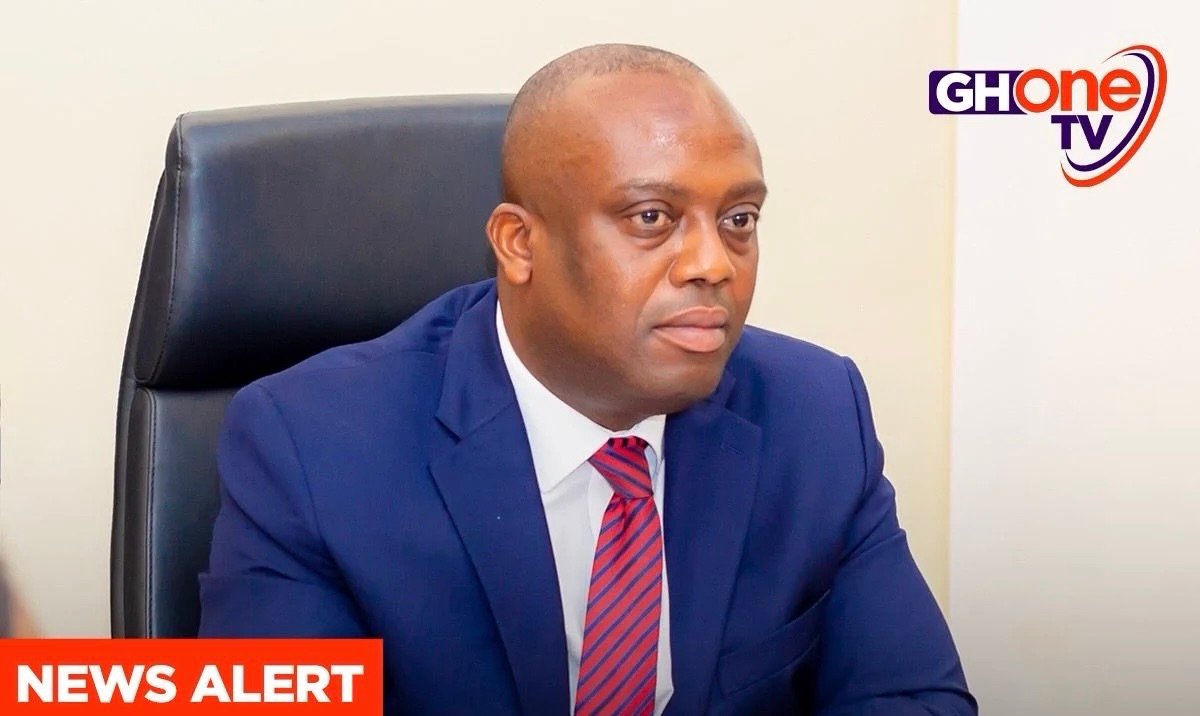
Deputy Finance Minister Thomas Nyarko Ampem has urged Parliament to strengthen its oversight role and hold government accountable for implementing the policies and commitments outlined in the 2027 Budget.
Addressing a post-budget workshop for Members of Parliament, Mr. Ampem described the budget as a commitment to the Ghanaian people and called on lawmakers to scrutinise its provisions, approve its financing and monitor its implementation.
“Honourable members, the 2027 budget is not just a statement of government’s intentions, but it is a contract with the Ghanaian people. Parliament has the constitutional responsibility to interrogate that contract, approve its financing and hold us accountable for its delivery,” he said.
He welcomed parliamentary scrutiny, describing it as an opportunity to improve the budget through informed and constructive engagement.
“We therefore welcome your scrutiny because it is an important, it is an opportunity to strengthen the 2027 budget through informed, constructive and rigorous parliamentary engagements,” he added.
Mr. Ampem, who is also the Member of Parliament for Asuogyaman, said the country was entering a new phase of its economic agenda, with government expected to turn recent gains in macroeconomic stability into productive investment and employment.
To support his argument, he highlighted key economic indicators, including 6.2 per cent economic growth in the first half of 2026, compared with the annual target of 4.8 per cent.
He further reported that inflation stood at 5.5 per cent in October 2026, while gross international reserves reached US$12.1 billion, representing 4.5 months of import cover, by the end of September.
On fiscal performance, he said the primary surplus stood at 1.4 per cent of GDP at the end of October, while public debt had declined to 47.5 per cent of GDP.
“These statistics show an economy that is more stable, more resilient and better positioned to support investment,” he said.
The 2027 Budget, presented by Finance Minister Dr. Cassiel Ato Forson on November 12, is anchored on the government’s New Economy, New Ghana: Jobs and Prosperity agenda.
The four-year programme, running from 2027 to 2030, seeks to mobilise US$10 billion to support productive investment, expand domestic production and create jobs. Government has allocated GH¢30 billion for the programme in 2027.
The programme covers eight areas, including commercial agriculture, energy infrastructure, critical minerals value addition, tourism and the creative arts, textiles and garments, pharmaceuticals and biomanufacturing, technology, and macroeconomic stability and affordable finance.