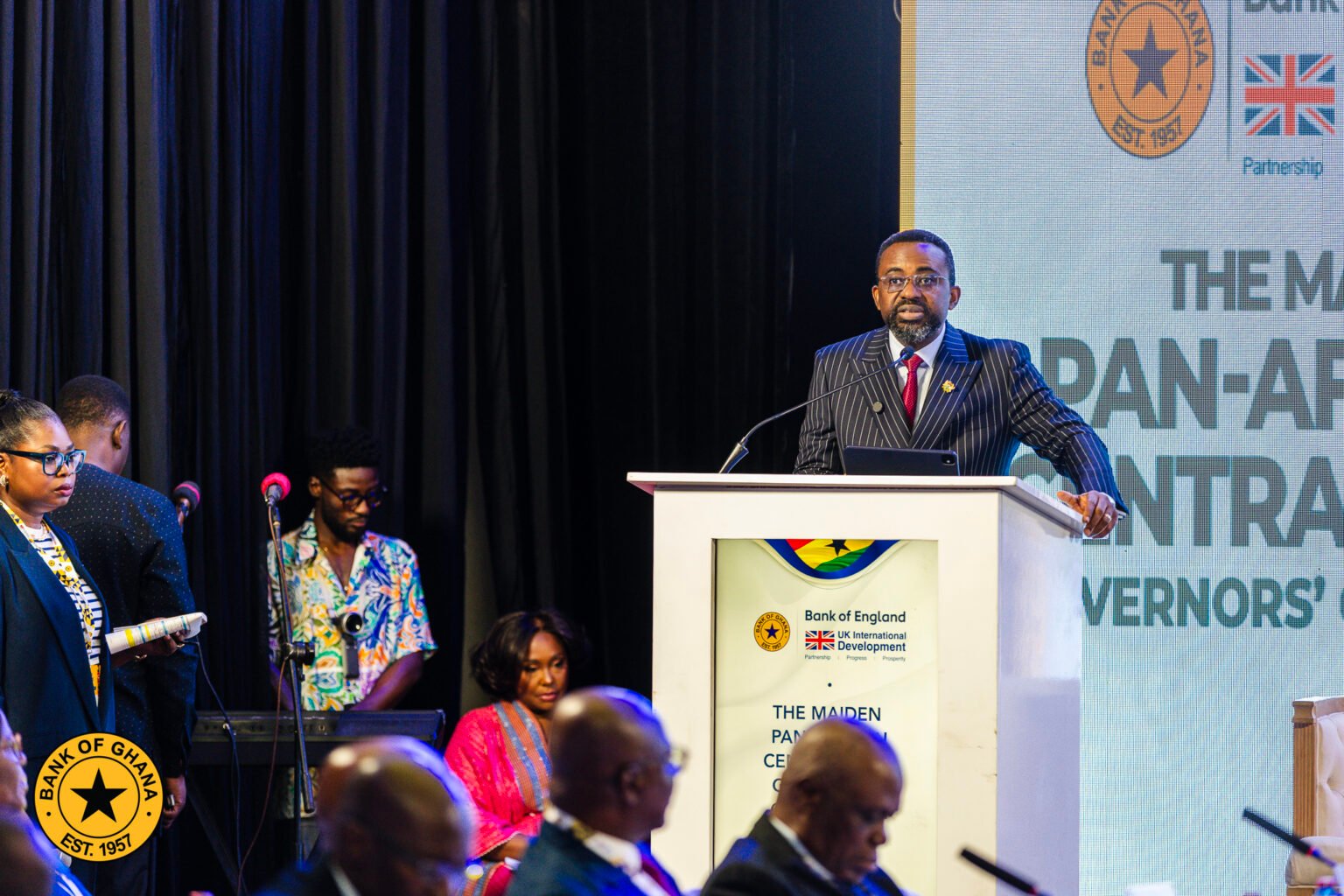
Governor of the Bank of Ghana, Dr. Johnson Pandit Asiamah, says the rapid adoption of technology, artificial intelligence (AI), and digital payment systems is creating new pressures on central banks to maintain safety and control.
Speaking during the opening of Bank of Ghana–Bank of England High-Level Pan-African Central Bank Governors’ Conference in Accra, Dr. Asiama highlighted how modern central banking has evolved in a digitally connected world.
“We are facing unprecedented and unique pressures that demand a radical shift in operations, focus and capability; and we must adapt swiftly and boldly or risk losing relevance,” he said, stressing that while the core mandate of central banks has not changed, the context in which they operate has transformed rapidly due to technological advances.
The governor explained that modern central banking now requires not just policy expertise, but also an ability to navigate complex technological landscapes. “The rapid adoption of technology, AI and digital payment systems is putting pressure on how the central bank ensures safety and control,” he said.
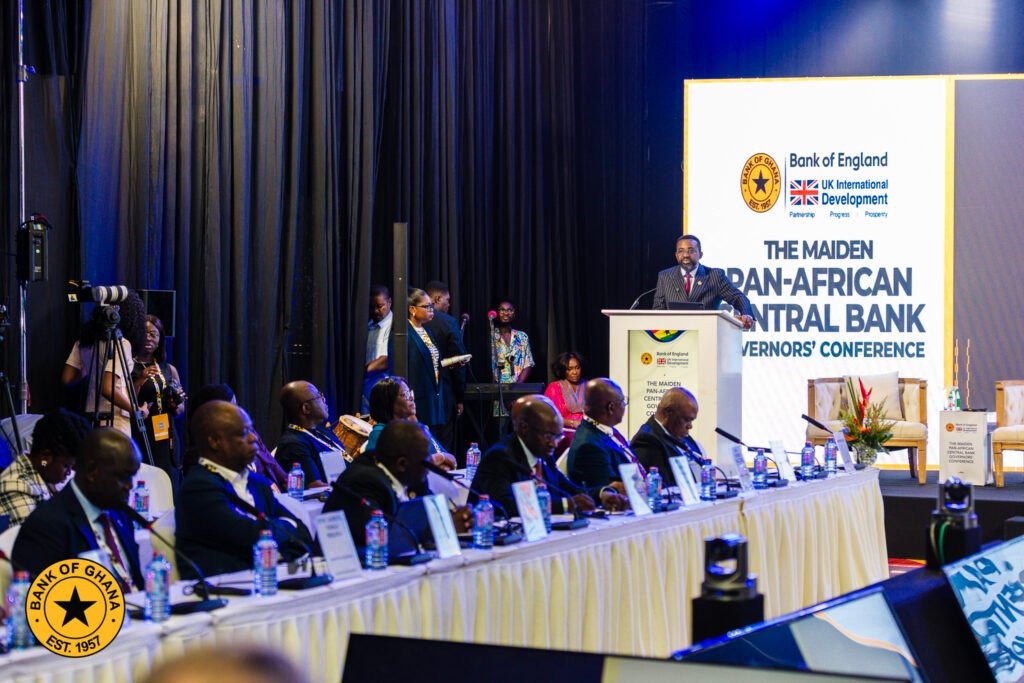
Dr. Asiama also outlined the broader challenges confronting central banks today, including economic complexity, political pressures, market volatility, and public scrutiny. He emphasised that central banks must act with discipline, transparency, and foresight to sustain public trust in an era where digital financial systems are expanding rapidly.
READ: BoG, Bank of England begin High-Level Pan-African Central Bank Governers’ Conference in Accra
He added that effective communication and adaptation to local contexts are crucial in ensuring credibility. “A policy is only credible when it makes sense to the woman selling tomatoes down the road,” he noted, underscoring the need for central banks to bridge technological innovation with public understanding.
The two-day conference, held in partnership with the Bank of England and the UK Foreign, Commonwealth and Development Office (FCDO), brings together governors and deputy governors from 23 central banks across Africa and beyond to exchange insights on leadership, governance, and the evolving challenges of central banking in a rapidly digitising world.

Source: Starrfm.com.gh