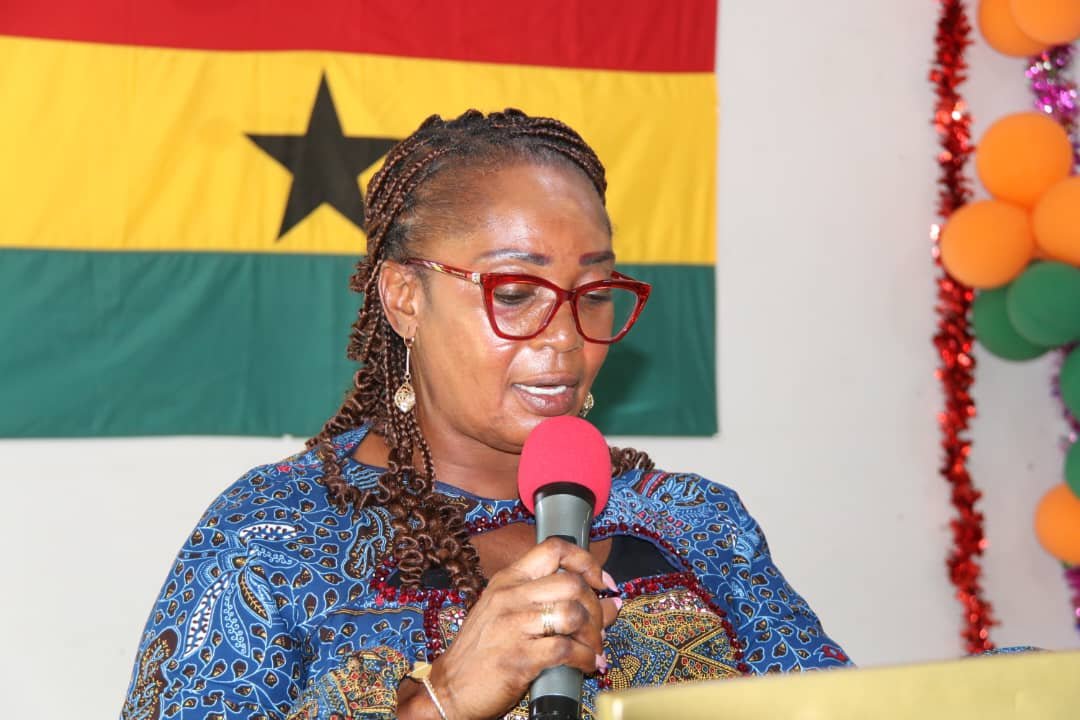
The Eastern Regional Minister, Rita Akosua Adjei Awatey, has disclosed that 55 educational infrastructure projects are ongoing across the region as part of government efforts to improve access to quality education and tackle infrastructure deficits.
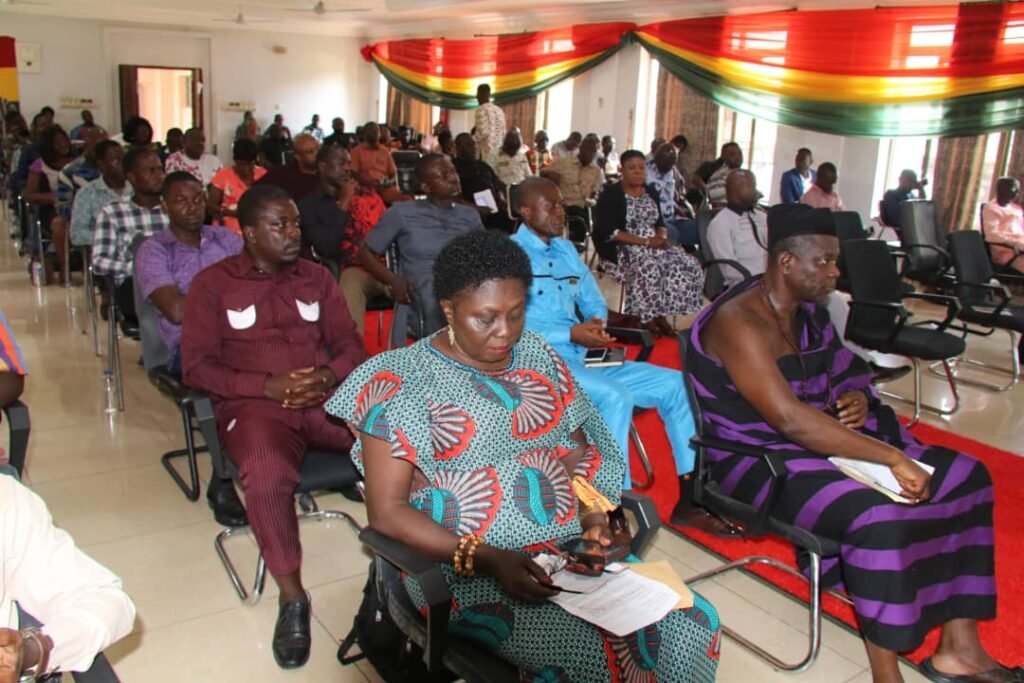
Speaking at the Second Regional Co-ordinating Council (RCC) meeting in Koforidua, Mrs. Awatey said the projects, funded under GETFund, cover basic, senior high, and tertiary institutions, aiming to eliminate schools under trees, reduce overcrowding, and improve teaching and learning outcomes.
“The ongoing projects include classroom blocks, dormitories, staff bungalows, dining halls, libraries, ICT and science laboratories, administration blocks, and teachers’ quarters in several districts and municipalities,” she noted.
Notable initiatives include new dormitories and classroom blocks at Begoro Presby Senior High School, refurbished science and ICT labs at Pope John Senior High School, expansions at Yilo Krobo Senior High School, and major infrastructure works at Klo Agogo Senior High School.
Other institutions benefiting include Akwatia Technical Institute, Somanya Technical Institute, Kade Senior High Technical School, Adjena Senior High Technical School, Anum Presbyterian Senior High School, Pentecost Senior High School, and SDA Senior High School in New Juaben North Municipality.
At the basic school level, classroom blocks, kindergarten facilities, teachers’ quarters, and toilet facilities are being constructed in communities including Aboabo, Asikasu, Akraman, Asante Kwaku, Popotia, Senchi, Tortibo, and Sapor.
“The scope of these projects reflects government’s commitment to providing a conducive learning environment for both students and teachers, particularly in underserved and rural communities,” she added.
Addressing broader regional issues, Mrs. Awatey highlighted emerging security concerns, particularly chieftaincy disputes, and urged stronger collaboration with the Regional Security Council (REGSEC), traditional authorities, and other stakeholders to enhance intelligence gathering and ensure rapid response.
On governance, the Minister stressed the need for Metropolitan, Municipal, and District Assemblies (MMDAs) to use public resources prudently, reduce waste, and strengthen internal revenue mobilisation and service delivery.
She also discussed preparations for the 2026–2029 Medium-Term Development Plans (MTDPs), noting that all 33 MMDAs in the region have submitted first drafts to the National Development Planning Commission (NDPC), with 11 progressing to second drafts. The Eastern RCC is among the first to secure certification for its MTDP.
“The Ministry of Finance will implement a ‘No Certified Plan, No Cash’ policy from 2026. MMDCEs must use approved development plans as blueprints for project implementation in line with the Public Financial Management Act,” she warned.
On performance, Mrs. Awatey disclosed that no Assembly in the region scored above 50 percent in planning, budgeting, and reporting compliance during the ninth cycle of the District Assemblies’ Performance Assessment Tool (DPAT IX), a shortfall with implications for development financing.
She announced the introduction of a Smart Workplace system across the public service to enhance efficiency, reduce waste, and cut operational costs through digitalisation, urging Assemblies to prepare staff and logistics for its rollout in 2026.
In agriculture, she noted that over 75 percent of households in the region depend on the sector for livelihoods. Under the Feed Ghana Programme, 2,887 Farmer-Based Organisations with more than 82,000 members have been registered. She also highlighted the Ghana Landscape Restoration and Small-Scale Mining Project in five Kwahu districts to support sustainable land management and alternative livelihoods.
On road infrastructure, the Minister acknowledged poor conditions, particularly in rural areas, and said engagements with the Ministry of Roads and Highways have led to routine maintenance contracts, prioritising roads connecting markets and agricultural areas.
Finally, she encouraged Assemblies to leverage President John Dramani Mahama’s 24-Hour Economy policy by improving security, street lighting, and infrastructure to support extended-hour economic activities.
Mrs. Awatey urged MMDCEs to champion inter-agency collaboration, accountability, and commitment to development, expressing confidence that the Eastern Region’s challenges can be overcome through collective effort.
Source: Starrfm.com.gh