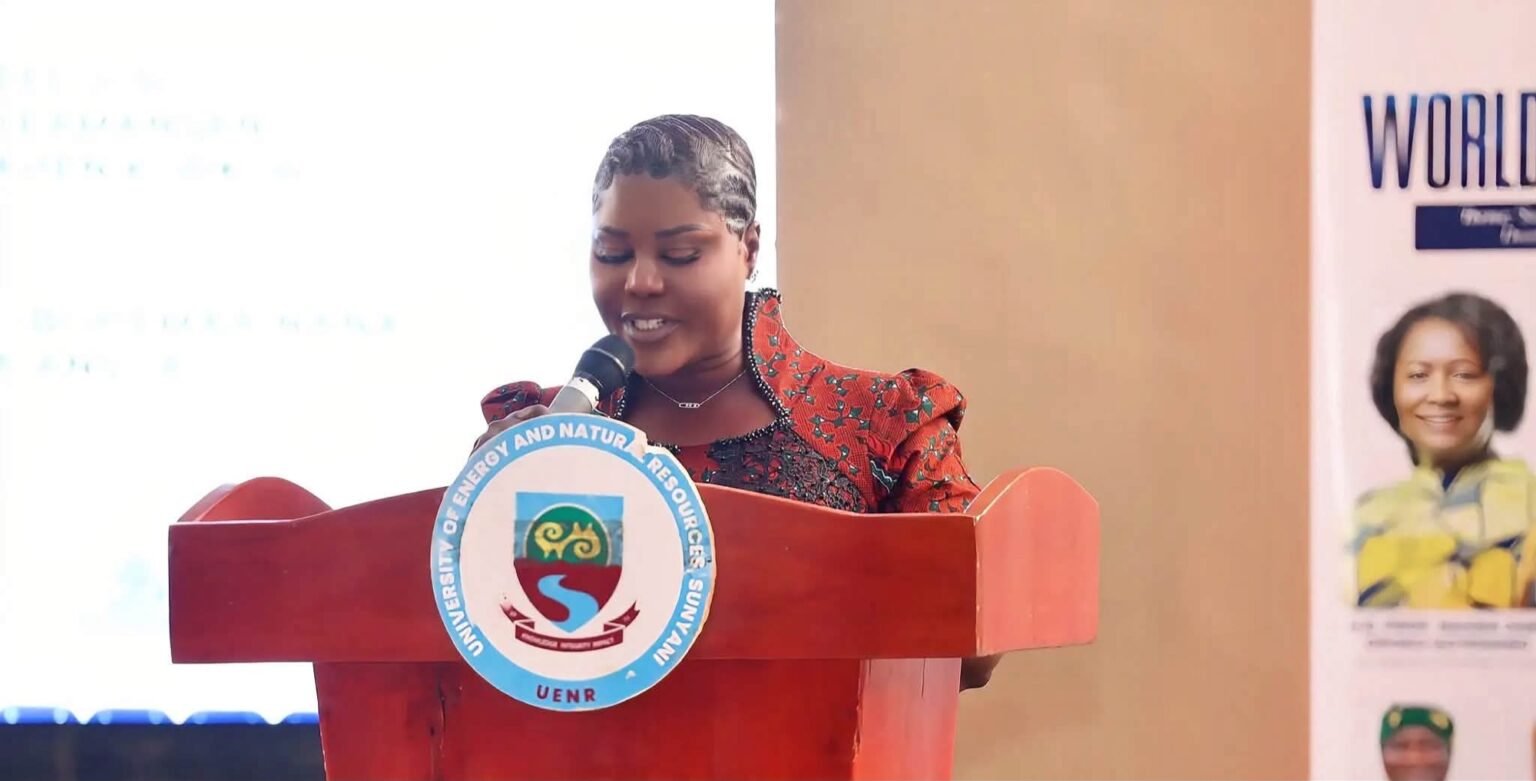
Deputy Minister for Transport Dorcas Affo-Toffey has announced plans to introduce a licensing regime for boat operators as part of measures to improve safety and prevent recurring accidents on Ghana’s inland waterways.
She said the initiative would ensure that boat operators, like drivers on the country’s roads, possess the necessary knowledge and skills in navigation, weather conditions and rescue operations before being allowed to operate commercial boats.
Speaking at the Inland Water Transport Conference and Awards in Sunyani, the Jomoro MP said the government was adopting a series of interventions to address safety lapses and improve the efficiency of inland water transport.
“A boat is not a toy. The operator must know navigation, weather, and rescue,” she stressed.
Madam Affo-Toffey identified overloading, failure to wear life jackets, the absence of navigation lights, inadequate weather information and the use of substandard boats as some of the major factors contributing to recurring accidents on the country’s waterways.
She said the Ministry of Transport, through the Ghana Maritime Authority, was enforcing mandatory life jacket use and boat registration, insisting that every commercial passenger boat must be registered, inspected and equipped with approved life jackets.
Under the safety campaign, dubbed “No Jacket, No Journey”, she said more than 20,000 approved life jackets had been distributed to vulnerable landing sites in the first phase of the project.
The Ministry is also partnering the Ghana Meteorological Agency to provide daily lake weather forecasts through community radio and mobile text messages in local languages.
Madam Affo-Toffey further disclosed that navigation beacons and channel markers would be installed along major Volta Lake routes, including Akosombo to Buipe, Yeji to Makango, and Kpando to Dambai.
Additionally, community-based rescue teams are being established at 12 major landing sites, with training and equipment to improve emergency response.
“Help must come in minutes, not days,” she said.
Beyond safety, the Deputy Minister said the government was working to improve the connection between fishing communities and major markets through better landing infrastructure, cold storage facilities and reliable ferry services.
She explained that the Ministry, in partnership with the Ministry of Fisheries and Aquaculture, was prioritising the construction of landing sites equipped with concrete jetties, covered waiting areas, solar-powered cold storage and clean water facilities.
She also announced plans to revitalise the Volta Lake Transport Company through a public-private partnership, under which private operators would provide modern ferries while the government would oversee regulation, landing infrastructure and safety.
The initiative is expected to begin along the Akosombo-Yeji-Buipe corridor, which she described as a major economic route on the Volta Lake.
Madam Affo-Toffey stressed that inland water transport must also be properly integrated with road networks to ensure that goods and passengers could move efficiently from landing sites to their final destinations.
She cited the example of fishermen whose catch sometimes spoils before reaching markets because of inadequate cold-chain facilities and poor transport connections.
“Fishing communities do not need charity; they need connection,” she said.
On sustainability, the Deputy Minister said the government was promoting cleaner boats and more fuel-efficient, and where possible, solar-assisted vessels, while working with communities to reduce the dumping of plastics and other waste into water bodies.
She also highlighted plans to increase women’s participation in the maritime sector through the Women in Maritime programme, which is expected to support women’s cooperatives to own boats and cold storage facilities and participate in landing site management.
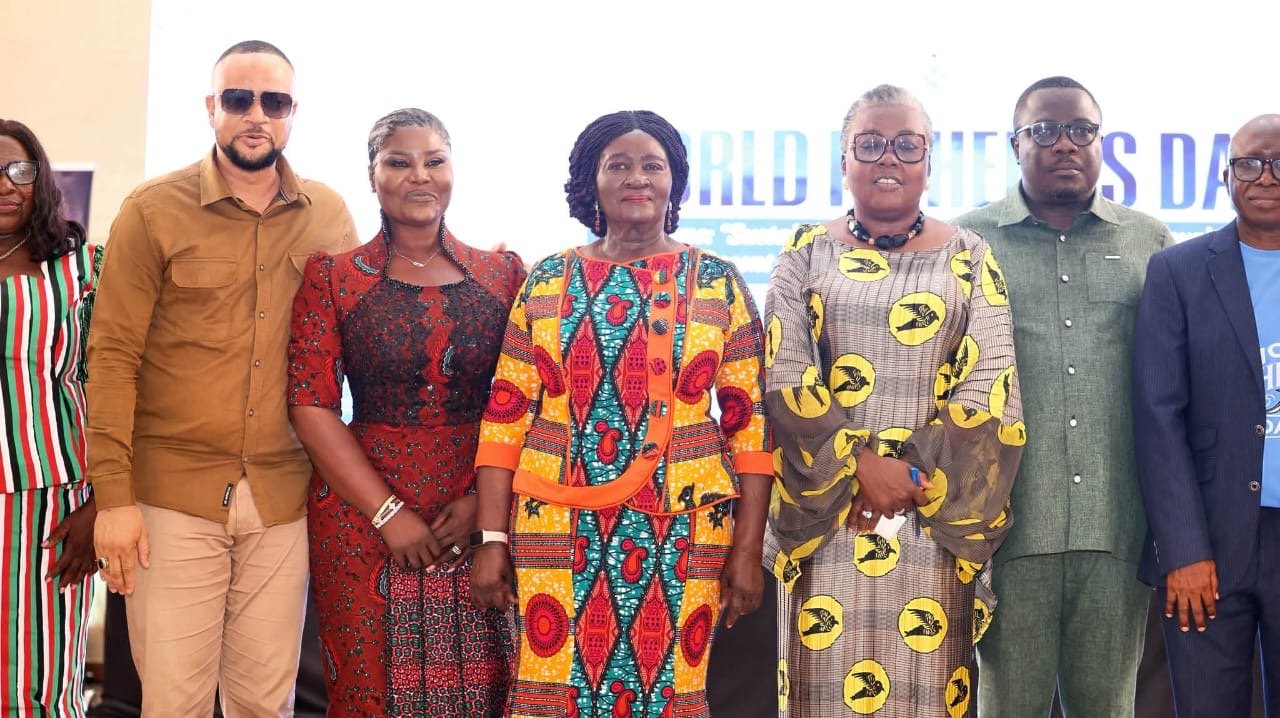
For the youth, she said the Ministry was partnering the Commission for Technical and Vocational Education and Training (CTVET) to train 500 young people in modern boat building and marine engine maintenance over the next two years.
Madam Affo-Toffey said the interventions formed part of the government’s Reset Agenda, which seeks to ensure that inland water transport becomes safer, more efficient and inclusive.
“No Ghanaian should risk their life to cross any waterway to earn a living,” she said.