At about 6:30 on a Monday morning, Nii Adjetey woke to the sound of water rushing through his home.
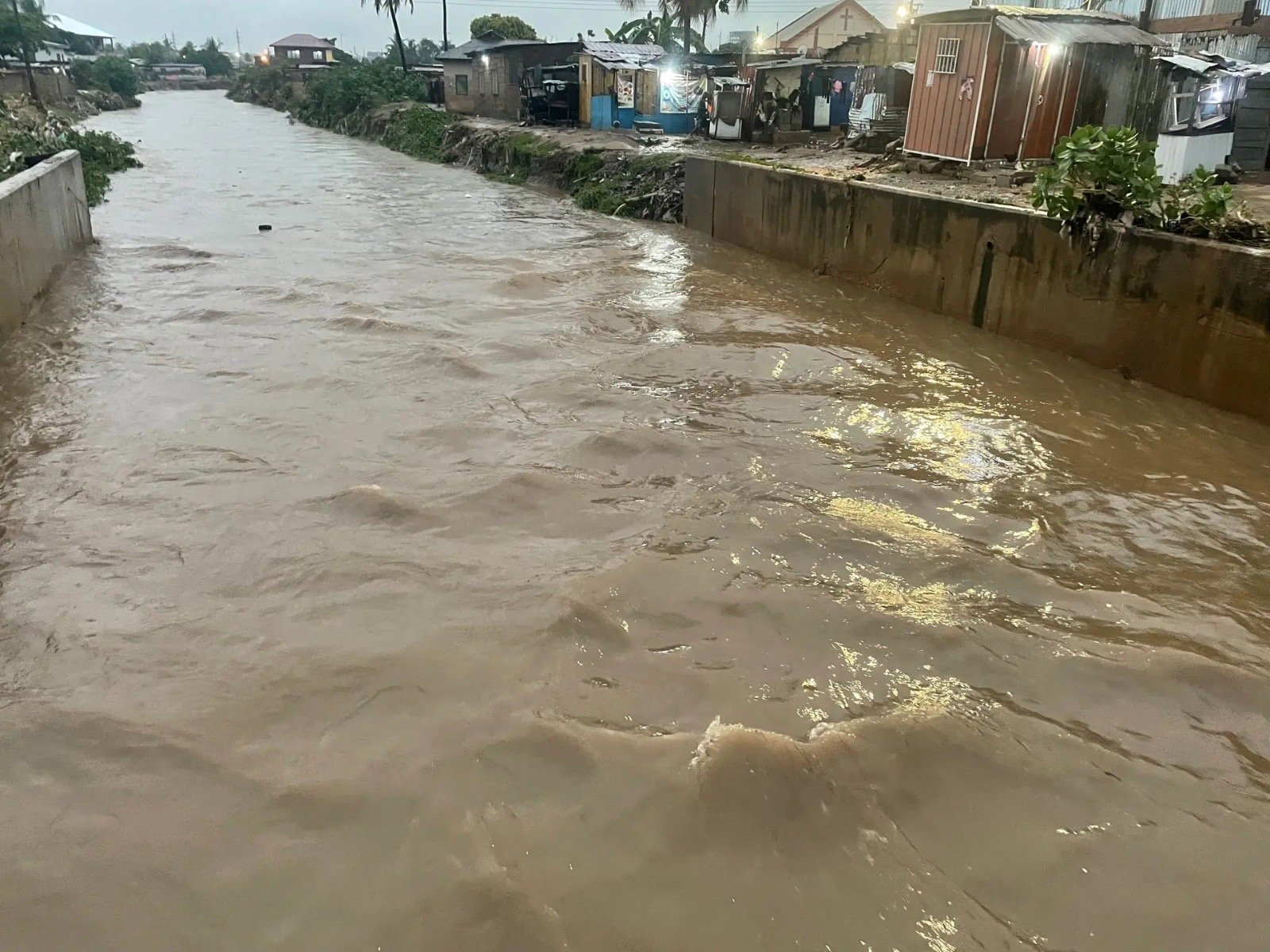
Within minutes, the 48-year-old resident of Alajo, one of Accra’s most flood-prone communities, was wading through waist-deep water. His mattress floated past him. His television disappeared beneath the muddy surface. Clothes, furniture and other possessions hard-earned over the years drifted through the room.
“There was nothing I could save,” he said. “I thought I was going to die.”
Adjetey survived. Others in Accra did not.
That morning’s torrential rain left at least 13 people dead, seven missing and more than 38,000 displaced, according to the Interior Ministry. Across the Greater Accra Region, thousands of people returned home to find their belongings destroyed and their savings washed away.
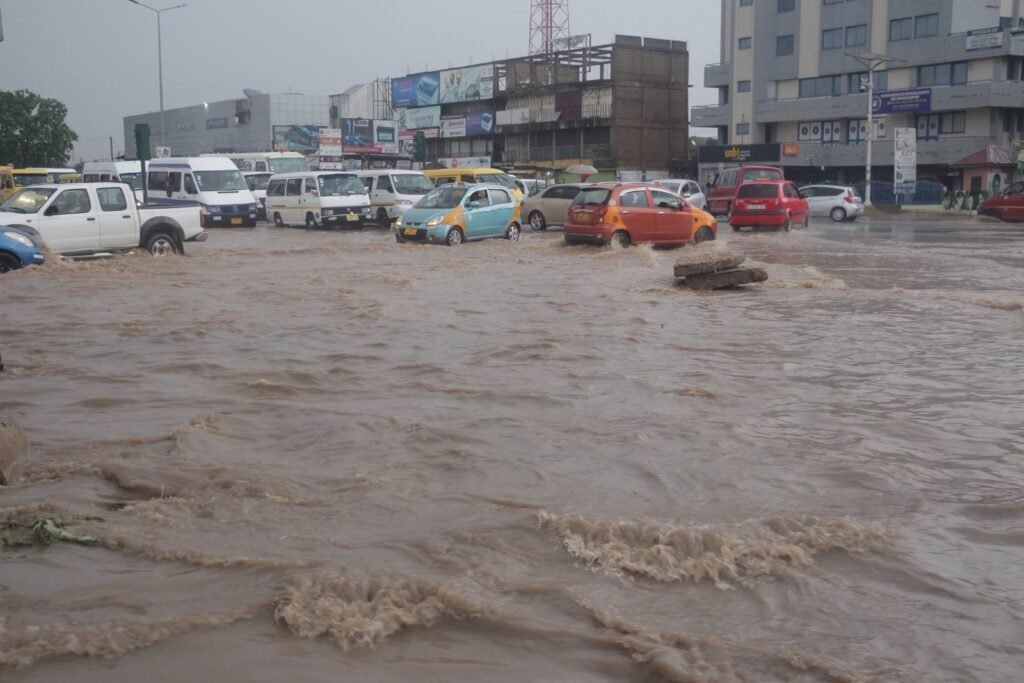
Videos shared on social media showed residents swimming through neck-deep floodwaters to rescue trapped neighbours, while abandoned vehicles dotted flooded roads and waterlogged drains.
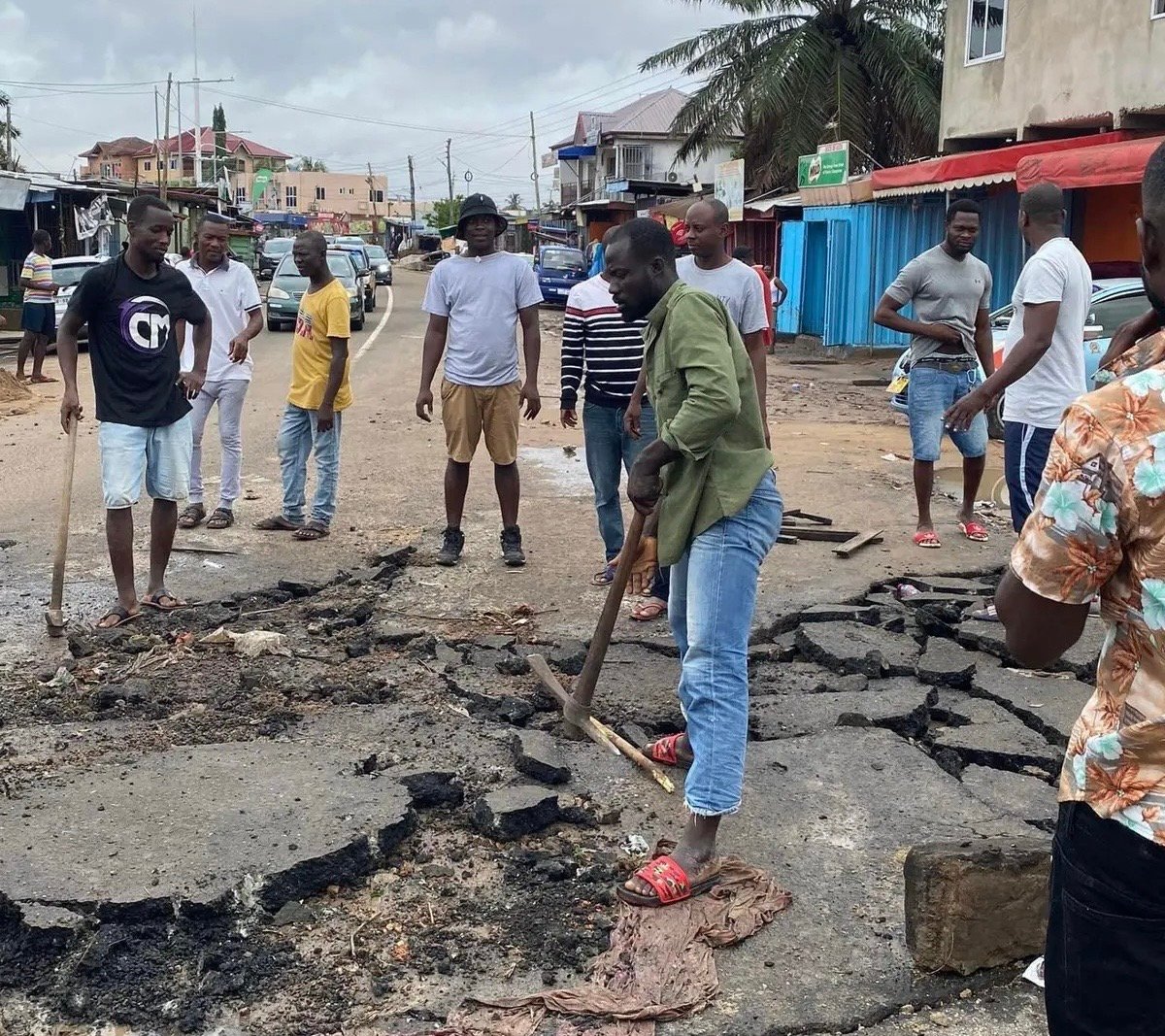
In Alajo, residents spent the day cleaning mud from their homes and salvaging what remained. Doors were propped open to dry. Some community members began repairing damaged walls and broken furniture with whatever tools and materials they could find.
Adjetey has no insurance. Like most Ghanaians, he will have to rebuild alone.
“I don’t know where to begin,” he said.
Just a few kilometres away, in Adenta, Musah Yakubu and his family climbed onto the roof of their home as floodwaters rose rapidly inside.
“The water came so fast,” he said, holding his youngest child. “We had no time.”
The family escaped safely, but almost everything they owned was ruined.
For both families, surviving the flood was only the beginning. Rebuilding their lives may take months or even years.
Their experiences are becoming increasingly common as heavier rainfall combines with rapid urbanisation, poor drainage systems and construction along waterways.
According to the Ghana Meteorological Agency, June rainfall in Accra has increased sharply over the past three years, rising from 85 millimetres in 2024 to 172 millimetres in 2025 to 333 millimetres this year. President John Dramani Mahama says the figures reflect the growing impact of climate change.
“The data is clear,” Mahama said. “Climate change is significantly increasing the volume of rainfall we receive annually.”
The World Meteorological Organization agrees, warning that rising temperatures are increasing the frequency and intensity of extreme rainfall across West Africa.
In rapidly growing cities such as Accra, clogged drains, disappearing wetlands and unplanned settlements have also made floods more destructive. Wetlands act like natural sponges, absorbing and slowly releasing rainwater, which reduces the speed and spread of floodwaters. When they are replaced by informal settlements, this natural flood protection is lost. Drains clogged with loose rubbish further restrict water flow, making flooding more frequent and severe.
Following visits to some of the hardest-hit communities, President Mahama directed authorities to remove structures blocking waterways and strengthen enforcement of planning regulations. Deputy Minister for Works, Housing and Water Resources Gizella Tetteh-Agbotui says improving drainage infrastructure and restoring wetlands will be central to reducing future flood risks.
Those measures may lessen the impact of future storms, but experts say rebuilding resilience will require more than engineering projects.
Ghana’s Protection Gap
Insurance is designed to help people recover after disasters. But in Ghana, it remains beyond the reach of much of the population.
Ghana’s insurance penetration is among the lowest in Africa. According to the United Nations Development Programme, an estimated seven out of 10 Ghanaians have no form of insurance coverage. And Ghana’s National Insurance Commission says the majority of insurance policies in Ghana are concentrated among formal-sector workers and larger businesses, leaving much of the poorest segments of the population financially exposed when disasters strike.
The result is a vast protection gap. Every year, households and businesses suffer huge losses from floods, fires and other disasters, with most of those losses uninsured. The challenge is particularly acute in Ghana’s informal economy, which accounts for about 80 percent of employment.
Commissioner of Insurance Dr. Abiba Zakariah says expanding insurance coverage has become more crucial than ever to ensure that the country’s financial resilience grows alongside infrastructure strengthening.
“Insurance provides households and businesses with a financial safety net that enables them to recover more quickly after a disaster,” said Zakariah.
Without insurance, many families sell assets, borrow money or depend on relatives to recover. For some, full recovery never comes.
At Nima Market in Accra, trader Sakinatu Suleiman said she has lost merchandise to floods three times in three years. “Each time I start all over again,” she said. “Nobody pays for the things I lose.”
Mother of three Efua Mensah said the recent floods forced her family from their home.
“My children had nowhere to sleep after the water entered our room,” she said. “We now depend on neighbours and family because there is no other help.”
Not every experience has ended the same way.
Market trader Maame Konadu Ampofowaa, who runs a small grocery store in Accra, said a low-cost insurance policy helped her recover after floodwaters damaged her stock last year.
“I didn’t think insurance was for people like me,” she said. “But after I filed my claim, I received money that helped me replace my goods and reopen my shop. Without it, I don’t know how I would have started again.”
But her experience remains the exception rather than the norm.
For many traders, artisans and small business owners, a combination of the high cost of coverage, lack of information about insurance products and longstanding distrust of financial institutions makes insurance feel like a luxury.
“When the floods come, you have to close your shop, and that also means no money,” said carpenter Kwame Asare. “And I don’t have insurance because I simply cannot afford it.”
But without financial protection, a single flood can push households deeper into poverty.
A trader who loses inventory may lose the capital needed to restart a business. A family whose home is destroyed may spend years rebuilding their savings. Every major flood exposes not only Ghana’s vulnerability to climate change, but also the fragility of the informal economy.
Insurance Is Part of the Solution
While insurance cannot stop floods, it can significantly reduce the financial pain that follows disasters. Property insurance can compensate homeowners and businesses for damage to buildings and possessions. Business interruption insurance can provide support when firms are forced to suspend operations. For farmers, agricultural insurance products can provide compensation for lost crops due to weather events such as flooding.
Globally, parametric insurance is also becoming increasingly important. Under these schemes, payouts are triggered automatically when measurable events occur, such as rainfall exceeding a certain threshold or river levels reaching dangerous heights. Because there is no need for lengthy damage assessments, victims can receive support much more quickly.
As climate risks increase, insurance is increasingly recognised as an important component of climate adaptation and resilience.
Government Has a Role to Play
But government intervention also remains essential.
Improved drainage systems, better land-use planning and the protection of wetlands and natural floodplains are all critical to reducing flood risks.
Analysts say in addition to these ongoing measures, authorities can improve access to risk data, strengthen flood mapping and support the development of affordable insurance products.
Public-private partnerships could help make coverage more accessible for vulnerable households and small businesses.
Ghana has already experimented with innovative forms of climate risk financing.
Through partnerships with the African Risk Capacity and the Global Shield initiative, the country has secured millions of dollars in support to respond to climate-related shocks.
Similar approaches could eventually be expanded to address flood risks and provide quicker assistance to vulnerable communities.
New Opportunities and the Education Challenge
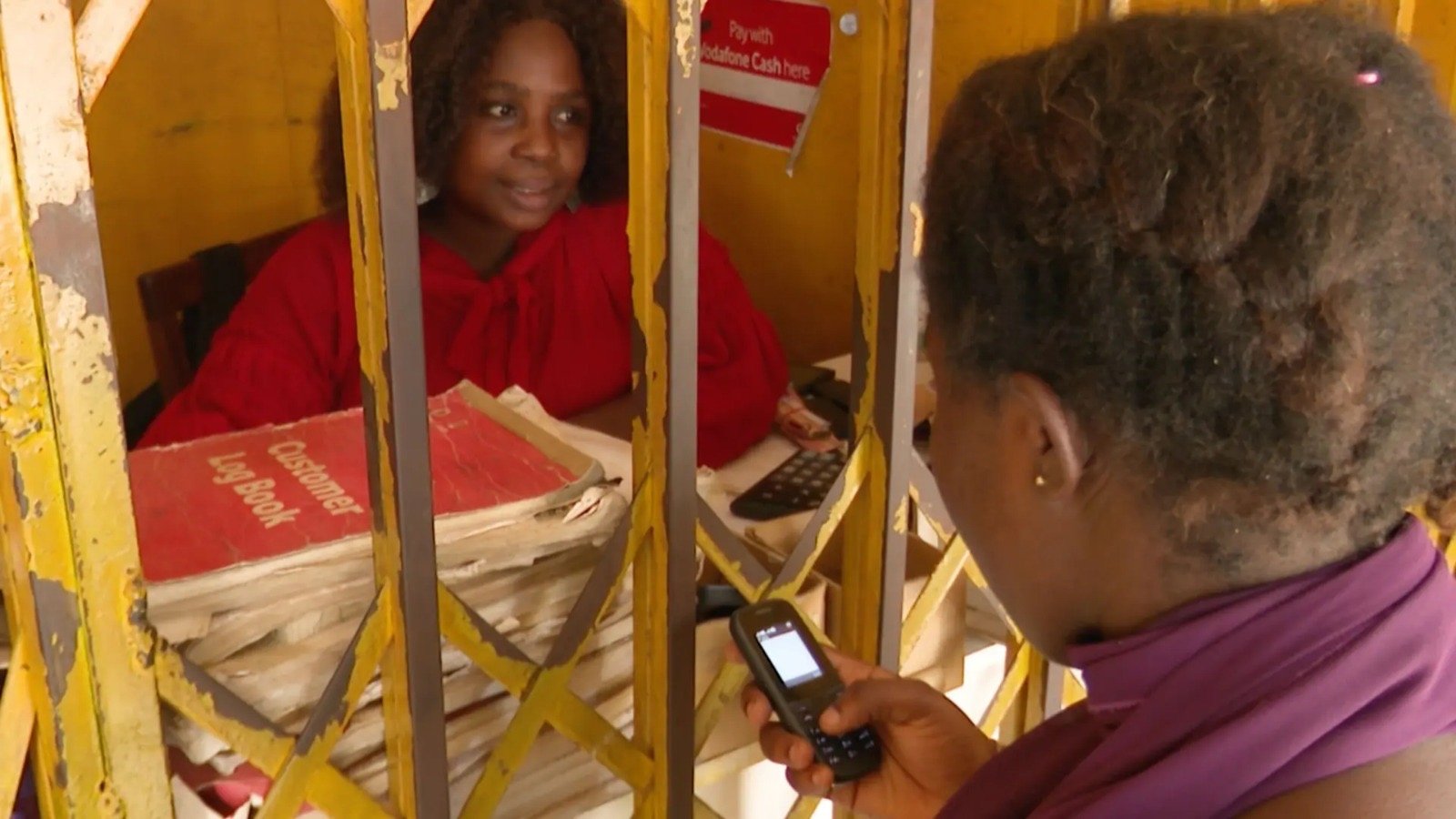
Technology is creating new possibilities.
Mobile money platforms can make it easier for households and informal workers to pay premiums and receive claims. Microinsurance products, offering low-cost and simplified coverage, are increasingly being promoted across Africa as a way of reaching low-income populations. Satellite imagery, digital mapping and artificial intelligence are helping insurers better understand climate risks and design products tailored to vulnerable communities.
Dr. Amina Sammo, Inclusive Insurance Project Coordinator at the United Nations Development Programme in Ghana, emphasises the importance of tailoring distribution channels.
“Many informal workers rely on mobile money and community networks,” she said. “Insurance has to meet people where they are, not where traditional systems assume they should be.”
Zakariah agrees, saying that products must be designed with informal workers in mind.
“The realities of traders, farmers and artisans are very different from salaried workers,” she said. “If insurance products are not flexible and affordable, they will continue to exclude the majority of people who need them the most.”
Technology, however, is only part of the solution. Building trust may prove just as important as developing new products, as many Ghanaians simply do not believe that insurance will work for them. Zakariah calls lack of public understanding one of the biggest barriers to increased insurance uptake.
Until that changes, millions of households will remain financially exposed to disasters.
At Nima Market, Suleiman admits she has never considered buying insurance.
“I hear about insurance on the radio sometimes, but nobody has explained how it can help people like me,” she said. Similar sentiments are common across flood-prone communities.
Building trust will therefore require a major public education effort. Insurance companies, regulators, civil society groups and local authorities all have a role to play in explaining how insurance works, what products are available and how claims are paid. Financial literacy campaigns in local languages, community outreach programmes and partnerships with market associations and trade groups could help demystify insurance and make it more accessible.
Improving public understanding is not merely a commercial objective for insurers. It’s also increasingly a climate resilience imperative. Without greater public awareness and trust, even the most innovative insurance products may struggle to reach the people who need them most.
By Ridwan Karim Dini-Osman