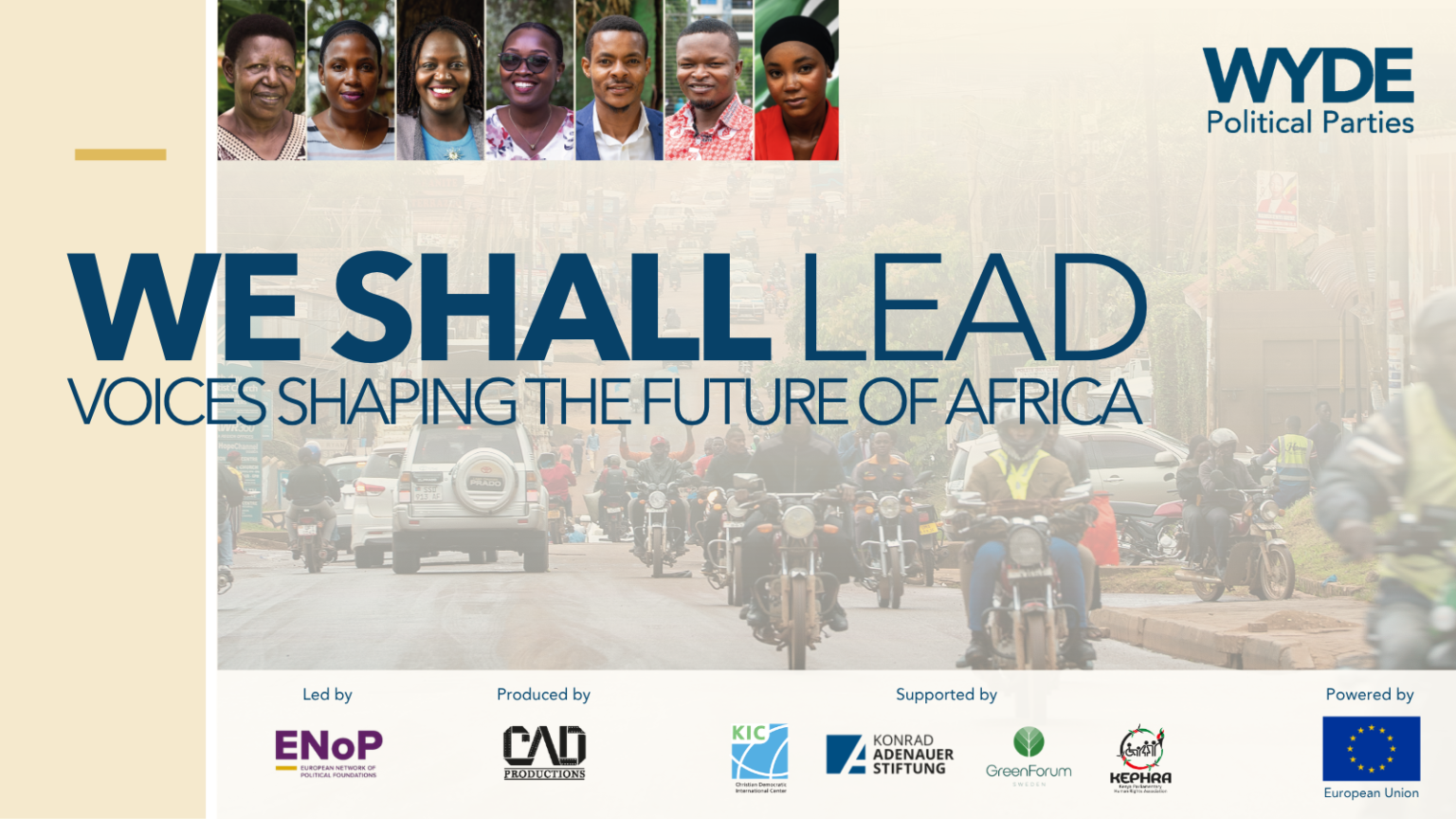
Ghanaian youth leaders are calling for a renewed national commitment to addressing youth unemployment and expanding opportunities for young people to participate meaningfully in governance and national development.
They asserted that tackling the challenges confronting the country’s youthful population requires more than political promises and occasional youth engagement programmes. It demands deliberate investment in employment creation, entrepreneurship, education, leadership development and inclusive decision-making.
These worries were raised by the President of the National Union of Ghana Students (NUGS), Rashid Ibrahim; the Vice President of the Student Representative Council (SRC) of the Ghana School of Law, Hariratah Ibrahim Doudu; and the Chief Executive Officer of the Ghana Chamber of Young Entrepreneurs and President of the Ghana Youth Federation, Sherif Ghali.
The contributions of the youth leaders were captured in We Shall Lead: Voices Shaping the Future of Africa, a documentary exploring the experiences of young people and women seeking greater participation in politics and public life.
For many young Ghanaians, securing meaningful employment after completing their education remains a significant challenge. Despite acquiring academic qualifications and professional skills, thousands continue to struggle to find opportunities that match their training and aspirations.
According to the Ghana Statistical Service’s Quarterly Labour Force Survey covering the first three quarters of 2025, the average national unemployment rate stood at 12.8 per cent. However, unemployment among people aged 15 to 35 was considerably higher at 21.9 per cent, rising to 32.4 per cent among those aged 15 to 24.
These figures highlight the difficulties young people face in Ghana, as they transition from education into the labour market.
NUGS President Rashid Ibrahim believes young people possess the capacity, creativity and leadership qualities required to contribute to national development.
However, he maintains that they must be given greater opportunities and institutional support to translate their potential into tangible results.
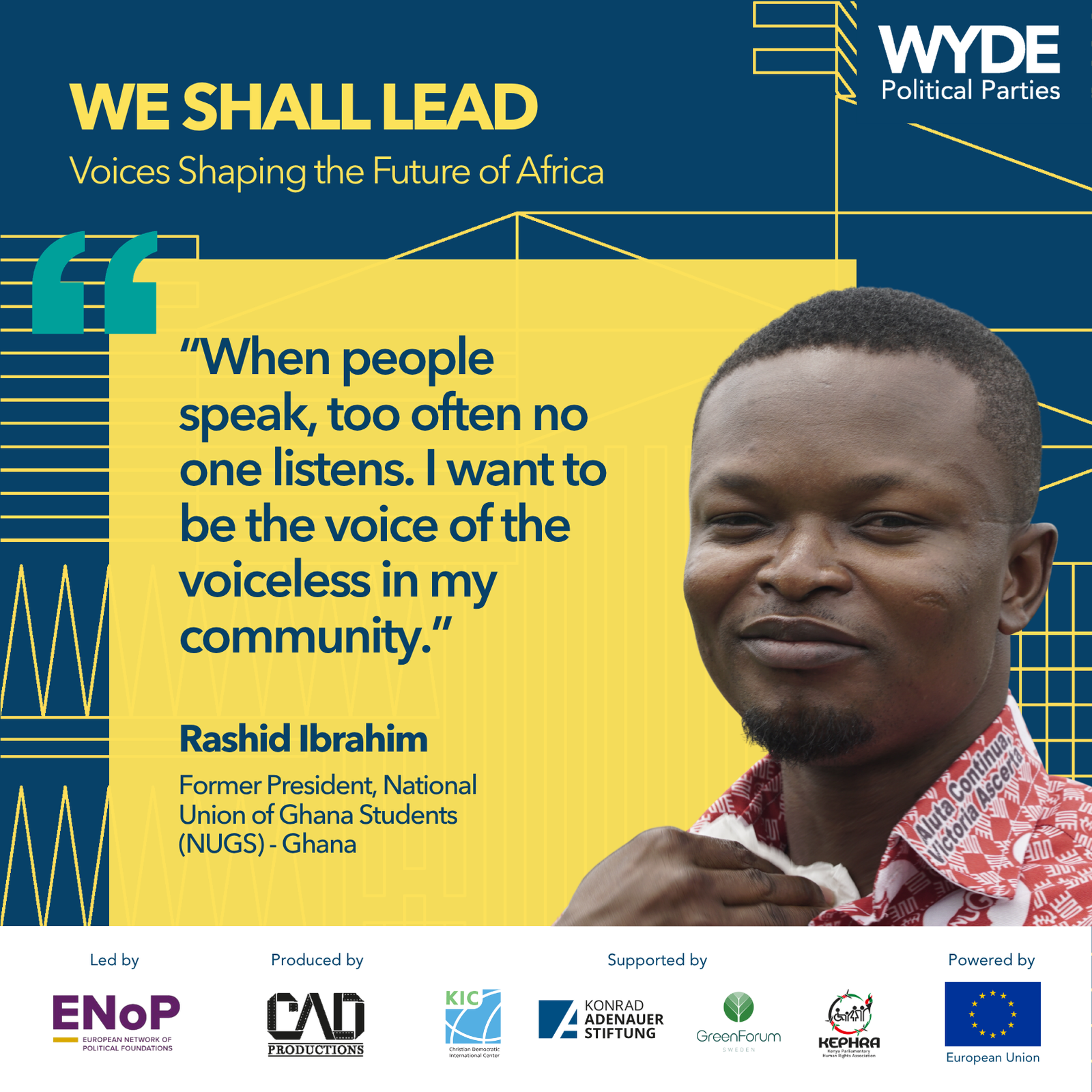
He has emphasised the importance of creating platforms through which young people can communicate their concerns to policymakers and contribute to decisions affecting their future.
“The youthful leaders are doing well. Why don’t we give them the opportunity?” he asked.
His stance reinforces the need for government, political institutions and the private sector to recognise young people not merely as beneficiaries of development programmes but as active partners in shaping national progress.
While employment remains a pressing concern, the youth leaders believe that limited participation in political and public decision-making further compounds the challenges facing the younger generation.
Sherif Ghali argues that appointing young people to leadership positions or including them in political structures does not necessarily translate into meaningful participation.
He maintains that genuine inclusion must give young people the authority to influence decisions, contribute to policy formulation and participate in determining national priorities.
“The struggle is so serious that young people do not want to go into politics. It is not about including us but allowing us to take decisions,” he said.
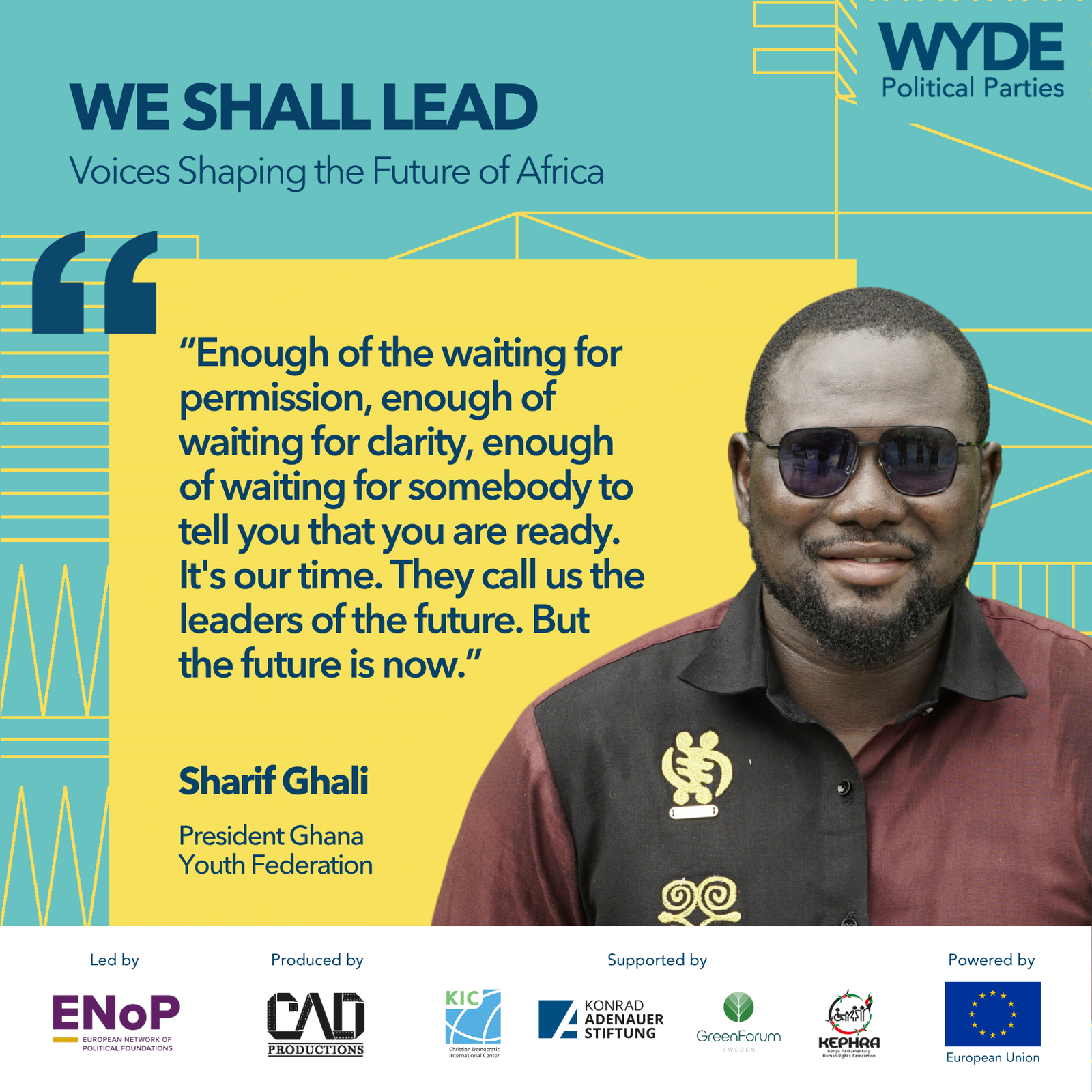
His argument raises an important question about the nature of youth participation in Ghanaian democracy: are young people being given opportunities to shape decisions, or are they simply being represented in structures where their voices carry limited influence?
For many emerging leaders, meaningful political participation should extend beyond election campaigns, public consultations and ceremonial appointments. It should include access to leadership opportunities, policy discussions and institutional responsibilities.
The question of inclusive leadership also extends to women, who continue to encounter structural and institutional barriers when pursuing leadership positions.
Hariratah Ibrahim Doudu, Vice President of the SRC of the Ghana School of Law, highlighted some of these challenges, noting that political and leadership structures have historically not been sufficiently accommodating of women.
Reflecting on her experience, she recalled that no woman had attempted to contest the SRC vice-presidency for more than five years before her decision to run, despite women constituting the majority of students at the institution.
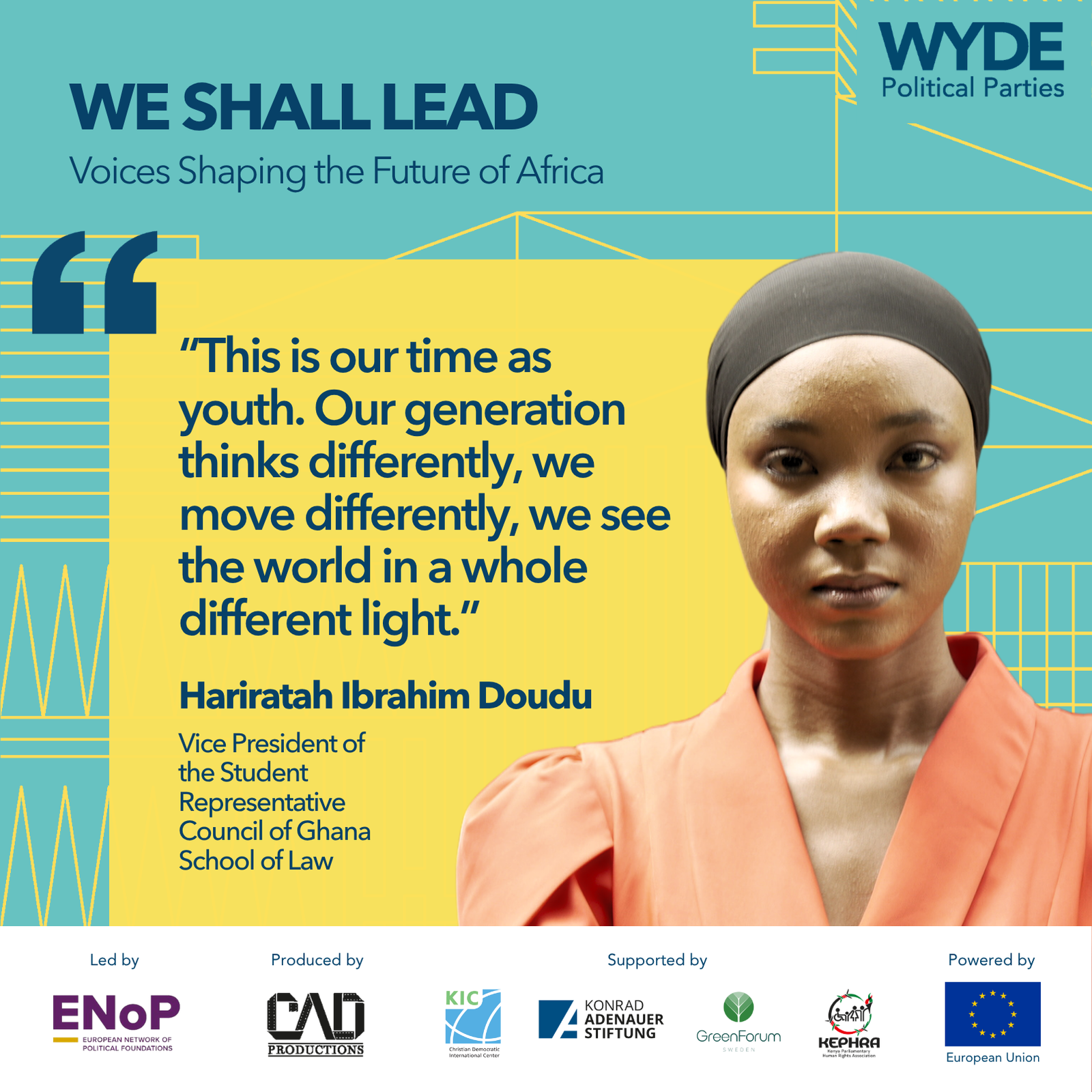
Her decision to contest the position was therefore significant, not only as a personal leadership ambition but also as an opportunity to challenge established perceptions about women’s participation in leadership.
She observed that sustained support and deliberate efforts are required to create an environment in which women can compete for leadership positions without being discouraged by institutional barriers and societal expectations.
Her experience demonstrates that inclusive governance must address not only the representation of women but also the conditions that enable them to participate, compete and lead effectively.
The issues raised by the three Ghanaian youth leaders form part of the broader conversations captured in *We Shall Lead: Voices Shaping the Future of Africa, an initiative under the European Union-funded Women and Youth Democratic Engagement (WYDE) Political Parties Project.
The project, led by the European Network of Political Foundations (ENoP) and implemented in Ghana by the Konrad-Adenauer-Stiftung (KAS) Ghana Office, seeks to strengthen the participation of women and young people in democratic processes through leadership development, mentorship and capacity-building initiatives.
The documentary also draws on experiences from Kenya and Uganda generating seven (7) participants in total, highlighting the importance of inclusive political participation across the African continent.
For Ghana, the message is particularly relevant at a time when youth unemployment, limited economic opportunities and demands for greater political representation continue to shape national conversations.
The country’s young population represents an important resource for economic transformation, innovation and democratic development. However, this potential can only be fully realized when young people have access to opportunities and are empowered to contribute meaningfully to decisions that affect their lives.