


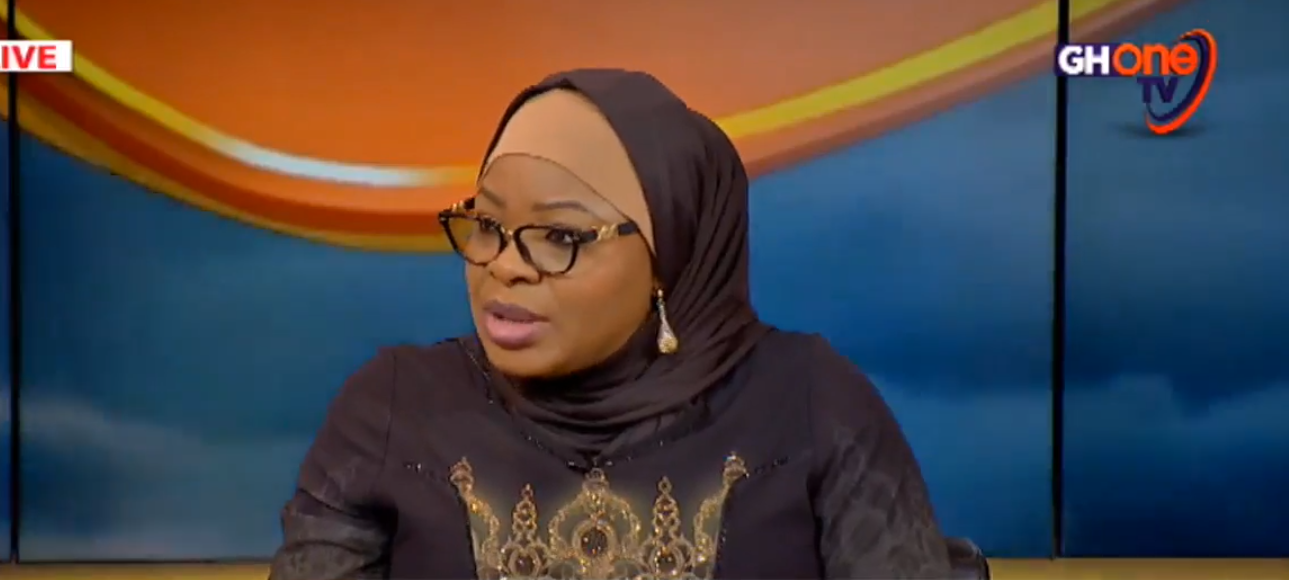
Deputy Presidential Spokesperson, Shamima Muslim has called for sweeping reforms in Ghana’s health sector following the tragic death of a young road accident victim, describing the incident as a stark reminder of systemic failures that must be urgently addressed.
Speaking with Lily Mohammed on GHOne TV, Shamima conveyed condolences to the bereaved family on behalf of President John Dramani Mahama and shared her personal grief over a similar loss in her own family.
“No amount of apologies can discount the heaviness of the moment that they are going through,” she said, underscoring the depth of pain experienced by the family.
According to her, the tragedy reinforces the need for a comprehensive overhaul of healthcare delivery, particularly emergency response systems. She disclosed that the Minister of Health has issued a directive prohibiting all health facilities from rejecting emergency cases under any circumstances.
She stressed that once a patient presents with a life-threatening condition, the health facility has an immediate duty of care to provide treatment.
Shamima also revealed that government is developing a digital platform to enable real-time tracking of hospital bed availability nationwide.
The system is expected to allow ambulances to determine the nearest facility with available space before transporting patients, helping to curb delays linked to the persistent “no-bed syndrome.”
“An ambulance ought not to pick a patient in crisis and be asking which hospital to go to,” she stated. “Our hospitals must speak to each other through connectivity.”
She explained that the Health Minister has identified deep-rooted systemic, structural, attitudinal and functional weaknesses within the sector that undermine effective emergency care. Financing, she noted, remains a major hurdle.
Shamima highlighted ongoing interventions, including the uncapping of statutory funds for the National Health Insurance Scheme (NHIS), settlement of arrears owed to service providers, and plans to establish the Ghana Medical Trust Fund to strengthen healthcare delivery.
However, she emphasized that funding alone will not resolve the crisis. Inefficiencies, negligence and corruption within the system, she said, must also be confronted to prevent further avoidable deaths.
Source: Starrfm.com.gh / Abigail Praise Pabai


