A former Member of Parliament for Tamale Central and private legal practitioner, Inusah Fuseini, has criticized the New Patriotic Party (NPP) for its stance on the recent suspension of Chief Justice Gertrude Torkonoo.
His comments come in the wake of President John Dramani Mahama’s decision to suspend the Chief Justice after preliminary investigations found sufficient grounds to probe three separate petitions calling for her removal from office.
The Minority in Parliament has sharply condemned the President’s decision, describing it as a “brazen judicial coup” and a reckless abuse of executive power.
In a statement issued on Monday, April 22, 2025, the Minority accused the President of political vindictiveness and of undermining the independence of the judiciary, particularly as there are ongoing legal challenges to the Chief Justice’s removal pending before the Supreme Court.
“This move is nothing short of a brazen judicial coup, a reckless abuse of executive power, and a direct assault on the independence of Ghana’s Judiciary,” the statement read.
The Minority further contended that suspending the Chief Justice while related cases remain unresolved is a violation of due process and constitutes executive overreach.
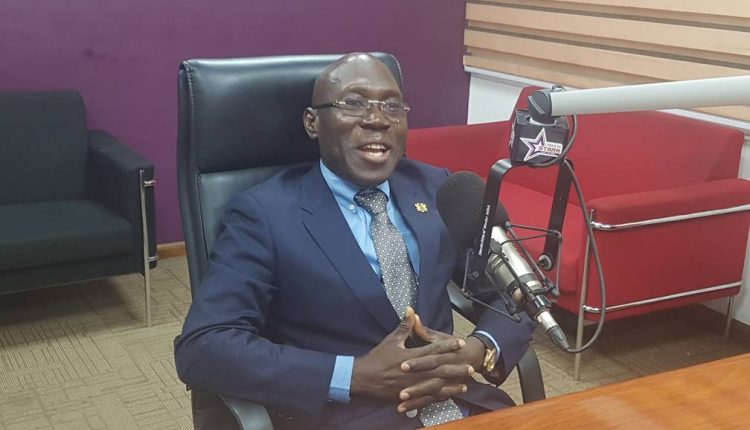
However, Mr. Fuseini, speaking on Morning Starr with Joshua Kodjo Mensah, questioned the Minority’s intense interest in defending the Chief Justice.
According to him, the NPP’s actions lend credence to perceptions of political bias within the judiciary.
Mr. Fuseini emphasized that Article 146 of the Constitution clearly outlines the procedure for the removal of a Chief Justice and, so far, that process has not been compromised.
He said, “Why is that the minority has decided is how to defend the Chief Justice. And every day their actions are etching into the minds of people the perception that the Chief Justice is sympathetic to the NPP. And that is bad for the Chief Justice. Because Article 40, 146 is very clear and so far, the integrity of the system has not been breached or compromised. In fact, even in the situation where the Chief Justice did not have a right to be given the petition for her response, when she asked for the petition to be given to her in order to prepare her response, the President obliged.”