


The Advisor to the Minister for Lands and Natural Resources, Prof. Jerry Kumah has emphasized the need to engage with the Upper East Regional house of chiefs with the deliberate intention of harnessing their collective expertise and insights, which will subsequently inform the formulation of a comprehensive report to be presented to Parliament.
This report will, in turn, serve as a foundational document for stakeholder deliberations aimed at refining the legislative framework, thereby ensuring that the resultant policy is both efficacious and prescient, He said.
Prof. Kumah emphasized that the regulatory framework governing the mining sector in Ghana is vested in the Ministry of Lands and Natural Resources, the Minerals Commission, and the Health Agency, which are mandated to ensure compliance with the country’s Constitution.
The Minerals and Mining Law Act 2006 (Act 703) and its amendments, which have been in effect for nearly two decades, require a comprehensive review to align with contemporary global trends, national policies, and evolving best practices in the mining sector. Similarly, the Minerals and Mining Policy of 2014, which is now over 11 years old, necessitates a review, given that it was initially intended to be reviewed every five years.
He underscored the paramount importance of active participation from all attendees, as their contributions are pivotal in shaping a policy that is at once comprehensive, well-informed, and tailored to meet the diverse needs of all stakeholders.
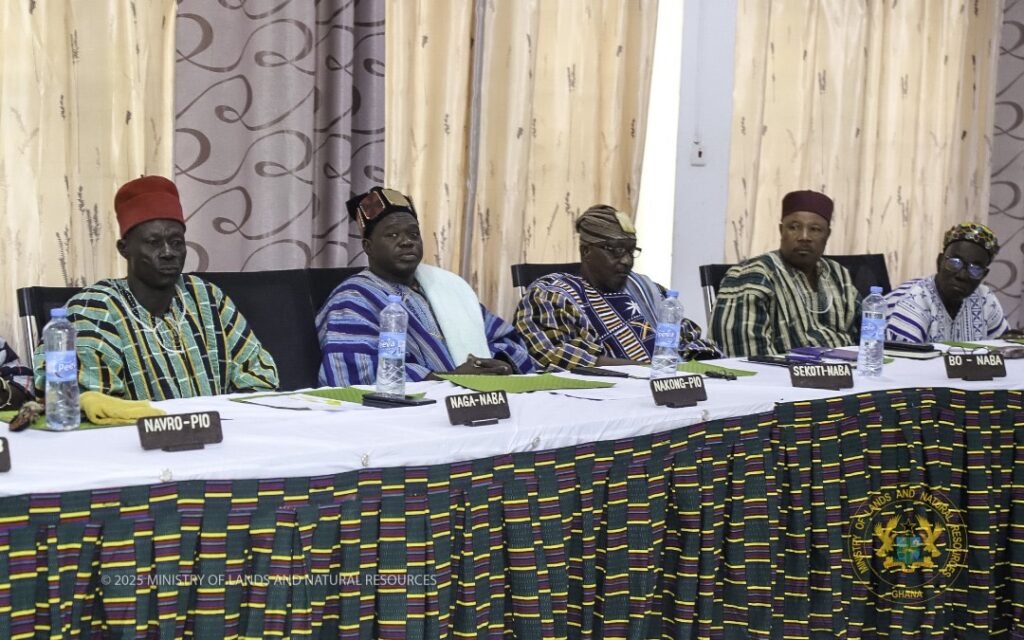
“In this regard, I would like to express my profound gratitude to each and every one of you for your presence and engagement in this critical stakeholder meeting, and to acknowledge the invaluable role that you will play in shaping the future of our mining sector.”
Mr. Benjamin Aryee, former Chief Executive Officer of the Minerals Commission and Advisor to the Minister, presented a comprehensive review of the 2014 Mining Policy, highlighting salient new provisions. These include the introduction of a Green/Critical Minerals Policy, which underscores the imperative of sustainable mining practices, as well as emerging global trends such as climate change and the increasing importance of Environment, Social, and Governance (ESG) standards.
Additionally, the review touches on government policies, including the innovative concept of Cooperative Mining and the recategorization of mining, with the establishment of a medium-scale category.
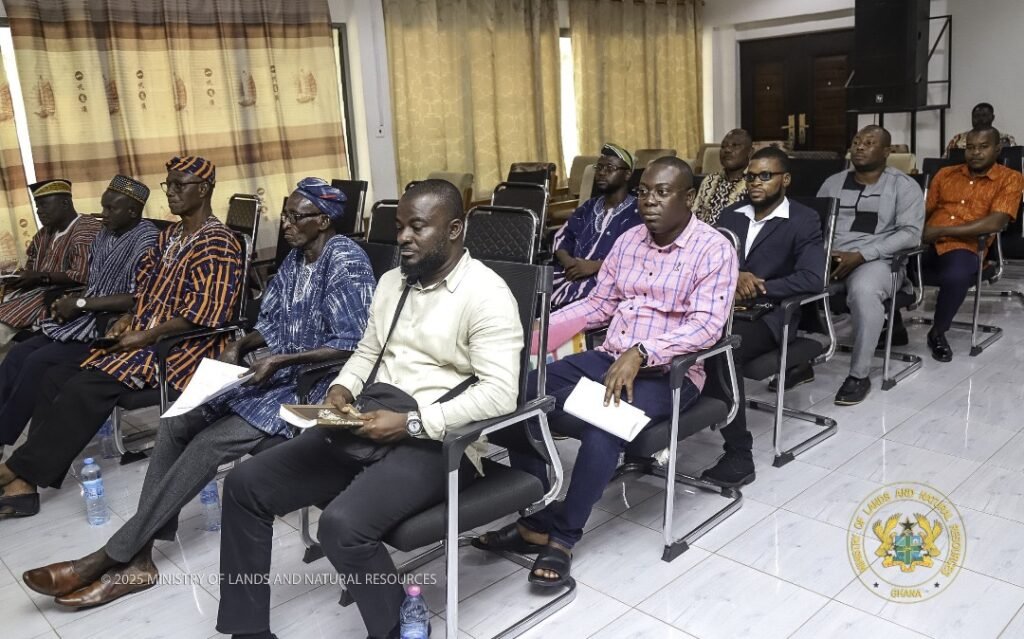
He emphasized that the confluence of emerging global trends, such as climate change and the growing significance of transition minerals, coupled with the challenges encountered during the implementation of the policy over the past decade, necessitates a paradigm shift in Ghana’s approach to mining.
The Minerals and Mining Policy is guided by several notable principles, including:
- Local Content: Fostering the development and participation of local stakeholders in the mining sector.
- Transparency and Accountability: Ensuring that mining operations are conducted with transparency and accountability, thereby promoting trust and confidence among stakeholders.
- Equitable Development: Promoting equitable development and respecting the rights of communities that host mineral resources, thereby ensuring that the benefits of mining are shared fairly.

Effective consultation with mining communities is a crucial aspect of the mineral licensing process, as it enables the government to achieve its objectives, including:
- Socially Acceptable Balance: Striking a balance between mining and environmental protection, within the regulatory framework.
- Occupational Health and Safety: Minimizing occupational health and safety hazards associated with mining.
- Elimination of Child Labour: Prohibiting child labour in mining, in accordance with international best practices.
- Environmental Protection: Implementing measures to reduce the environmental impact of mining, including the use of mercury-free machines in artisanal and small-scale mining (ASM), as per the Minamata Convention.
- Public Health: Reducing the incidence of diseases such as HIV/AIDS, malaria, tuberculosis, silicosis, and other pandemics, including Mpox, in mining communities.
- Revenue Sharing: Ensuring a fair sharing of revenues generated from mining, while attracting investment into the sector.
- Technology Promotion: Promoting the use of appropriate, safe, and affordable technology in mining, while maintaining adequate standards for ASM to benefit both investors/operators and host communities.
- Value Chain Development: Adopting an entire value chain perspective, supporting infrastructure development, and promoting sustainable development in the mining sector.
Josef Iroko, Manager in charge of Legal highlighted on the Proposed Amendment of Mineral and mining ACT, 2006 ( 703) He emphasized the need to incorporate a gender-sensitive approach, ensuring the mainstreaming of gender considerations in the mining industry.
He further delivered a comprehensive overview of the Minerals and Mining Law, Act 2006 (Act 703), and delineated the salient amendments to Ghana’s mining laws. These amendments encompass several pivotal provisions, including:
- Community Development Agreement (CDA): Allocating 1% of mining companies’ revenue to foster community development in an equitable manner, thereby ensuring that local communities derive tangible benefits from mining activities.
- Medium-Scale Mining Category: Introducing a novel classification that bridges the hiatus between small-scale and large-scale mining operations, providing clearer qualification criteria for miners and facilitating a more nuanced approach to mining regulation.
- Review of Existing Contracts: Renegotiating extant mining contracts to ensure fairness and alignment with national interests, thereby safeguarding the country’s economic well-being and promoting transparency in mining operations.
- Environmental and Operating Permits: Mandating mineral right holders to obtain an Environmental Permit from the Environmental Protection Authority and an Operating Permit from the Chief Inspector of Mines prior to commencing mining activities, thereby ensuring compliance with environmental and safety standards.
- Prospecting Licenses and Mining Leases: Limiting prospecting licenses to a maximum duration of nine years and capping mining leases at fifteen years, thereby striking a balance between exploration and exploitation.
- Decentralization: Decentralizing the Minerals Commission’s services to bring them closer to mining communities and improve support for small-scale miners, thereby enhancing accessibility and efficiency.
- Local Content Development: Ensuring that local communities benefit meaningfully from mining operations, thereby promoting inclusive development and maximizing the positive impacts of mining.
- Fiscal Transparency: Reforming fiscal policies to ensure fair revenue distribution and improved financial governance, thereby enhancing accountability and transparency in the mining sector.
These amendments are designed to create a more inclusive, transparent, and sustainable mining sector that contributes to Ghana’s national development. The review process involves extensive consultations with a wide range of stakeholders, including regional houses of chiefs, academia, civil society organizations, and small-scale miners.
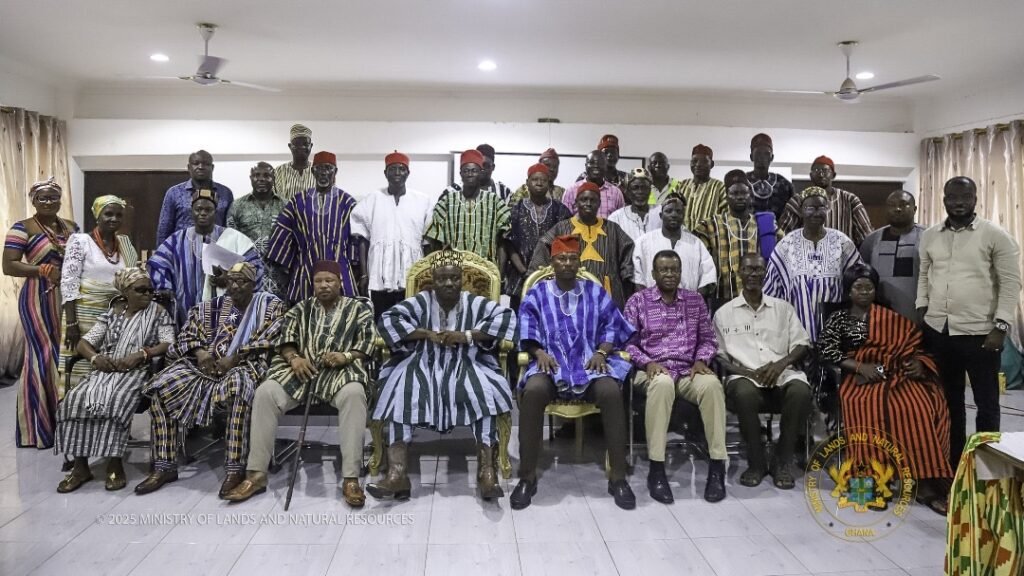
The President of the Upper East Regional house of Chiefs, Pe Ditundini Adiali Ayagitam III , expressed his unequivocal support for the proposed legislative amendment, underscoring the government’s steadfast commitment to inclusive policy formulation and the pivotal role that traditional leadership plays in configuring Ghana’s mining terrain.
“We take pride in being integral to this discourse and are enthusiastic about contributing to the future trajectory of responsible mining in our nation, thereby ensuring a sustainable and equitable exploitation of our mineral resources.” The Chief added.
He noted that the gathering presents a valuable occasion for the traditional custodians of the land to proffer their expertise and insights regarding the proposed amendments to the Minerals and Mining Act, 2006 (Act 703) and Ghana’s Mining Policy. We applaud the government’s adoption of a consultative approach, which acknowledges our paramount role in land management and community well-being.
A perennial concern that we, as traditional leaders, encounter is the inadequate consultation during the issuance of mining leases, particularly to large-scale companies.
Frequently, we are apprised of critical decisions only after they have been finalized, which not only disregards our authority but also erodes community trust, thereby underscoring the need for a more inclusive and participatory approach to decision-making.
Source: Starrfm.com.gh/Isaac Justice bediako


