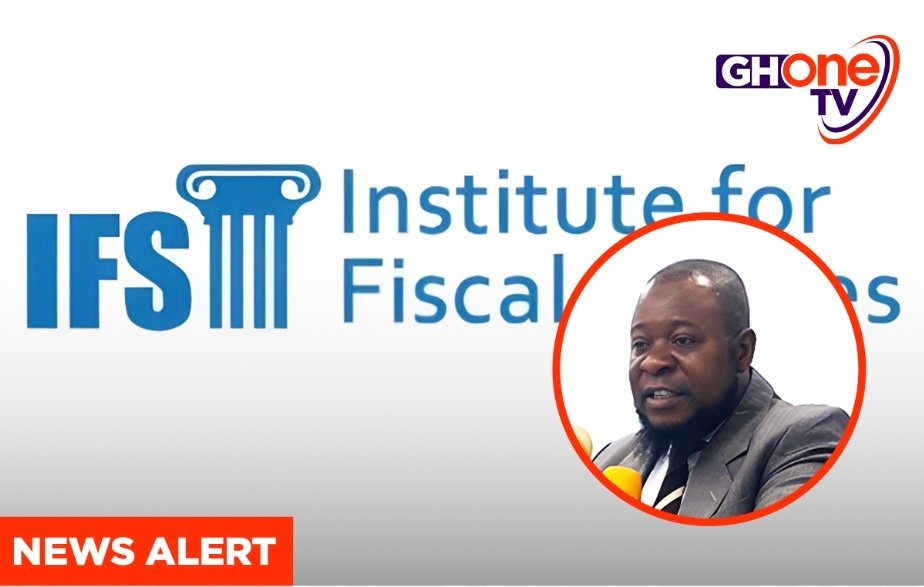
The Institute for Fiscal Studies (IFS) has recommended the creation of a Rice Development Board (RDB) to lead government-driven efforts to reform Ghana’s rice industry and reduce the nation’s reliance on rice imports.
At a stakeholder meeting held at the IFS head office in Accra, Acting Executive Director, Dr. Said Boakye, shared insights from an IFS study, highlighting Ghana’s potential to significantly boost rice production.
“Rice production is the key. Increasing both the quality and quantity of locally grown rice will enable us to replace imported rice. The issue is not land availability – our lands can produce quality rice – but rather the quality of rice seeds. That is why we recommend that the Rice Development Board take charge,” he said.
Dr. Boakye also outlined key challenges hampering growth in the rice sector, including limited fertilizer use, poor seed quality, underdeveloped irrigation systems, and a lack of mechanization; all of which affect yields.
“Water availability is critical for rice farming, and mechanization is essential to achieve higher productivity,” he added.
Supporting the discussion, Brazilian Ambassador to Ghana H.E. Mariana Gonçalves Madeira emphasized the importance of political commitment. She pointed out that local rice production costs currently exceed those of imported rice.
“If imported rice remains cheaper, supermarkets like Melcom will continue to favor imports. This situation underscores the need for strong government will and policy pressure to encourage local production,” Ambassador Madeira said.
READ: President Mahama to host Grenadian Prime Minister Dickon Mitchell for bilateral talks
Meanwhile, Anthony Morrison, CEO of the Chamber of Agribusiness Ghana, stressed the importance of creating an enabling environment to attract educated youth into agriculture.
“Over 70% of our farmers lack formal education and struggle to adopt new technologies, which increases risks. To gain a competitive edge, we must provide conditions that encourage young people to engage in agriculture,” he noted.
The IFS’s proposal for a Rice Development Board aims to address these challenges by coordinating government interventions across the rice value chain, fostering increased production, improving infrastructure, and promoting youth involvement – all critical steps toward ensuring Ghana’s food security and reducing reliance on imports.
Source: Starrfm.com.gh/Christabel Afful