The International Monetary Fund has underlined the substantial contribution of Ghana’s Domestic Gold Purchase Programme (DGPP) to safeguarding the economy at a critical moment, confirming that the initiative played an important role in stabilising the cedi and boosting international reserves.
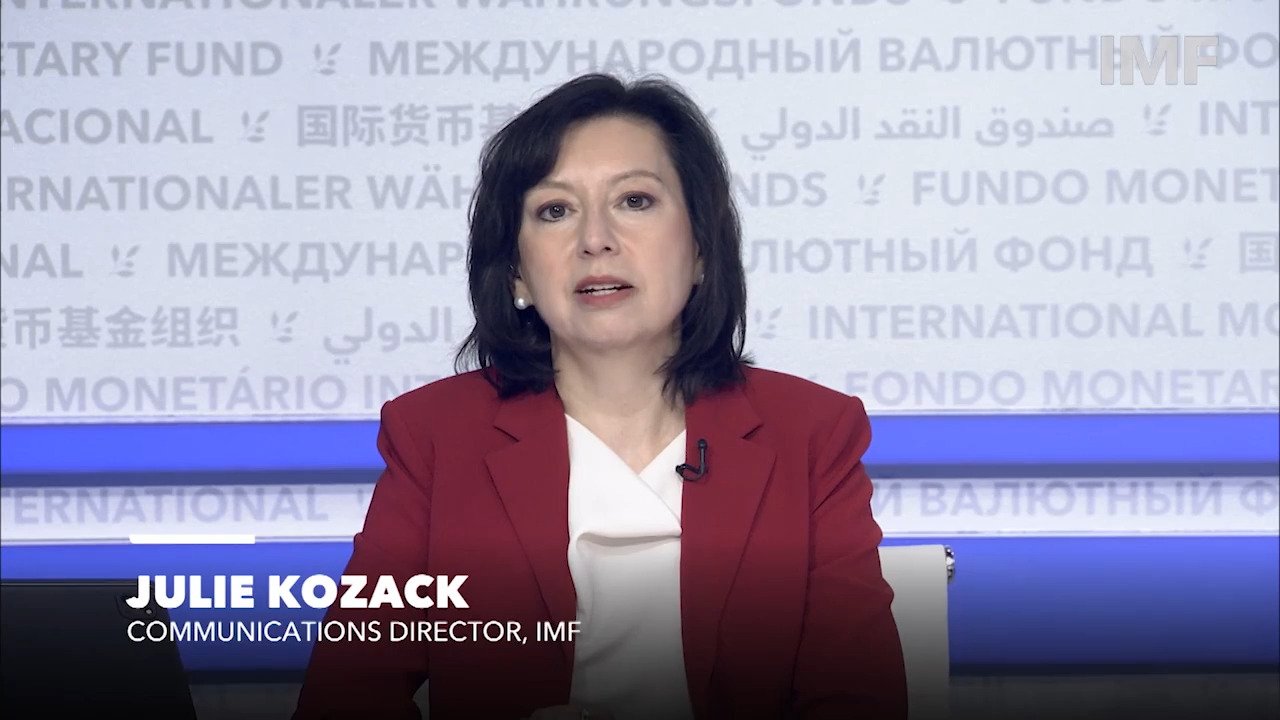
IMF Communication Director Julie Kozak, speaking in Washington during the Fund’s latest briefing, directly addressed questions about the Fifth Review Staff Report and the programme’s treatment within the document.
She stated emphatically that the IMF acknowledged both the benefits and associated costs of the DGPP, a clarification that brings fresh context to the public debate sparked by the $214 million in recorded “quasi-fiscal losses.”
Kozak highlighted that the DGPP helped shore up the Bank of Ghana’s reserves and ease pressure on Ghana’s foreign currency market during one of the most challenging economic periods in the country’s recent history.
“On the benefit side, what we see is a contribution to a buildup of international reserves and reduced pressure on the foreign exchange market during a difficult period for Ghana,” she said, underscoring the stabilising effect of the programme during the height of the crisis.
Her comments reinforce the position earlier stated by the Ghana Gold Board, which clarified that the $214 million flagged by the IMF was neither a Goldbod loss nor evidence of programmefailure.
The IMF’s own language confirms this, describing the figure as a quasi-fiscal loss, not a realised operational deficit borne by the Goldbod or any single institution.
Kozak explained that the reported losses stemmed from trading margins, fees and exchange rate movements, predictable elements within the structure of commodity-backed liquidity operations and stressed the importance of proper accounting treatment to preserve the effectiveness of the central bank.
The IMF has therefore advised that future entries be reflected transparently on the national budget, rather than on the Bank of Ghana’s balance sheet, to protect the central bank’s core policy mandate.
Her remarks come days after the Governor of the Bank of Ghana appeared before Parliament’s Public Accounts Committee and announced that stakeholders including Goldbod will meet to strengthen and reform the Domestic Gold Purchase Programmefollowing the IMF review.
That process is expected to include improved governance frameworks and clearer operational alignment between government, BoG and the Ghana Gold Board.
For Goldbod, the IMF’s confirmation represents a significant validation of its position. The institution has consistently maintained that the DGPP was designed to support macroeconomic stabilisation while creating more direct value from Ghana’s gold resources, not to generate trading profit in the short term.
By explicitly crediting the programme with helping build reserves and stabilise the currency, the IMF has now publicly affirmed what Goldbod has long stated: the DGPP was a strategic intervention that delivered its primary objectives at a moment of crisis.
As the reform process advances, the Ghana Gold Board remains committed to strengthening transparency, deepening cooperation with the central bank, and ensuring that future phases of the DGPP are even more efficient, accountable and economically beneficial.
Not a Goldbod Loss: IMF Clarifies $214m Figure as Policy Accounting
The International Monetary Fund has underlined the substantial contribution of Ghana’s Domestic Gold Purchase Programme(DGPP) to safeguarding the economy at a critical moment, confirming that the initiative played an important role in stabilising the cedi and boosting international reserves.
IMF Communication Director Julie Kozak, speaking in Washington during the Fund’s latest briefing, directly addressed questions about the Fifth Review Staff Report and the programme’s treatment within the document.
She stated emphatically that the IMF acknowledged both the benefits and associated costs of the DGPP, a clarification that brings fresh context to the public debate sparked by the $214 million in recorded “quasi-fiscal losses.”
Kozak highlighted that the DGPP helped shore up the Bank of Ghana’s reserves and ease pressure on Ghana’s foreign currency market during one of the most challenging economic periods in the country’s recent history.
“On the benefit side, what we see is a contribution to a buildup of international reserves and reduced pressure on the foreign exchange market during a difficult period for Ghana,” she said, underscoring the stabilising effect of the programme during the height of the crisis.
Her comments reinforce the position earlier stated by the Ghana Gold Board, which clarified that the $214 million flagged by the IMF was neither a Goldbod loss nor evidence of programmefailure.
The IMF’s own language confirms this, describing the figure as a quasi-fiscal loss, not a realised operational deficit borne by the Goldbod or any single institution.
Kozak explained that the reported losses stemmed from trading margins, fees and exchange rate movements, predictable elements within the structure of commodity-backed liquidity operations and stressed the importance of proper accounting treatment to preserve the effectiveness of the central bank.
The IMF has therefore advised that future entries be reflected transparently on the national budget, rather than on the Bank of Ghana’s balance sheet, to protect the central bank’s core policy mandate.
Her remarks come days after the Governor of the Bank of Ghana appeared before Parliament’s Public Accounts Committee and announced that stakeholders including Goldbod will meet to strengthen and reform the Domestic Gold Purchase Programmefollowing the IMF review.
That process is expected to include improved governance frameworks and clearer operational alignment between government, BoG and the Ghana Gold Board.
For Goldbod, the IMF’s confirmation represents a significant validation of its position. The institution has consistently maintained that the DGPP was designed to support macroeconomic stabilisation while creating more direct value from Ghana’s gold resources, not to generate trading profit in the short term.
By explicitly crediting the programme with helping build reserves and stabilise the currency, the IMF has now publicly affirmed what Goldbod has long stated: the DGPP was a strategic intervention that delivered its primary objectives at a moment of crisis.
As the reform process advances, the Ghana Gold Board remains committed to strengthening transparency, deepening cooperation with the central bank, and ensuring that future phases of the DGPP are even more efficient, accountable and economically beneficial.
The International Monetary Fund has underlined the substantial contribution of Ghana’s Domestic Gold Purchase Programme (DGPP) to safeguarding the economy at a critical moment, confirming that the initiative played an important role in stabilising the cedi and boosting international reserves.
IMF Communication Director Julie Kozak, speaking in Washington during the Fund’s latest briefing, directly addressed questions about the Fifth Review Staff Report and the programme’s treatment within the document.
She stated emphatically that the IMF acknowledged both the benefits and associated costs of the DGPP, a clarification that brings fresh context to the public debate sparked by the $214 million in recorded “quasi-fiscal losses.”
Kozak highlighted that the DGPP helped shore up the Bank of Ghana’s reserves and ease pressure on Ghana’s foreign currency market during one of the most challenging economic periods in the country’s recent history.
“On the benefit side, what we see is a contribution to a buildup of international reserves and reduced pressure on the foreign exchange market during a difficult period for Ghana,” she said, underscoring the stabilising effect of the programme during the height of the crisis.
Her comments reinforce the position earlier stated by the Ghana Gold Board, which clarified that the $214 million flagged by the IMF was neither a Goldbod loss nor evidence of programme failure.
The IMF’s own language confirms this, describing the figure as a quasi-fiscal loss, not a realised operational deficit borne by the Goldbod or any single institution.
Kozak explained that the reported losses stemmed from trading margins, fees and exchange rate movements, predictable elements within the structure of commodity-backed liquidity operations and stressed the importance of proper accounting treatment to preserve the effectiveness of the central bank.
The IMF has therefore advised that future entries be reflected transparently on the national budget, rather than on the Bank of Ghana’s balance sheet, to protect the central bank’s core policy mandate.
Her remarks come days after the Governor of the Bank of Ghana appeared before Parliament’s Public Accounts Committee and announced that stakeholders including Goldbod will meet to strengthen and reform the Domestic Gold Purchase Programmefollowing the IMF review.
That process is expected to include improved governance frameworks and clearer operational alignment between government, BoG and the Ghana Gold Board.
READ: IMF cautions against holding Domestic Gold Purchase Program losses on BoG Balance Sheet
For Goldbod, the IMF’s confirmation represents a significant validation of its position. The institution has consistently maintained that the DGPP was designed to support macroeconomic stabilisation while creating more direct value from Ghana’s gold resources, not to generate trading profit in the short term.
By explicitly crediting the programme with helping build reserves and stabilise the currency, the IMF has now publicly affirmed what Goldbod has long stated: the DGPP was a strategic intervention that delivered its primary objectives at a moment of crisis.
As the reform process advances, the Ghana Gold Board remains committed to strengthening transparency, deepening cooperation with the central bank, and ensuring that future phases of the DGPP are even more efficient, accountable and economically beneficial.