The United Nations World Food Programme (WFP), with support from the UK’s Foreign, Commonwealth & Development Office (FCDO) and dsm-firmenich, is expanding the use of fortified rice in Ghana’s public and private school feeding programmes.
The initiative aims to improve child nutrition, learning outcomes, and strengthen local rice production.
In partnership with the Ghana School Feeding Programme (GSFP), the Ghana Education Service (GES), the Ghana Health Service (GHS), and Women in Agriculture Development (WIAD), WFP currently covers schools in seven regions.
Large-scale rice fortification, achieved by adding essential vitamins and minerals during milling or heat extrusion, is widely recognised as a method to prevent micronutrient deficiencies among populations relying heavily on rice.
The pilot programme reaches 157,510 learners—111,247 in basic schools and 46,263 in senior high schools (SHSs)—across 365 basic schools and 35 SHSs in six regions: Upper West, Upper East, Northern, Ashanti, Oti, and Greater Accra.
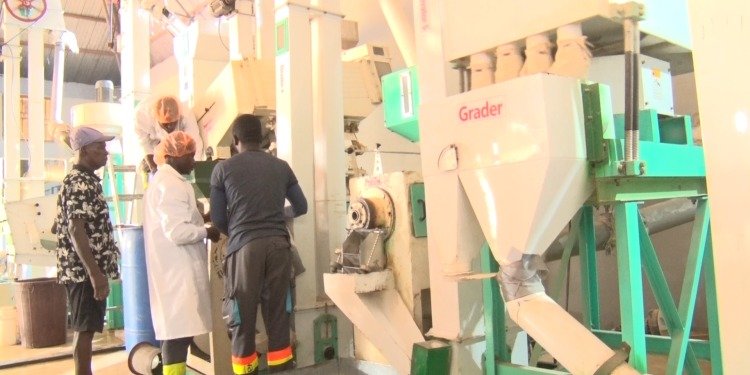
WFP has also invested in domestic fortification capacity, delivering four rice fortification machines worth over USD 80,000 to mills in the Upper East, Ashanti, Greater Accra, and North-East regions.
Three mills have already received 60 metric tonnes of fortified rice kernels (FRK), valued at over USD 91,000, for school distribution.
In 2025, BBN Cooperative (Upper East) and Ko Franco Farms (Ashanti) supplied 170 MT of fortified rice and 61.7 MT of parboiled unpolished rice to selected SHSs. Max Industries is preparing 200 MT for private schools and WFP livelihood programmes targeting women, children, and adolescents.
The programme has also reached low-fee-paying private schools in Northern Ghana, currently covering 208 schools with over 60,000 children. So far, 123 MT of fortified rice has reached 58,991 pupils, with schools reporting a 7.9% increase in enrolment.
To ensure efficiency, WFP has introduced a hybrid cash-and-value voucher system, expanded trained food retailers from four to 31, established School Implementation Committees, and digitised monitoring through the School Connect platform.
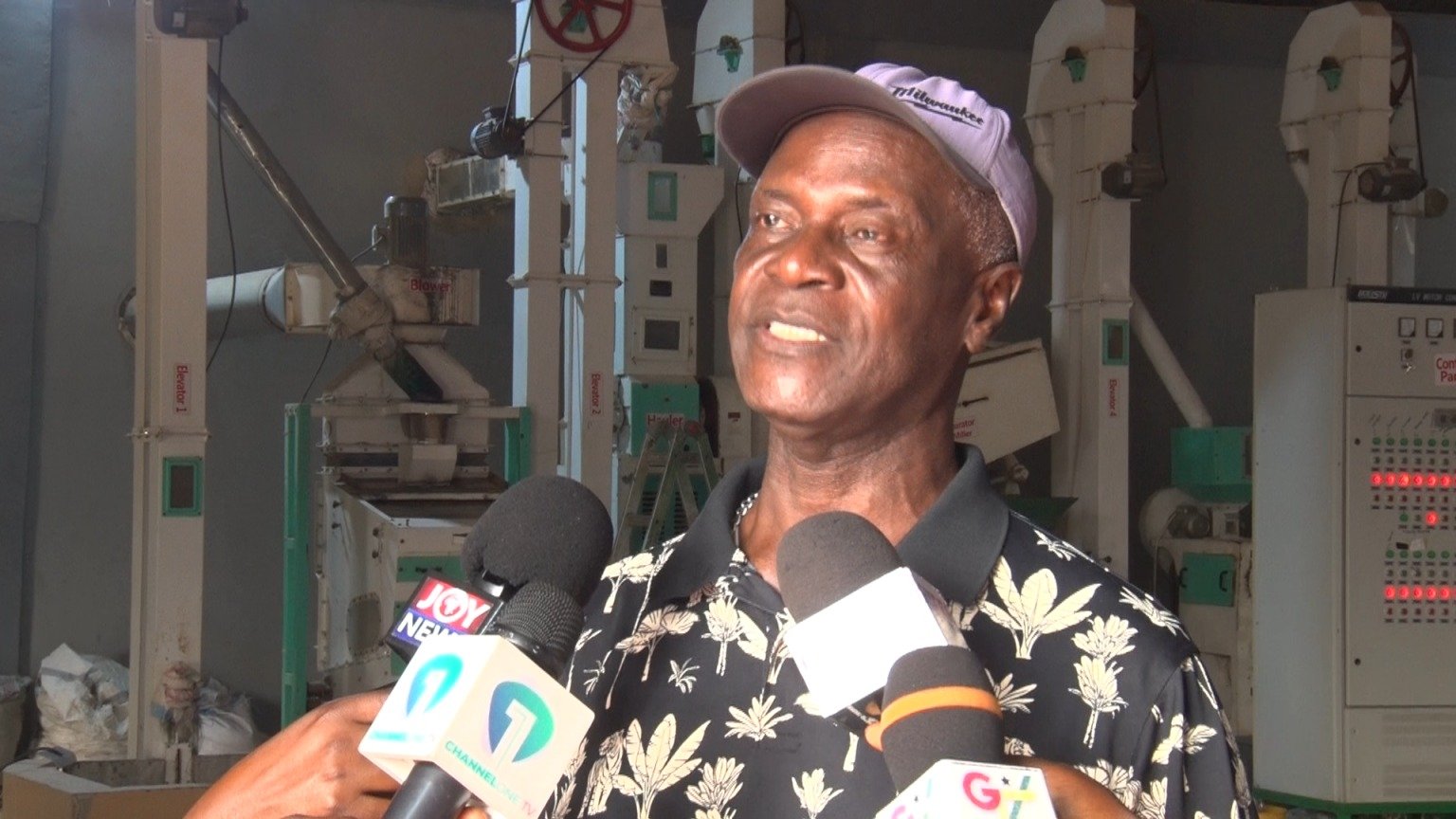
During a visit to Franco Food Processing and Farms in Ejisu, Production Manager Solomon Osei Sarfo explained the milling process.
“Polishing, while improving the appearance of rice, removes the nutrient-rich bran layer. Because of the preference for white rice, we end up removing the most nutritious part of the grain.”
He added that WFP’s fortified rice kernels retain nutrients even after repeated washing, unlike powdered fortificants. “This is a game changer for rice fortification in our sub-region.”
CEO Franco Obour said his company, launched in 2020, was selected by WFP to participate in the programme. “We are among only three companies in the country selected for this,” he said, noting that the initiative promotes the use of locally produced rice rather than imports. Franco Farms has already supplied its first 45 MT of fortified rice, with NAFCO purchasing for SHSs and ongoing discussions to integrate basic schools fully.
WFP and partners say the initiative has strong potential to improve nutrition, educational outcomes, and support Ghana’s local rice value chain, with the possibility of nationwide scale-up in the future.
Source: Starrfm.com.gh/Isaac Justice Bediako