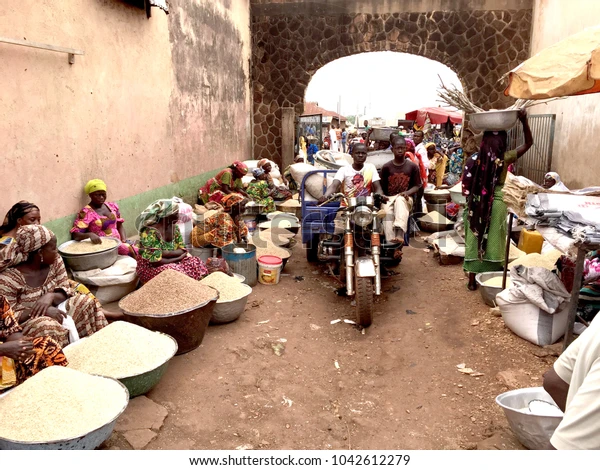
Residents of Tamale are raising concerns over the persistent high cost of food sold by vendors despite a significant drop in the prices of major food commodities over the past year.
Staple items such as maize, rice, millet, cassava, and beans have recorded sharp price reductions, according to data from the Ghana Statistical Service and the Statistics Department of the Tamale Metropolitan Assembly. However, the prices of prepared foods such as tuo zaafi (TZ), banku, kenkey, and porridge have largely remained unchanged.
A survey conducted by the Northern Accelerated Intervention for Development (NAID), in collaboration with the Statistics Department of the Tamale Metropolitan Assembly, indicates that while input costs have reduced, consumers are yet to benefit from lower food prices at vendor shops.
The survey, carried out between December 29 and 31, 2025, at the Aboabu Market in Tamale, involved 18 participants, including foodstuff sellers, vendors and consumers.
Findings show that the price of maize dropped from GH¢900 in December 2024 to GH¢350 in December 2025. Beans fell from GH¢3,000 to GH¢1,500, while millet reduced from GH¢1,400 to GH¢600. Guinea corn (sorghum) also declined from GH¢1,000 to GH¢550 within the same period.
Local rice per bowl fell from GH¢30 to GH¢20, while a 50kg bag of imported rice dropped from GH¢800 to GH¢450. Tomatoes sold in wooden crates reduced from GH¢1,800 to GH¢900, and a bag of pepper dropped from GH¢900 to GH¢300.
Other items such as ice fish, charcoal and cooking gas also recorded price reductions, although prices of fuel wood and some varieties of ice fish continue to fluctuate due to demand and supply dynamics.
Despite the drop in commodity prices, the cost of prepared food remains high across the metropolis.
A ball of TZ, banku or kenkey is still commonly sold at GH¢5, with some vendors charging GH¢7 for kenkey. Porridge, which is widely consumed by low-income households, now sells for GH¢3 and above.
Civil society groups say the situation is placing additional strain on vulnerable residents in a city with a high proportion of low-income earners.
NAID has appealed to food vendors, particularly women-led trader associations, to adjust their prices to reflect current market realities.
The organisation also called on the Tamale Metropolitan Assembly, traditional authorities, religious leaders, youth groups and women’s advocates to engage food vendors and encourage fair pricing to ease the burden on consumers.
According to NAID, lowering food prices at vendor shops would improve living conditions for residents and promote social responsibility within the community.
COMMODITIES PRICES OF FOOD STUFFS AS AT DECEMBER 2024 AND DECEMBER 2025 IN TAMALE
| ITEMS | FOOD STUFF | 31ST DECEMBER, 2024 PRICES (GHC) | 31ST DECEMBER ,2025 PRICES (GHC) |
| 1. | Maize | 900.00 | 350.OO |
| 2. | Beans | 3000.00 | 1500.00 |
| 3. | Millet | 1400.00 | 600.00 |
| 4. | Guinea Corn (Sorghum) | 1000.00 | 550.00 |
| 5. | Local Rice (Bowl) | 30.00 | 20.00 |
| 6. | 50kg Imported Rice | 800.00 | 450.00 |
| 7. | Tomatoes (Wooden crate) | 1800.00 | 900.00 |
| 8. | A bag of pepper | 900.00 | 300.00 |
| 9. | Ice fish (Amani) carton | 650.00 | 500.00 |
| 10. | A bag of Charcoal | 200.00 | 120 |
| 11. | 14 kg of Gas | 270.00 | 210.00 |
Source: Ghana Statistical Service, Statistic Department, Tamale Metropolitan Assembly
Mohammed Saani Iddrisu
Executive Director
Northern Accelerated Intervention for Development
Email: naidghana@gmail.com
website: www.naidgh.org
Contact: 0246171426/0205307833