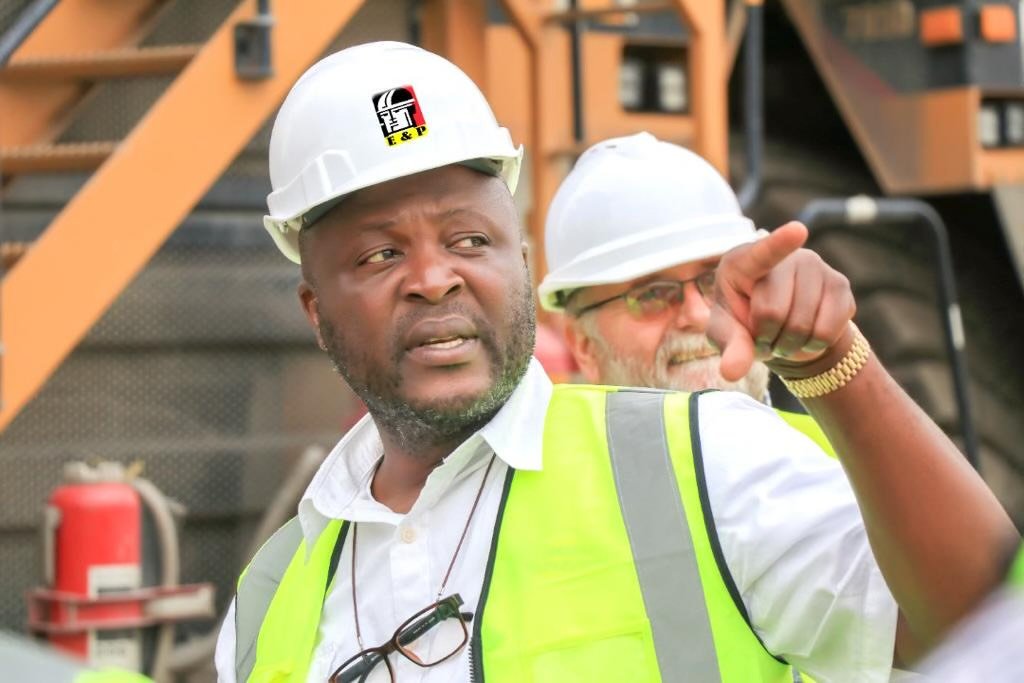
New Patriotic Party (NPP) Bono Regional Chairman Kwame Baffoe, popularly known as Abronye DC, has advocated greater Ghanaian ownership of the country’s mineral resources, citing the performance of Engineers & Planners at the Damang Mine.
Abronye argued that the development undertaken by Engineers & Planners at Damang surpasses what multinational mining company Newmont has delivered in the Ahafo area over the past 20 years.
His comments amount to an endorsement of Ghanaian businessman Ibrahim Mahama, whose company, Engineers & Planners, took over the Damang Mine in April 2026 following a competitive selection process after the expiration of the previous mining lease held by Gold Fields.
According to Abronye, Ghana stands to gain more from its mineral resources when capable local entrepreneurs are given greater opportunities to invest in and manage mining operations.
He maintained that indigenous ownership could help retain more of the economic benefits of mining within the country, while creating jobs, supporting local communities and improving living conditions for ordinary Ghanaians.
Abronye revisits opposition to Ibrahim Mahama’s bauxite concession
Abronye also acknowledged his previous involvement in efforts to prevent Ibrahim Mahama’s business interests from securing access to the Nyinahin bauxite concession in the Ashanti Region.
In 2017, he was among those who opposed the mining lease granted to Exton Cubic Group Limited, which had engaged Engineers & Planners to undertake prospecting activities at Nyinahin.
The controversy generated political and legal debate over the company’s access to the bauxite deposits.
His latest remarks mark a shift from his earlier opposition to Ibrahim Mahama’s involvement in the mining sector, particularly given his position as a prominent NPP figure.
Renewed debate over indigenous mining ownership
Abronye’s comments have brought renewed attention to the debate over local participation in Ghana’s mining industry and the extent to which the country’s mineral wealth benefits its citizens.
His comparison of Engineers & Planners’ activities at Damang with Newmont’s operations in Ahafo also raises questions about the developmental contributions of mining companies to communities that host large-scale mining operations.
While multinational mining companies have played a significant role in Ghana’s gold industry, advocates of greater indigenous participation argue that local ownership can provide opportunities to retain more value within the domestic economy.
Engineers & Planners has outlined development ambitions for Damang, including proposed improvements in transportation, healthcare and recreational facilities.
Abronye’s endorsement adds a political dimension to the discussion, given his previous criticism of Ibrahim Mahama and his business interests.
His position underscores the debate over whether Ghana should expand opportunities for indigenous investors to control strategic mineral assets and how the performance of mining companies should be assessed in terms of employment, local investment and community development.