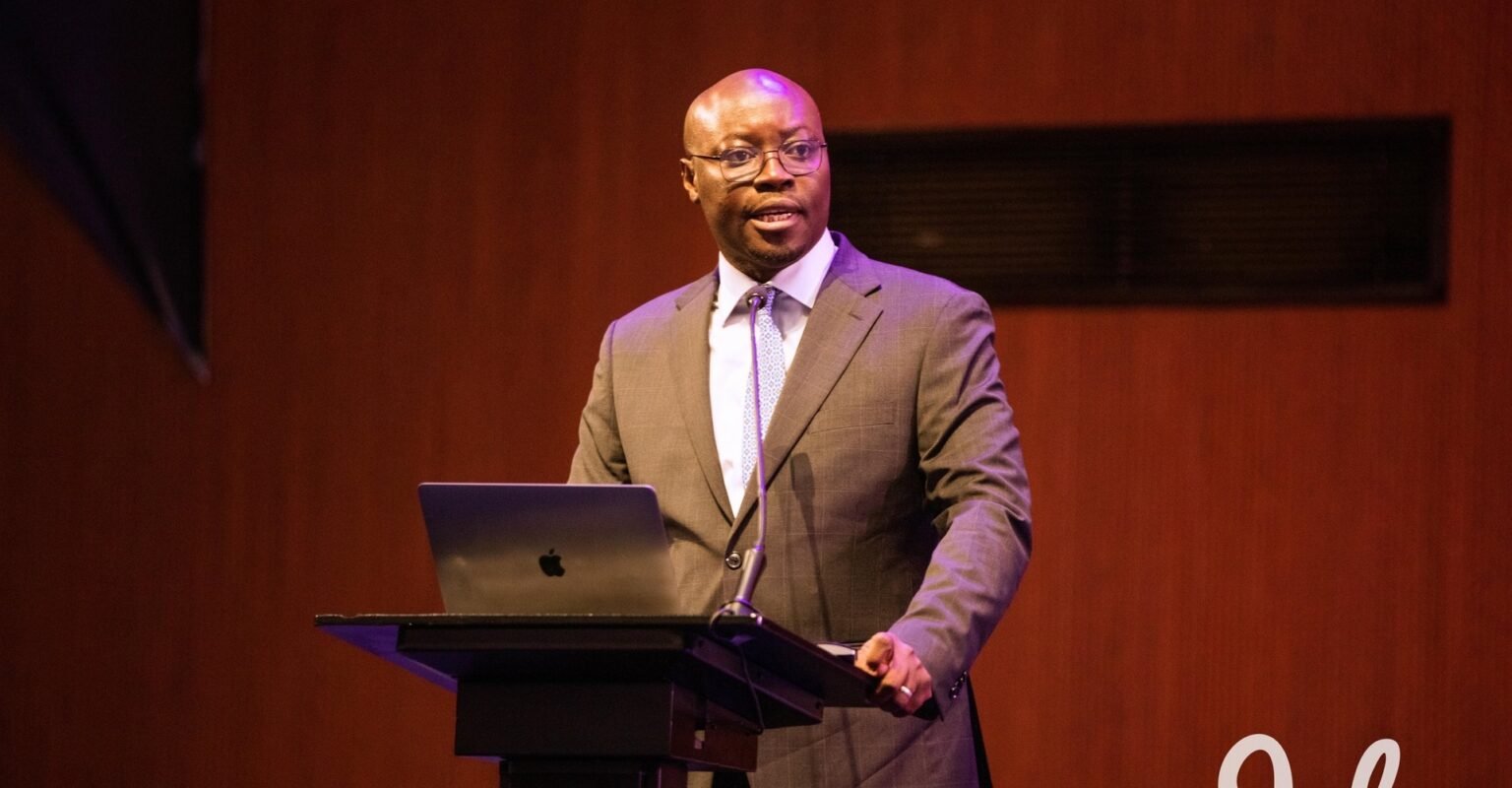
Government will invest US$200 million in a 24-month nuclear-readiness programme beginning in January 2027 as Ghana intensifies preparations to develop a fully state-owned nuclear power plant.
Finance Minister Dr. Cassiel Ato Forson announced the investment while presenting the 2027 Budget Statement to Parliament, saying government intends to complete the necessary preparations and sign an engineering, procurement, construction and financing contract for the proposed facility by December 2028.
He stressed, however, that the target for nuclear readiness in 2028 should not be interpreted as a date for the commencement of nuclear electricity generation.
“Nuclear power readiness in 2028 does not mean nuclear power generation in 2028,” he said.
According to the Finance Minister, the programme will cover site studies, technology selection, environmental assessments, financing, licensing preparations, safeguards, emergency planning and the safety case required to move the project towards implementation.
Government intends to retain ownership of the proposed nuclear facility, with international partners expected to provide technology, financing, engineering and specialist services.
“Mr. Speaker, the nuclear power plant will remain a STRATEGIC NATIONAL ASSET and will not be developed as an independent power producer,” Dr. Forson told Parliament.
As part of efforts to develop local expertise, government will also train more than 2,000 scientists to support Ghana’s transition to nuclear power.
The Finance Minister described the programme as an important step towards diversifying the country’s energy sources and securing reliable baseload electricity for future industrial and economic growth.
“Mr. Speaker, this pillar also begins Ghana’s nuclear future with caution and purpose,” he said.
He drew a comparison with the construction of the Akosombo Dam under Ghana’s first President, Osagyefo Dr Kwame Nkrumah, saying the country must make long-term investments that benefit future generations.
“Over sixty years ago, Osagyefo Dr. Kwame Nkrumah gave his beloved Ghana its first great source of baseload power at Akosombo.”
“He built for generations he would never meet. “Today, we owe future generations that same foresight and courage,” he added.
Dr. Forson said Ghana had discussed the development of nuclear power for several years and that the time had come to advance the ambition through concrete preparations.
“The time has come to turn that ambition into action,” he said.
The nuclear-readiness programme forms part of government’s wider energy strategy, which also includes the construction of a 1,450-megawatt state-owned thermal power plant and a 600-megawatt solar facility supported by 2,000 megawatt-hours of battery storage.
The proposed thermal plant is expected to begin construction in December 2026, with its first 600 megawatts targeted for completion by December 2028 and the remaining 850 megawatts by December 2030.
Government is also planning to phase out all emergency power plants by 2030 as it seeks to improve the reliability and affordability of electricity.
The nuclear programme is intended to add another source of baseload power to the country’s future energy mix. However, the December 2028 target concerns project readiness and the signing of the implementation contract, not the start of nuclear power generation.
The Finance Minister said the proposed nuclear facility would remain a strategic national asset, with international partners supporting its development through technical and financial services.