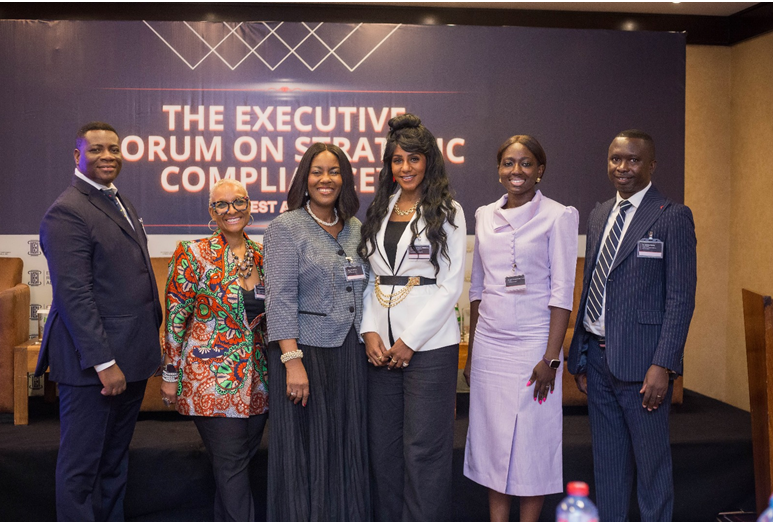
Tiffany A. Archer, Founder and President of Eunomia Risk Advisory, has called on African leaders to take a proactive measure in shaping its global governance systems that are ethical, relevant, and future-focused.
She made the remarks at the inaugural Executive Forum on Strategic Compliance in West Africa, held in Accra.
According to her, Africa must stop waiting to be included and instead build its own platforms with intention and integrity.
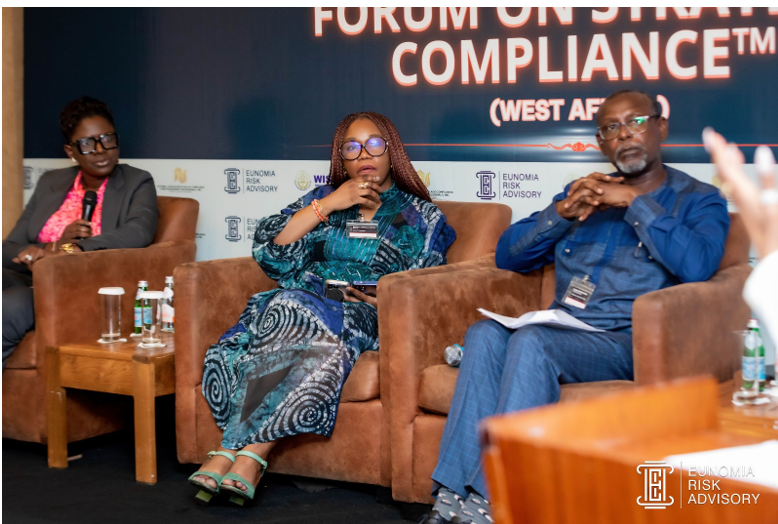
The event brought together leaders across sectors—including government, diplomacy, law, academia, and corporate governance—to deliberate on the future of governance, risk, and compliance on the continent.
The forum was convened by Eunomia Risk Advisory in collaboration with institutions such as the Institute of Directors, Ghana Bar Association, Public Procurement Authority, Bank of Ghana, and State Interests and Governance Authority.
Archer, a governance expert and lecturer at New York University and Fordham Law School, noted that Africa has the capacity to lead its own reform agenda, grounded in cultural context and community values.
“This is not just a convening, it is a signal that Africa is not waiting to be invited to the table. We are building our own with integrity, intelligence, and intention.”
“What is needed now is not imported prescriptions, but platforms for African leadership to be seen, heard, and strengthened,” she added.
Professor Douglas Boateng, Chairman of PanAvest International, delivered the keynote address, calling for a complete overhaul of African governance systems.
He argued that imported models have limited long-term effectiveness and urged African countries to embrace homegrown approaches that prioritize impact over image.
“Western-style governance models can only take us so far. If we do not reimagine governance, we remain trapped in ceremonial leadership and short-term cycles,” he said.
“Ghana led the continent’s political independence. We must now lead its economic emancipation through Afrocentric governance rooted in our realities,” he further elaborated.
Other speakers included legal and compliance experts who called for clearer governance structures for SMEs, stronger enforcement mechanisms, and greater citizen engagement.
Professor Edmund Ato Kwaw from Wisconsin International University College highlighted the need for harmonized regulation of mobile money systems as a core component of the African Continental Free Trade Area (AfCFTA).
The forum closed with a consensus that governance reform must be generational, not cyclical.
Participants stressed the importance of ethical leadership, robust oversight, and broader governance literacy, positioning Africa not as a passive participant but a driver of global standards.
Source: Starrfm.com.gh