Ghana’s ambitious Agenda 111, a flagship health infrastructure project aimed at constructing 111 hospitals across the country, hangs in the balance as the nation transitions to a new government.
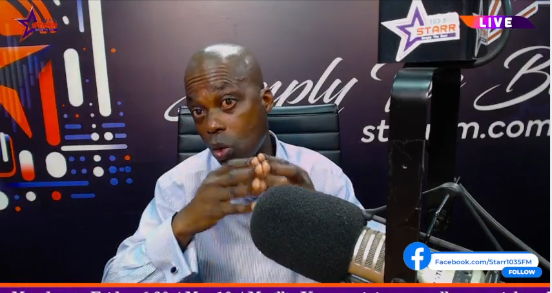
In an open letter to President-elect John Dramani Mahama, a pharmacist and healthcare policy analyst, Kwame Sarpong Asiedu expressed worry over the fate of the projects which was launched to bridge critical gaps in healthcare access and equity.
According to him, the massive cost escalation and delays in implementation raise serious questions about the sustainability of the project under Ghana’s current fiscal constraints.
He noted that “a reliance on traditional budgetary funding is no longer feasible, given the country’s broader fiscal challenges.”
Launched with an estimated cost of $1.28 billion, Agenda 111 aimed to revolutionize healthcare infrastructure in Ghana. However, as of December 2023, not a single hospital has been completed, with the projected cost now ballooning to a staggering $7.5 billion—a 505% increase over initial estimates.
“It must be emphasized that this project was commenced at the seat of government with little input from the Ministry of Health. I am picking information that the Ministry of Health has taken a look at this and now estimates that the project as it stands will require US$7.5 billion to complete. If this were to be true, based on the initial estimates and what has been spent this would make the project approximately 505% over budget or 2.5 times Ghana’s entire IMF bailout.”
Kwame Sarpong Asiedu stressed the need for the incoming NDC government to explore innovative financing mechanisms, such as public-private partnerships (PPPs).
“Explore public-private partnerships (PPPs) and concessional financing options, including funding from international health-focused organizations and bilateral partners.”
Find below the open letter from Kwame Sarpong Asiedu to President-elect John Dramani Mahama:
Mr. President-Elect,
Welcome to the hottest seat in our country. I write to you on a matter of importance.
Agenda 111: Can Your Incoming Government Fulfil the Vision?
Executive Summary:
Agenda 111, launched as Ghana’s flagship health infrastructure project, aimed to build 111 hospitals nationwide to address critical gaps in healthcare access and equity. Despite its transformational potential, the initiative faces severe challenges, including fiscal constraints, project delays, and workforce deficits. With not a single hospital completed as of December 2023, urgent and pragmatic measures are required to salvage the vision while preventing significant financial and public trust losses.
Fiscal Challenges: A Looming Financing Gap
- Budgetary Shortfalls: The estimated project cost has escalated dramatically. Originally budgeted at $1.28 billion, current projections suggest a requirement of $7.5 billion, a 505% increase. Only $251.4 million (19.69%) has been spent so far, leaving an immense deficit.
- Government Spending Constraints: With health expenditure comprising only 7% of total spending in 2023 and debt servicing consuming nearly half of revenues, reliance on traditional budgetary funding is untenable.
- Recommendations:
- Explore public-private partnerships (PPPs), concessional loans, and grants.
- Consider suspending hospitals with less than 15% progress to prioritize high-need areas.
Infrastructure Readiness: Gaps in Basic Facilities
- Inadequate Service Capabilities: Only 5% of facilities meet basic medical equipment standards, and 50% of regional hospitals lack reliable oxygen therapy.
- Geographic Disparities: The northern regions remain severely underserved in healthcare infrastructure.
- Recommendations:
- Focus on phased rollouts in regions with the poorest health outcomes.
- Establish sustainable maintenance systems for completed facilities to ensure long-term readiness.
Human Resources for Health: A Critical Bottleneck
- Staffing Shortfalls: Ghana’s doctor-to-population ratio of 0.20 per 1,000 is far below the WHO standard of 1.0. The uneven distribution exacerbates disparities in rural areas.
- Migration Crisis: Over 1,200 nurses and midwives emigrated in 2023 due to poor remuneration and working conditions.
- Recommendations:
- Introduce rural incentive schemes (e.g., housing, scholarships).
- Expand enrolment in medical and nursing schools while revisiting nursing allowance policies.
- Strengthen bilateral agreements to mitigate workforce migration.
Optimizing Sunk Costs: A Path Forward
- Significant Investments at Stake: Land acquisition and partial construction have incurred substantial costs. Abandoning the project risks sunk costs without tangible benefits.
- Recommendations:
- Conduct independent audits to identify inefficiencies and prevent further cost overruns.
- Prioritize districts with advanced construction progress and high healthcare needs.
Leveraging Health Data for Strategic Decision-Making
- Key Insights from Health Data: Institutional neonatal mortality and low-skilled birth attendance (64.4%) highlight systemic gaps.
- Recommendations:
- Use data-driven approaches, such as the Harmonized Health Facility Assessment (HHFA), to guide resource allocation.
- Strengthen health information systems to monitor and adjust project implementation.
Conclusion: A Call for Pragmatism and Accountability
Agenda 111 symbolizes ambition but is fraught with operational, financial, and systemic challenges. Moving forward, the incoming government must prioritize:
- A phased approach to project completion.
- Innovative financing to bridge funding gaps.
- Workforce strategies to ensure operational readiness.
While the vision is compelling, focusing on a broader health system overhaul may better serve the electorate than overcommitting to incomplete infrastructure. Strategic, accountable leadership is crucial to prevent Agenda 111 from becoming a financial and political burden.
Introduction:
Ghana’s Agenda 111 (Ghana Priority Health Infrastructure Project (GPHIP)) was initiated as a transformative initiative in health designed to build 111 hospitals across the country to address critical gaps in healthcare infrastructure and equity. However, this ambitious vision faces significant challenges, including fiscal constraints, human resource shortages, and operational readiness.
The Ministry of Health’s 2024 Budget Report indicated that 90 of the 102 district hospitals are active, with varying stages of completion. Two regional psychiatric hospitals are under construction, but other planned regional hospitals are on hold due to International Monetary Fund (IMF) conditionalities. At the time of writing, not a single hospital has been completed with 3 weeks left of the tenure of this government.
This letter attempts to provide an evaluation of the initiative’s viability, based on recent data and assessments from the Ghana Harmonized Health Facility Assessment (HHFA), the Demographic and Health Survey (DHS), and the 2023 Holistic Health Sector Performance Report, as well as the Budget statement, read in November 2023 by the Finance Minister.
The Fiscal Reality: Bridging the Financing Gap
Ghana’s current fiscal landscape paints a sobering picture. With debt servicing consuming nearly half of total government revenues and health expenditure constituting only 7% of total government spending in 2023, significant budgetary constraints loom large over capital-intensive projects such as Agenda 111. The November 2023 budget allocated GHS 2 billion towards the project, yet the estimated cost to complete Agenda 111 at the time stood at GHS 13 billion, leaving an immense GHS 11 billion shortfall. This information is inconsistent with information from the REPORT OF THE COMMITTEE ON HEALTH ON THE ANNUAL BUDGET ESTIMATES OF THE MINISTRY OF HEALTH FOR THE 2024 FINANCIAL YEAR, which indicates that “as of November 2023, US$ 251,439,341.06 has been spent on the project out of the total contract sum of US$ 1,277,260,553.44 for the project, representing 19.69%.” This left a deficit of US$1,025,821,212.38. However, The Project Implementation Committee indicated to the Health Committee of Parliament at the same time that they would require about US$1.4 billion to complete all the projects, indicating an increase of 28.9% over the budgeted cost at the outset of the project.
It must be emphasized that this project was commenced at the seat of government with little input from the Ministry of Health. I am picking up information that the Ministry of Health has taken a look at this and now estimates that the project, as it stands, will require US$7.5 billion to complete. If this is true, based on the initial estimates and what has been spent, this would make the project approximately 505% over budget or 2.5 times Ghana’s entire IMF bailout.
More importantly, though the debt restructuring under Ghana’s IMF program has provided some breathing room, actual fiscal capacity for massive capital investments remains limited. To complete Agenda 111, the next government will need innovative financing approaches, such as public-private partnerships (PPPs), concessional loans, or foreign grants. There may also be a need to suspend any of these hospitals that haven’t been commenced or where less than 15% of work has been undertaken. Relying solely on budgetary resources risks leaving the project unfinished while saddling the country with significant sunk costs, with little benefit to the taxpayer.
Additionally, out-of-pocket expenditures still account for a significant proportion of healthcare financing, contributing to financial vulnerability among households. In 2023, catastrophic health expenditures affected approximately 30% of households. The Domestic Debt Exchange Program (DDEP) brought this to the fore, especially for pensioners on chronic disease medication. For context, Ghana’s per capita health expenditure of GHS 496.62 remains lower than the Sub-Saharan Africa average of USD 73.79 (approximately GHS 832.44), highlighting underfunding in the health sector. This may need addressing over and above government investing in Agenda 111.
Recommendations on Fiscal Strategies:
- Innovative Financing Mechanisms: Explore public-private partnerships (PPPs) and concessional financing options, including funding from international health-focused organizations and bilateral partners.
- Resource Reallocation: Prioritize critical sectors such as healthcare in the national budget, ensuring adherence to the 15% Abuja Declaration target.
Infrastructure Readiness and Gaps An evaluation of Ghana’s healthcare infrastructure reveals glaring gaps in service availability and readiness. The Harmonized Health Facility Assessment (HHFA) indicates that only 38% of facilities offering inpatient services have dedicated isolation beds, and less than 32% of facilities have access to emergency transport systems. Furthermore, only 5% of health facilities possess the complete set of basic medical examination equipment, such as pulse oximeters and examination lights.
High-end diagnostic services, including CT scans and MRI machines, are predominantly available in regional hospitals, with access in district hospitals and other lower-tier facilities remaining significantly limited. Even oxygen therapy services, critical for intensive care, are unreliable in nearly 50% of regional hospitals.
Strategic Priorities for Infrastructure:
- Targeted Investment: Prioritize equipping and staffing facilities in underserved regions, such as Northern, Savannah, and Upper East regions, which experience severe shortages of healthcare infrastructure.
- Phased Rollout: Consider a phased approach to Agenda 111, focusing on regions with the highest disease burdens and poorest health outcomes.
- Maintenance Systems: Establish sustainable maintenance frameworks to ensure operational readiness of completed facilities.
Human Resources for Health: A Critical Bottleneck Building hospitals is only half the battle; staffing them is equally critical. The availability of healthcare professionals is a significant limiting factor. Ghana’s doctor-to-population ratio stands at 0.20 per 1,000, far below the WHO’s recommended 1.0 per 1,000. This disparity is compounded by uneven geographic distribution, with regions such as North-East and Savannah reporting doctor-to-population ratios as low as 0.05 per 1,000. Nurses are relatively more abundant, with a ratio of 1.90 per 1,000, yet regional inequities persist, particularly in rural areas.
The workforce deficit is further aggravated by the migration of health professionals to countries offering better remuneration and working conditions. Over 1,200 nurses and midwives reportedly left Ghana in 2023 alone. These challenges raise critical questions about the operational feasibility of Agenda 111 hospitals upon completion.
Human Resource Strategies:
- Incentive Schemes: Introduce meaningful financial and non-financial incentives, including scholarships, housing benefits, and career progression pathways, to encourage healthcare workers to serve in rural areas.
- Training Expansion: Increase enrolment capacities in medical and nursing schools while expanding midwifery and specialized training programs. This may require a critical look at nursing allowance payments, which may have outlived their usefulness.
- Retention Policies: Strengthen bilateral agreements to address health worker migration and ensure skills transfer from diaspora professionals.
Sunk Costs and Value Optimization Substantial resources have already been committed to Agenda 111, including land acquisition, site preparation, and partial construction in some districts. Abandoning the project at this stage would result in significant sunk costs and public backlash. However, strategic measures can ensure that these investments yield maximum value. A baseline audit of the project must be undertaken to ascertain the causes of the huge budget overruns. Any malfeasance established should be punished to serve as a deterrent.
A phased approach, targeting the most critical districts first, could ensure some benefits are realized while additional funding is sought for the remaining projects. Additionally, optimizing procurement, reducing cost overruns, and ensuring transparent project management will be essential to safeguard investments and demonstrate value for money.
Value Optimization Measures:
- Independent Audits: Conduct comprehensive audits of completed and ongoing construction to identify inefficiencies and curtail cost overruns.
- Integrative Healthcare Networks: Align new hospitals with existing health networks to optimize resource sharing and referrals.
- Public Accountability: Publish detailed project and financial reports to maintain public trust and attract supplementary funding from development partners.
Leveraging Health System Data for Decision-Making Data from the HHFA and DHS underscore critical areas for improvement in Ghana’s healthcare delivery. For example, institutional neonatal mortality rates remain high, and skilled birth attendance coverage lags behind targets at 64.4% in 2023. Addressing these gaps will require data-driven interventions.
Actionable Insights:
- Utilize HHFA data to guide investments in infrastructure, focusing on regions with the poorest health outcomes.
- Strengthen health information systems to monitor service delivery and workforce performance, enabling timely policy adjustments.
Conclusion: A Call to Action His Excellency, Agenda 111 was said to represent a bold step toward universal health coverage (UHC) in Ghana, but based on official documents, this is less than half the story unless strategic decision-making and resource optimization are utilized by your government. While the 2024 health sector budget allocates GH₵15.6 billion, only 4.6% is designated for capital expenditure, raising concerns about the timely completion of Agenda 111 projects and where the US$1.4 billion or, if accurate, US$7.5 billion will be sourced from.
While the fiscal and human resource challenges are daunting, they are not insurmountable. A phased approach, complemented by targeted investments and strong accountability measures, can help Ghana cut its losses while putting the health system on a better footing.
Your goal as a President, in our view, must be to overhaul the entire health system to serve the needs of the electorate who have given you a sweeping mandate, not to get saddled with infrastructural projects that may be over-ambitious and become an albatross around your neck. The advice I provide now was given to the current government but was largely ignored. This is why none of these projects have been completed to date, long after the deadline the current President provided.
Mr. President-Elect, congratulations on your success in the recent elections. I wish you well.
Sincerely,
Kwame Sarpong Asiedu