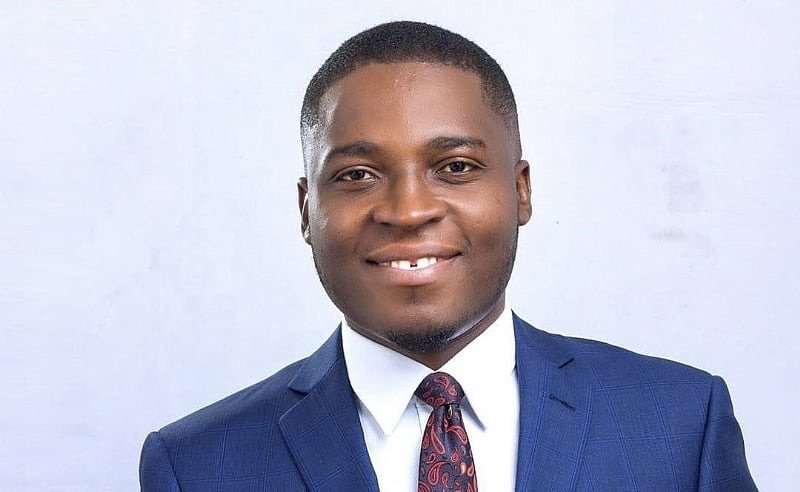
The Member of Parliament for Ketu North, Eric Edem Agbana, has rated President John Dramani Mahama 10 out of 10 for his performance but scored the overall government 8 out of 10, citing weaknesses in some government institutions and sectors that require urgent attention.
Speaking to Nana Aba Anamoah on Morning Starr on Starr FM, Mr Agbana said although he was satisfied with the President’s performance, he believed some institutions within the government were not delivering at the pace expected.
Explaining the difference in his assessment of the President and the entire government, Mr Agbana said government remains a human institution with room for improvement, particularly in areas where some public institutions have failed to meet expectations.
“It’s a human institution. We have a number of things that I believe we could have done better,” he said.
He explained that the two-point deduction was largely attributable to individuals and institutions he believes were not pulling their weight in the implementation of the government’s agenda.
According to him, while the President and the broader government may be making progress, the performance of some institutions does not reflect the pace of work expected.
He added that concerns about the performance of certain institutions had been communicated through internal engagements, while others had been raised publicly.
Mr Agbana identified education as one of the sectors requiring considerable attention, particularly the persistent shortage of teachers in schools across the country.
He expressed concern about the situation where trained and qualified teachers remain unemployed while some schools continue to operate with inadequate teaching staff.
He questioned the rational behind having qualified teachers at home waiting for employment while classrooms in various constituencies remain without the required number of teachers.
Using his constituency Ketu North as an example, the Mr Agbana disclosed that the area has a teacher deficit of approximately 530, a situation he believes requires urgent government intervention.
He argued that the recruitment clearance granted for 7,000 teachers would not be sufficient to address the scale of the shortage, insisting that even an increase to 10,000 teachers would still fall short of the demand.
“If you give clearance for 7,000 teachers, clearly it’s not enough. If you give clearance for 10,000, clearly it’s not enough,” he stressed.
Mr Agbana appealed directly to President Mahama to consider allocating additional resources towards the employment of trained teachers, arguing that addressing the shortage should be a priority regardless of the financial constraints facing the government.
He said if given the opportunity to meet the President John Dramani Mahama he would urge him to explore available resources to ensure that qualified teachers awaiting employment are recruited into the education system.
“If I meet President Mahama today, I’ll plead with him that wherever we can find the money to get teachers, to employ all these teachers, we should be able to do it so that children should have access to quality education,” he said.
Mr Agbana maintained that improving the education sector requires more than policy commitments, stressing the importance of ensuring that schools have adequate teaching personnel to support effective learning.
He reiterated the need for government appointees and public institutions to step up their performance, stressing that improved institutional delivery is crucial to achieving the administration’s goals and improving the lives of Ghanaians.
Story By Pamela Quayson