


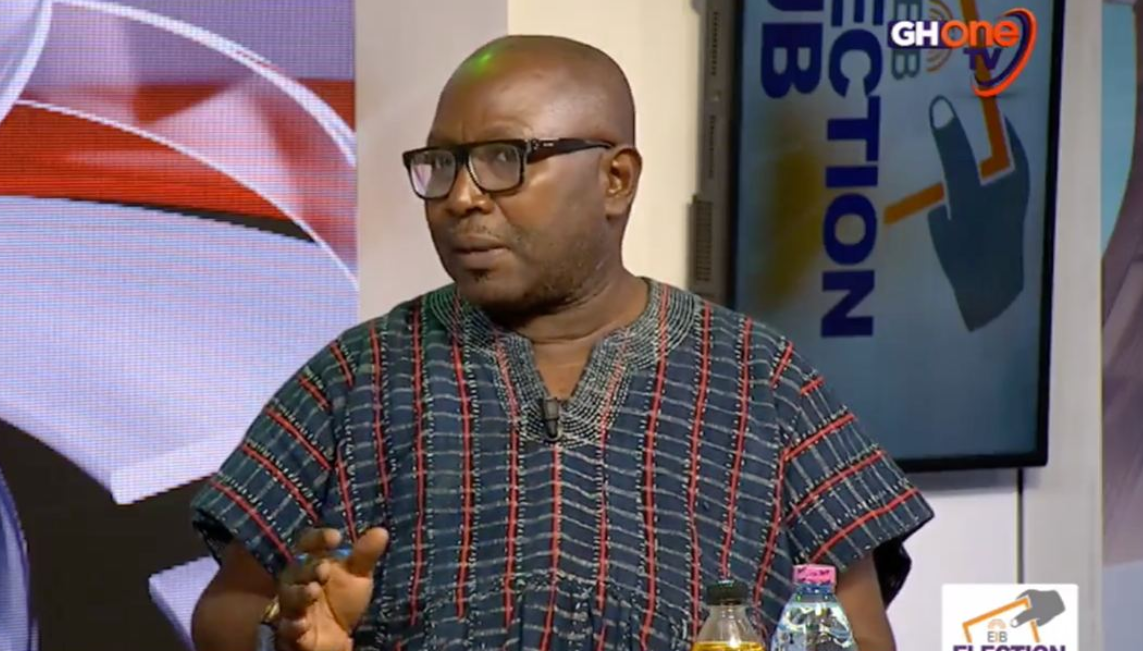
Local Governance Expert, Dr. Frederick Oduro, has welcomed the government’s decision to allocate GH¢100 million for the payment of monthly allowances to assembly members, describing it as a “game changer” for local governance in Ghana.
Speaking on Morning Starr with Naa Dedei Tettey, Dr. Oduro expressed excitement over the announcement made by Finance Minister Dr. Cassiel Ato Forson in the 2025 Budget Statement on March 11.
According to him, the move is long overdue and will significantly enhance the functioning of assemblies across the country.
“I’m very excited. I’m excited about that arrangement because it remains a very difficult area in local government. A number of assemblies do not have enough resources. We’ve created assemblies by law, and we should have been looking at their economic viability, but most assemblies are not economically viable,” he explained.
Dr. Oduro further highlighted that many assemblies rely heavily on central government allocations due to their inability to generate sufficient internal revenue. This financial strain, he noted, has hindered the ability of assemblies to perform their statutory functions effectively.
“Because of this challenge, these assemblies can hardly perform their function. Most district and regional assembly meetings cannot be held as required by law. The assemblies have lost out on their funds and are not able to operate as expected,” he said.
He emphasized that the central government’s intervention will help sustain assembly operations and ensure that members receive the necessary financial support to carry out their duties.
“The coming on board of central government to support the payment of allowances can go a very long way to ensure that the assemblies can conduct their business and be able to pay for the allowances that the assembly members need to carry out their duties. So, I’m particularly excited about that arrangement,” Dr. Oduro stated.
He, however, pointed out that successive governments have been aware of the financial difficulties faced by assemblies but had failed to take any concrete steps to address the issue until now.
Dr. Oduro also referenced the District Performance Assessment Tool (DPAT), an evaluation system for assemblies, stressing the need for a structured approach to ensure the effective disbursement and utilization of the funds.


