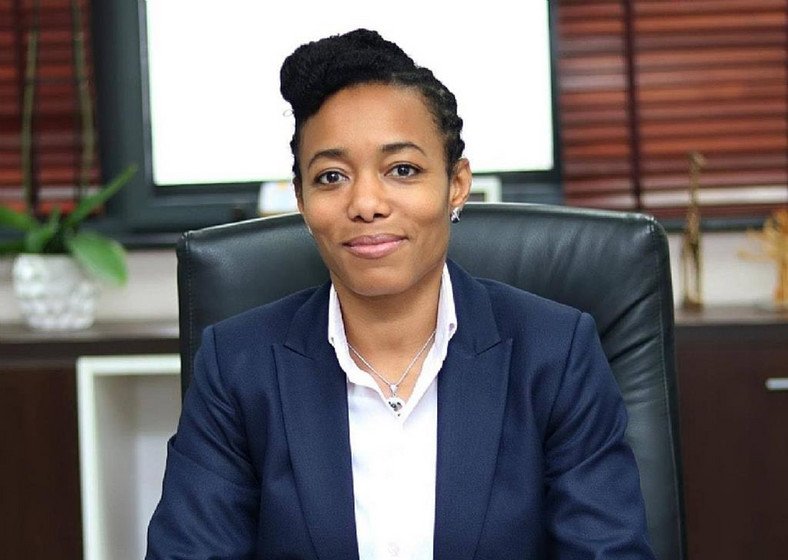
Ghana is engaging Côte d’Ivoire to strengthen cross-border cooperation in the fight against illegal mining, as the two countries seek to address the environmental and socio-economic effects of the practice along their shared border.
The Minister for Environment, Science and Technology, Dr. Zanetor Agyeman-Rawlings, said discussions were underway to coordinate activities aimed at ending illegal mining operations affecting communities on both sides of the border.
She said the problem required cooperation beyond national boundaries because its effects on water bodies, livelihoods and food security could not be addressed by one country acting alone.
Speaking at the 31st Session of the United Nations Climate Change Conference (COP31) in Türkiye, Dr. Agyeman-Rawlings said the government was committed to working with neighbouring countries to tackle the menace.
“We have engaged in some conversations with Cote d’Ivoire with regards to how we collaborate, cooperate and coordinate our activities in order to put an end to illegal mining on both sides of our border that are affecting our water bodies, affecting livelihoods, affecting food security and water security,” she said.
She stressed the need for a broader regional approach, arguing that illegal mining required coordinated responses among neighbouring countries and other stakeholders.
“The issue on how we deal with illegal mining within our country is not something that a country can deal with on its own,” she said.
“And so, our plan is to see how we can collaborate, not just as neighbors, but as a sub-region, as a continent, so that as we continue to exploit resources, the governments can get the relevant revenue in order to be able to remediate the land, to protect our livelihoods and sustainably protect our future while ensuring development,” she added.
Dr. Agyeman-Rawlings reiterated that the government would not tolerate illegal mining or criminal activities, warning those involved that the Ministry would not overlook such conduct.
“Legal mining. The key word is legal. Because we do not, in any way, endorse or agree with any form of illegality or criminality as a ministry,” she said.
“And so, those who are engaged in that should be mindful. We won’t turn a blind eye,” she added.
The Minister said the government’s broader environmental response also included tree planting, landscape restoration, remediation of degraded areas and efforts to restore polluted water bodies.
She noted that these interventions were necessary to strengthen the resilience of communities and economies against the effects of climate change.
“Africa contributes the least to the crisis that we are witnessing globally, as far as the climate is concerned, and yet bears some of its heaviest costs,” she said.
She added that African countries must continue investing in environmental protection and sustainable practices despite contributing relatively little to global emissions.