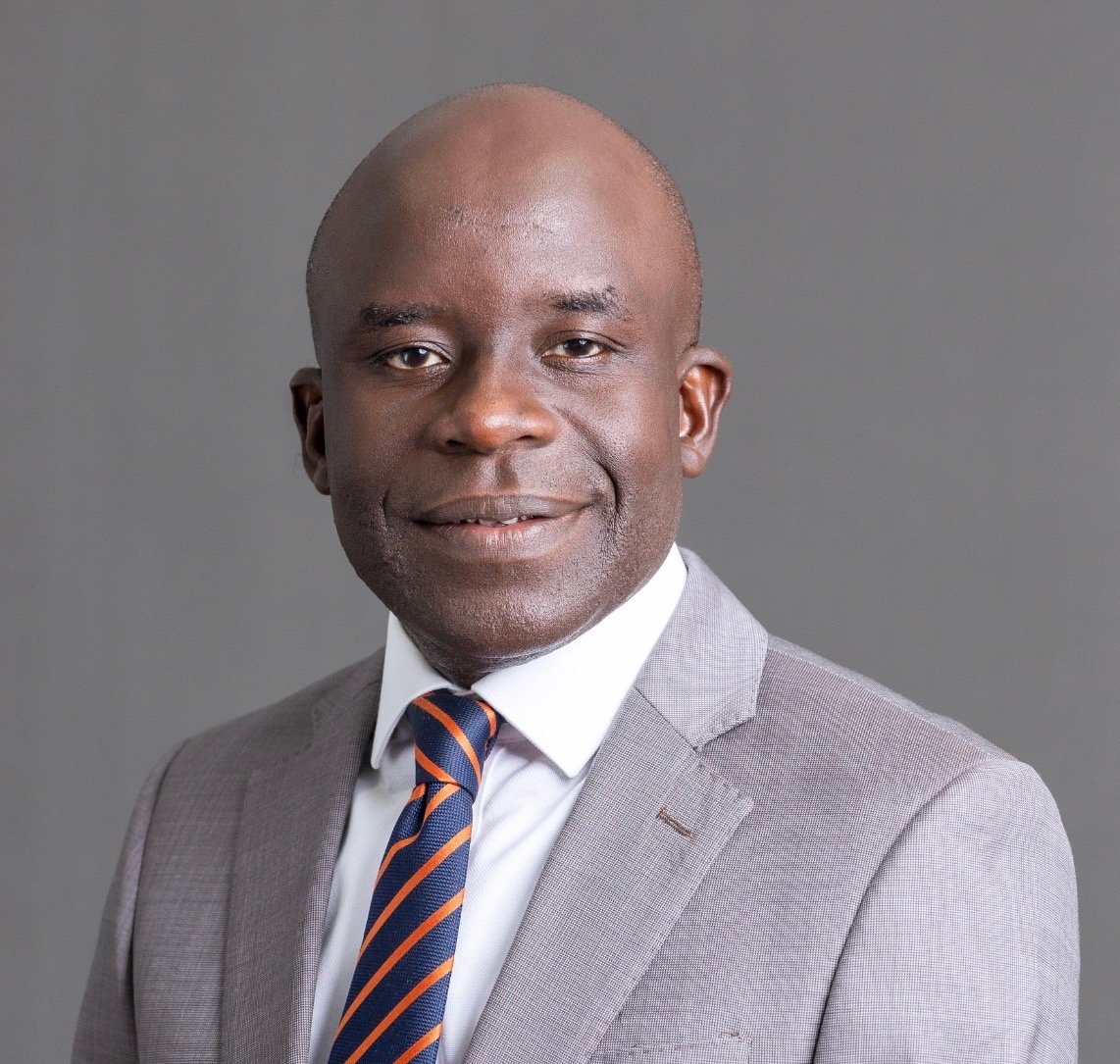
The Head of Investment Banking at Stanbic Bank Ghana, Kobby Bentsi-Enchill, says sustained macroeconomic stability, policy consistency and strengthened regulatory reforms remain the most critical factors to restore confidence and attract new capital into the energy sector.
Speaking in an interview at the West Africa Energy Cooperative Summit, Mr. Bentsi-Enchill explained that while Ghana’s current macroeconomic signals are encouraging, sustained stability remains the ultimate determinant of investment readiness.
“When you engage foreign investors, it becomes clear that beyond the technical viability of any project, they place a strong emphasis on macroeconomic conditions. They want assurance that inflation is under control, interest rates are at sustainable levels and that, where working capital is required, it can be sourced locally at affordable rates. These elements are what guarantee a project’s long-term survival,” he said.
Mr. Bentsi-Enchill also emphasized the importance of currency stability, describing it as one of the most sensitive considerations for investors. “Currency management is critical. If an investor brings in capital when the cedi is trading at 10 to the dollar and within a few months it depreciates sharply, that investor suffers a major loss almost immediately. No investor wants to expose themselves to that kind of volatility. What they are looking for is a predictable, stable currency environment.”
Another decisive factor, he stressed, is policy consistency. Investors, he said, are wary of environments where regulatory frameworks frequently change with each political cycle. “They want to be confident that the policy framework in place at the time of investment will not be abruptly overturned.Unfortunately, in some emerging markets, including parts of Africa, policy reversals are common when new administrations come in. Investors pay very close attention to that. Stability and continuity in policy are essential for attracting patient, long-term capital.”
While acknowledging recent improvements in Ghana’s macroeconomic performance, Mr. Bentsi-Enchill cautioned that the recovery is still in its early stages. “The macro outlook is positive, but these are still early days. The important question now is whether we can sustain this level of performance. If we maintain fiscal discipline and build on the progress achieved so far, it will go a long way in restoring the investor confidence Ghana once enjoyed.”
He also pointed to the crucial role of regulatory reforms, calling them fundamental to building a resilient investment ecosystem.“Our regulatory reforms are absolutely key. Ironically, this is not something project sponsors can directly control. But they can influence it through consistent engagement with government and regulatory bodies to ensure that reforms are not only initiated, but sustained.”
According to Mr. Bentsi-Enchill, Ghana has a strong opportunity to rebuild credibility in the eyes of global financiers, but doing so will require coordinated efforts across economic management, policy continuity and regulatory alignment. “If we focus on stability, transparency and predictable policy actions, investors will respond positively. Capital follows confidence, and confidence thrives on consistency,” he stated.