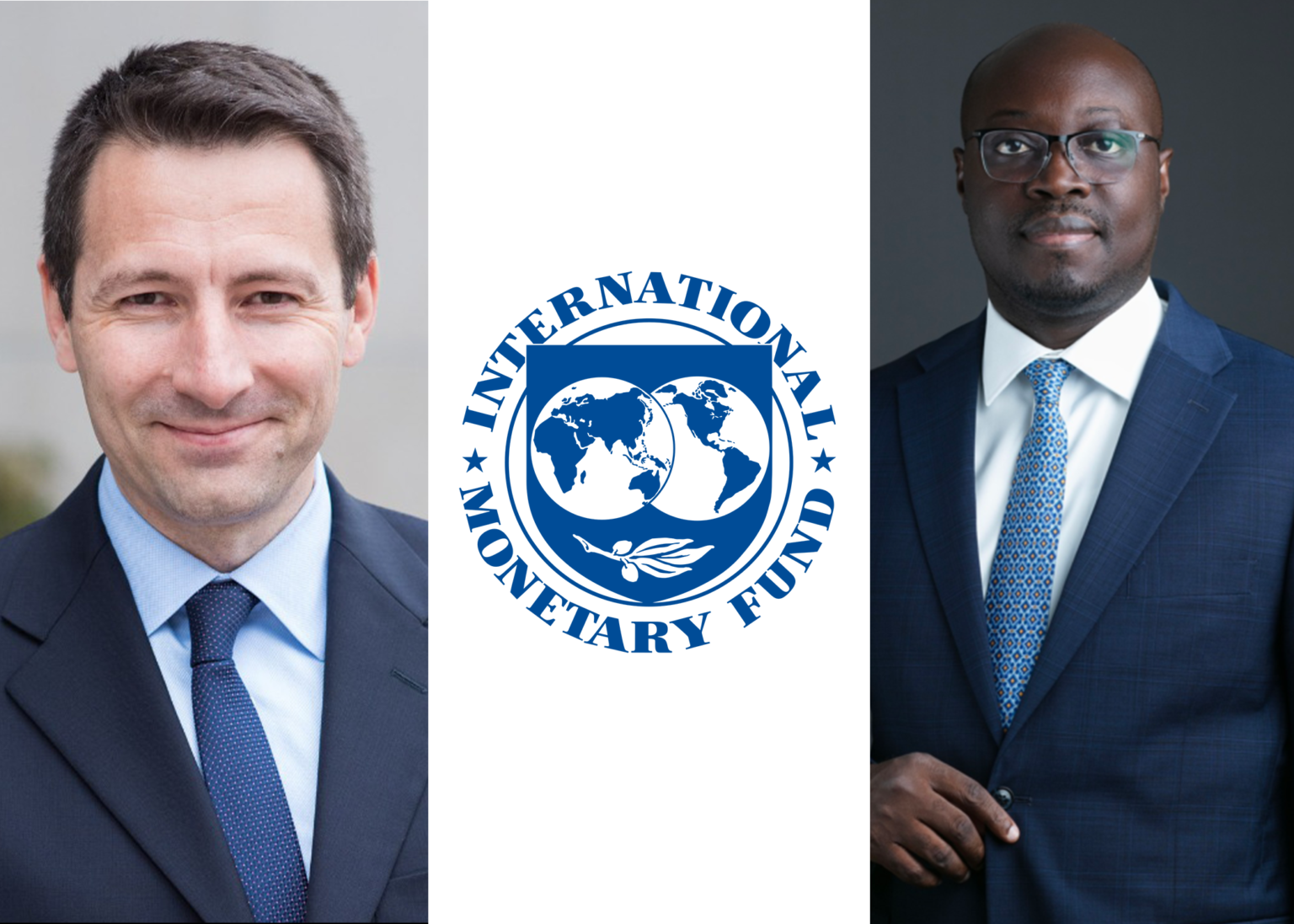
The International Monetary Fund (IMF) and the Government of Ghana have reached staff-level agreement on a new set of economic policy measures and structural reforms under the country’s ongoing three-year Extended Credit Facility (ECF) program. Upon approval by the IMF Executive Board, Ghana will receive a disbursement of approximately US$370 million, bringing total financial support under the arrangement to over US$2.3 billion since its inception in May 2023.
This agreement follows a two-week mission in Accra led by Stéphane Roudet, IMF Mission Chief for Ghana, from April 2 to 15, 2025, to review progress under the program’s fourth review.
Despite stronger than expected economic growth in 2024 driven largely by robust activity in the mining and construction sectors and significant improvements in Ghana’s external sector, the IMF reports that program performance deteriorated markedly toward the end of last year.
“Growth in 2024 was higher than expected, underpinned by strong mining and construction activity. Notwithstanding these achievements, overall performance under the IMF-supported program deteriorated markedly at end-2024. Preliminary fiscal data point to slippages in the run-up to the 2024 general elections, on account of a large accumulation of payables. Inflation exceeded program targets. Several reforms and policy actions were delayed across the fiscal, financial, and energy sectors.”, said Stéphane Roudet, IMF Mission Chief for Ghana.
The IMF has however lauded Ghana for moving swiftly to correct the fiscal course and reignite momentum on reforms.
“Against this backdrop, the new authorities have taken bold measures to address policy slippages and ensure the program objectives remain within reach. To address these slippages, the authorities have enacted a 2025 budget that targets a 1½ percent of GDP primary surplus and adopted several public financial management reforms. The latter includes an enhanced fiscal responsibility framework and new rules to tighten expenditure commitments.”
Discussions between IMF staff and Ghanaian authorities also explored further measures to address long-standing weaknesses in public procurement, fiscal transparency, and social protection, with a renewed emphasis on safeguarding vulnerable populations from the effects of high inflation.
The IMF confirmed that Ghana remains committed to its comprehensive debt restructuring agenda. A Memorandum of Understanding (MoU) with Official Creditors under the G20 Common Framework has already been signed, with attention now turning to finalizing bilateral agreements and engaging commercial creditors in good faith.
The IMF mission engaged with key stakeholders during the visit, including Finance Minister Dr. Cassiel Ato Forson, Governor of the Bank of Ghana, Dr. Johnson Asiama, and various government agencies. The Fund expressed appreciation for the authorities’ openness and constructive dialogue throughout the review process.