Ghanaian journalism suffered a sobering moment at the 2025 West Africa Media Excellence Conference and Awards (WAMECA), as the country walked away empty-handed – earning no wins across all nine prestigious award categories.
The 8th edition of WAMECA received 793 entries from 600 print, electronic, and online media houses representing 15 Anglophone, Francophone, and Lusophone countries across West Africa.
Following a rigorous vetting process, a four-member grand jury shortlisted 26 finalists across nine categories including Environmental; Human Rights; Anticorruption; Investigative; Telecoms and ICT reporting.
The other categories were Women Empowerment; Illicit Financial Flows; Extractive Industry and Digital Public Infrastructure/ Digital Public Goods reporting.
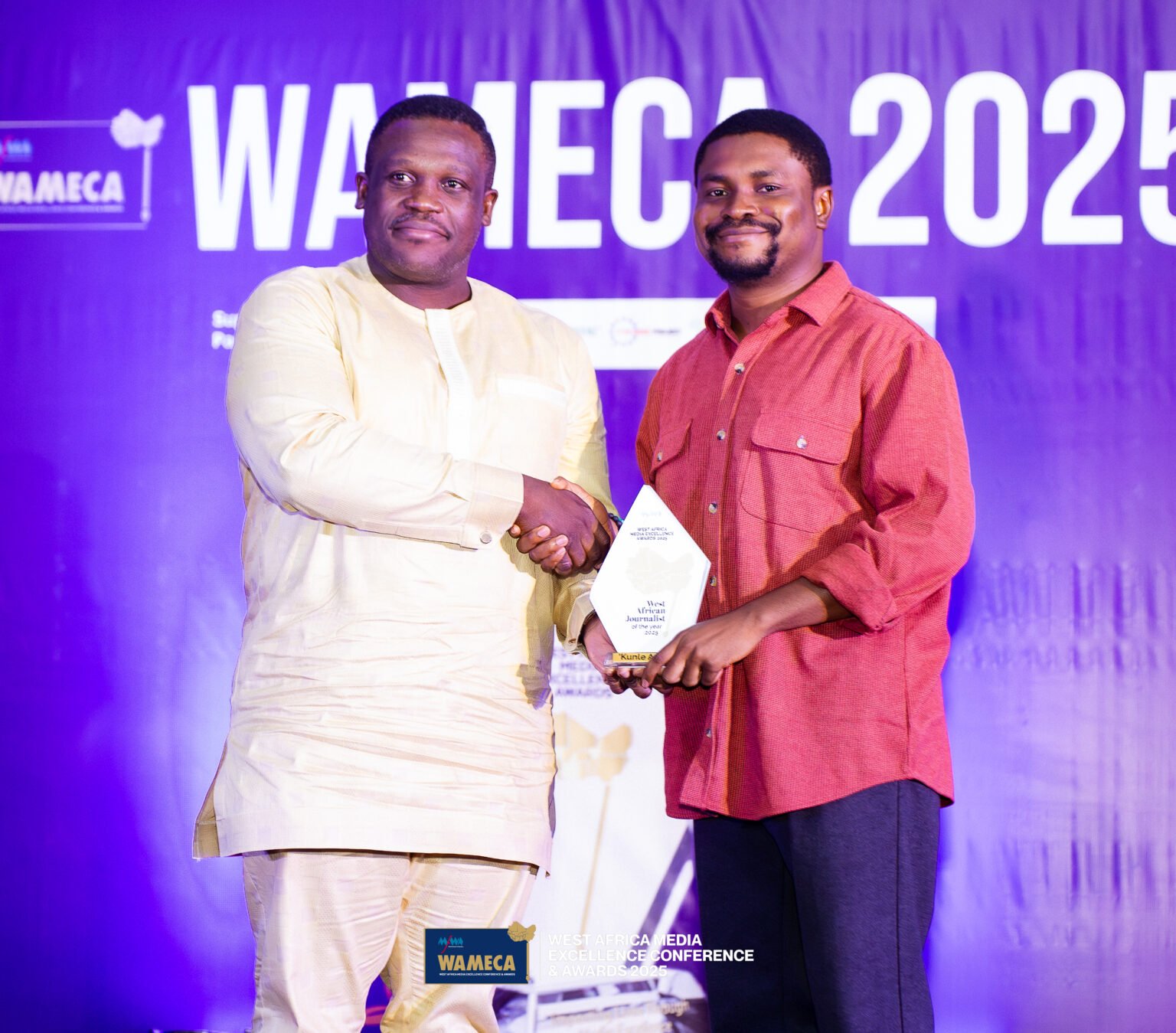
While only one Ghanaian – luv FM’s Clinton Yeboah – made it to the list of 26 finalists, Nigerian journalists dominated the awards constituting eleven (11) out of the finalists and sweeping 6 out of the 9 category awards with the West African Journalist of the year going to HumAngle’s former Investigations Editor, Kunle Adebajo.
Expressing his disappointment with what he called falling standards of journalism in Ghana, the minister of Communication, Digital Technologies and Innovation, Samuel Nartey George expressed worry that journalism no longer commands the respect it once attracted.
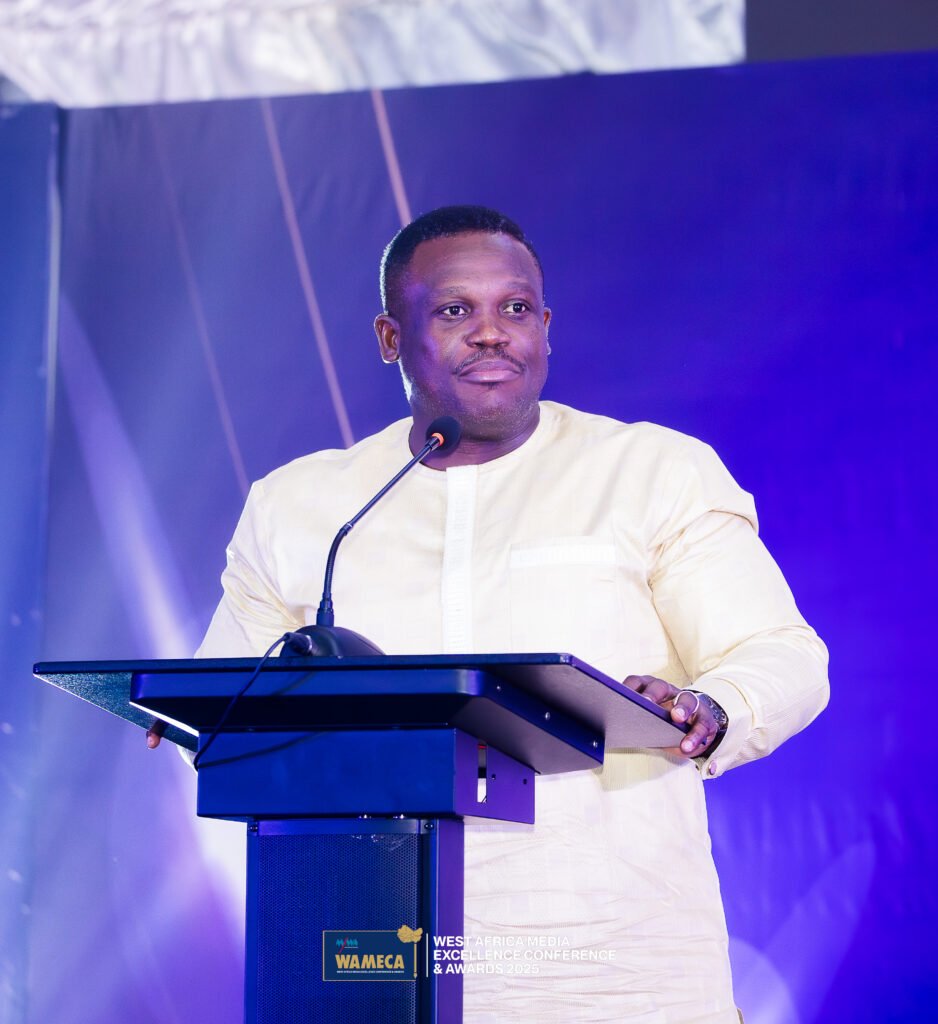
“26 finalists are in for awards today, Kwame Nkrumah’s Ghana has only one and that should give us course for worry. We used to be the bastion of journalism. We used to blaze the torch of quality in everything be it journalism or sports. As the government talks about a reset agenda, I think working with the Media Foundation for West Africa, we need to reset journalism again,”
I visited spice FM, the third biggest media house in Kenya. Even our best media house in Ghana cannot compete with spice. I am ashamed to say. I saw the space in which they worked and the quality of production they did.”
I want to see a Ghanaian journalism fraternity that is respected because of the quality if work you do. Today when you say you are a journalist in this country, people do not give you the requisite respect that you need,” Sam George lamented.
He took it out hard at media practitioners who have reclined into laziness, choosing to employ Artificial intelligence instead of the painstaking process of research and data gathering, to produce their stories.
“To the up and coming journalists, the AI Generation, AI is not meant to replace the hours of research it takes to produce a journalistic piece. AI is not to replace the thinking of human beings but many of us have mortgaged our thinking faculties to Artificial Intelligence. It is affecting the quality of work that is being produced,” the minister instructed.
Grand Jury Comments
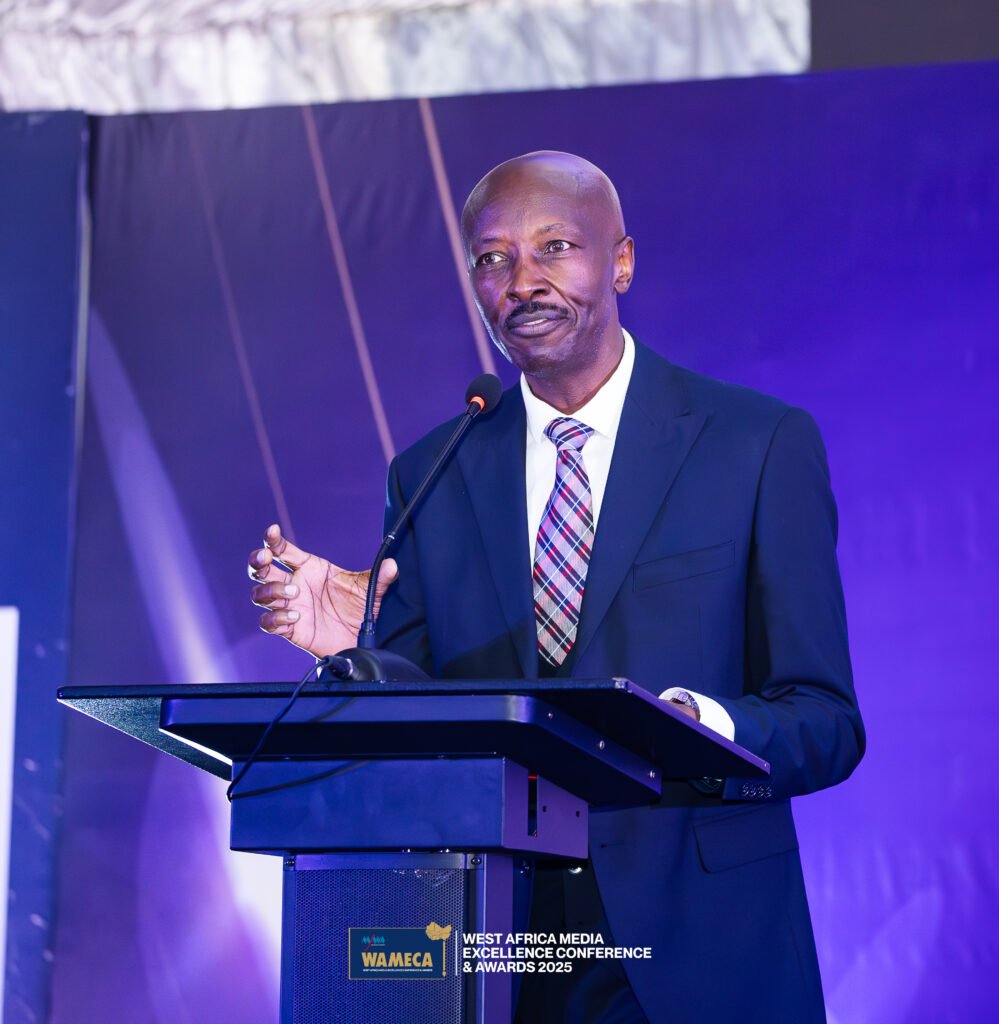
As if this was not humiliating enough, a member of the grand jury, former head of BBC Africa News and seasoned Kenyan Media Consultant Joseph Warungu could not hide his heartbreak after reviewing stories entered by Ghanaian journalists.
He recounted, “As an honorary Ghanaian who has lived and worked in Ghana for a while; I was sitting comfortably when I was informed by WAMECA that the stories were coming in. I was looking for a deluge of stories from Ghana, the powerhouse of storytelling and then its only one story limping along that came into the finals.
“I said what happened to this my country because this is my adopted country. I felt betrayed by my journalists in Ghana because when I joined WAMECA in 2020 the stories from Ghana were on fire,” he pointed out with concern.
MFWA WAMECA – 2025
Executive Director for the Media Foundation for West Africa Sulemana Braimah pointed out that aside the credibility and commitment of the MFWA to credible and ethical journalism, the foundation continues to assemble the most qualified and finest experts of the profession to identify the best entries for WAMECA.
This year’s conference and awards, themed “Journalism and Digital Public Infrastructure in Africa,” was particularly timely as African governments are investing substantial public funds in building national digital identification systems, digital payment platforms, and data-sharing frameworks – the foundational pillars of Digital Public Infrastructure (DPI).
WAMECA 2025 Sessions:
The first of the two-day conference preceding the awards had a rich array of panel discussions on extensive topics including Journalism, DPI and Africa’s Future Development; DPI and Inclusive Development in Africa; Highlighting the Role of Journalism in Promoting DPIs in Africa and Experience Sharing from DPI Journalism Fellowship.
The last day of the conference saw more panel discussions around Africa’s financial independence: the role of Fintechs in combating IFFs; the Safety of Journalists and Political Accountability and Forging collaboration among the state, private sector and CSOs for DPI Ecosystem enablement.
The ceremony gathered some 300 journalists from across Africa alongside industry captains in tech and communications; policy makers; civil society bodies and strategic partners.
WAMECA 2025 enjoyed the support of MTN; GCB Bank, Oxfam, 11th Hour Project, AfricaNenda Foundation; Co-Develop and DW Akademie.