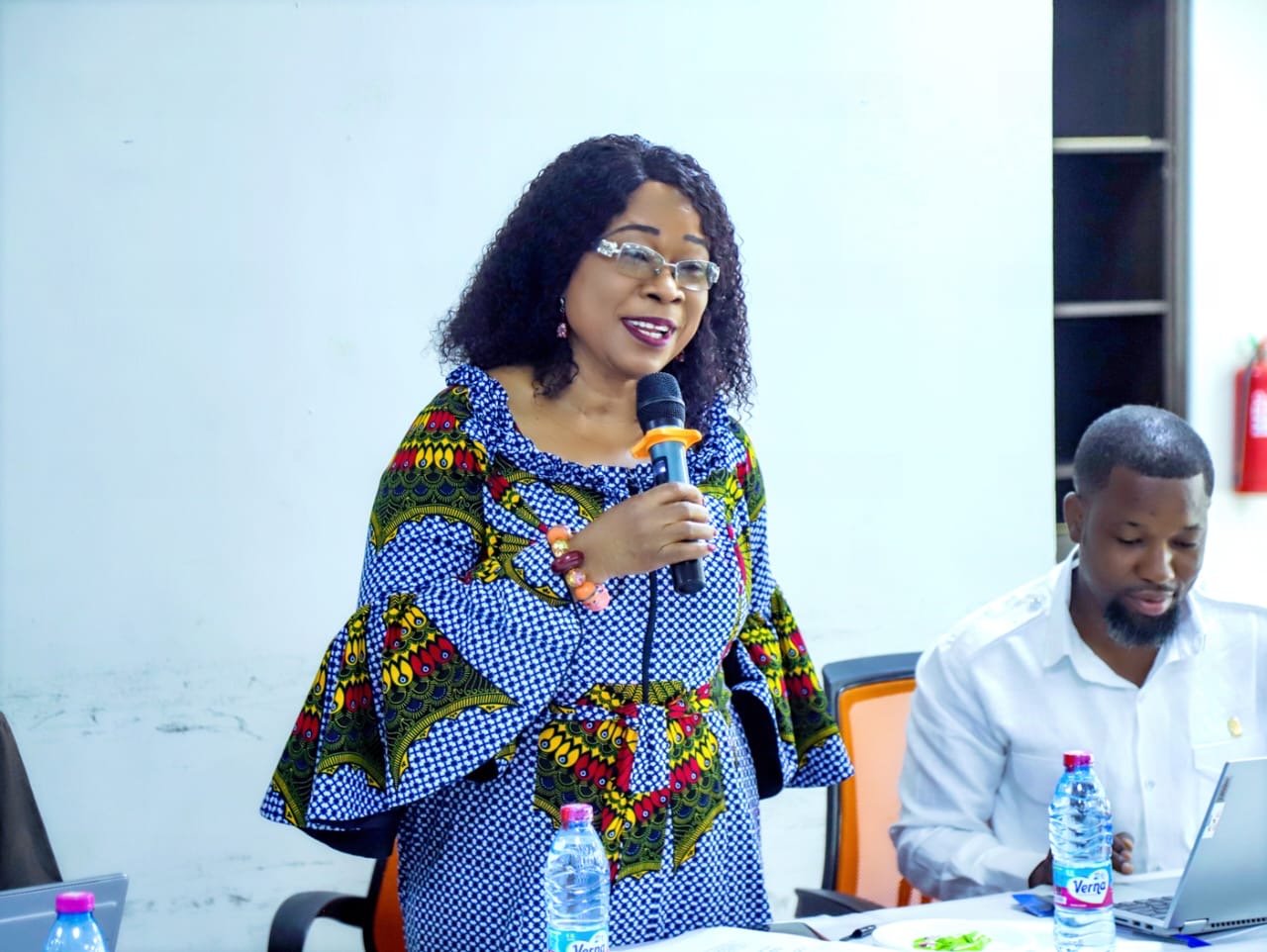
The Ghana Health Service (GHS) is scaling up the National Community Scorecard Initiative to give communities a stronger voice in assessing and improving the quality of primary healthcare services across the country.
The initiative, coordinated by the Policy, Planning, Monitoring and Evaluation Division (PPMED) of the GHS, is designed to operate across all 16 regions and 261 districts, with the aim of making community feedback a routine part of health service planning and delivery.
The Community Scorecard provides a structured quarterly mechanism through which community members assess health services and identify areas requiring improvement.
According to the GHS, routine health data mainly captures services delivered by providers but does not adequately reflect how communities experience those services.
The scorecard therefore seeks to bridge this gap by collecting community views on issues such as quality of care, respect, accessibility and availability of medicines.
The exercise is embedded within the Community-based Health Planning and Services (CHPS) framework and is led at the community level by Community Health Management Committees (CHMCs), with support from health workers and health authorities at sub-district, district, regional and national levels.
Under the system, communities score nine indicators every quarter. These include respectful and compassionate care, waiting time, availability of medicines and diagnostic services, accessibility and quality of health infrastructure, leadership and management, cleanliness and safety, home visits by health workers and community health volunteers, and assessment of NHIA services.
Each scoring session must have at least 15 community participants, with women accounting for at least 50 percent of participants. Health staff are excluded from the scoring session to encourage honest feedback and only participate during the subsequent interface meeting with the community.
The indicators are scored on a three-point scale, with three representing good performance, two average performance and one poor or unavailable service. The maximum score for the nine indicators is 27.
After scoring, the results are presented to health facility managers and staff during an interface meeting. The community and facility then jointly develop a Community Health Action Plan outlining agreed actions, responsibilities and timelines.
The results are subsequently entered into DHIMS2 and visualised on the national scorecard platform, allowing performance to be monitored from the CHPS level through district, regional and national levels.
The initiative is being implemented under a 48-month project funded through Expertise France’s French 5% Initiative, with the Ghana Health Service as the lead institution.
READ: Birim Central MCE commissions two health facilities, six mechanised boreholes
The project targets the training of personnel and communities in 1,850 CHPS zones and 135 hospitals. It also seeks to train journalists across all 16 regions to improve public awareness of the scorecard and strengthen links between the media and communities.
Implementation has already recorded progress, with 80 of 80 regional facilitators trained and 782 of 783 targeted district officers trained. Training has also been completed for 132 of 135 hospital quality managers. However, only 685 of the targeted 1,850 CHPS zones and 47 of the 135 district hospitals had been trained at the time of the September 2026 progress assessment.
The GHS also reports that 52 journalists have been trained under the initiative, while the HIV and TB scorecards have been completed and female and key-population participation reporting mechanisms established.
Despite the progress, the initiative faces challenges including inconsistent reporting by health facilities, incomplete scoring, community fatigue, unverified data entered into DHIMS2 and delays in the transfer of funds.
The GHS plans to address these challenges through quarterly follow-ups, improved validation of data, ranking of CHPS zones to identify high and low performers, stronger tracking of action plans and better alignment of funding disbursements with the implementation cycle.
For the October 2026 to March 2027 implementation period, the Service plans to complete training for the remaining 1,165 CHPS zones and 88 hospitals, conduct 64 national supportive supervision exercises and organise 32 peer-learning workshops.
The broader objective is to institutionalise the Community Scorecard within Ghana’s health system so that community feedback becomes a regular input into health management, budgeting, supervision and service improvement.
The GHS says the initiative is ultimately intended to strengthen accountability, improve service quality and ensure that communities not only assess health services but also participate in determining how identified problems are addressed.
Speaking at training webnar for journalists on the Community Scorecard (CSC) Project in Ghana on September 30, 2026,the Director of the Policy, Planning, Monitoring and Evaluation Division of the Ghana Health Service, Dr.Samuel Boakye-Boateng urged journalists to go beyond reporting Community Scorecard findings and actively follow up on commitments made by health authorities to address concerns raised by communities.
He said the media has a critical role to play in ensuring that community feedback translates into tangible improvements in healthcare delivery.
Dr. Boakye-Boateng described the media as a bridge between communities, health managers, policymakers and the wider public.
He encouraged journalists to investigate whether agreed actions had been implemented, who was responsible for them and whether the interventions had resulted in improved health services.
“Follow the action, not only the announcement,” Dr. Boakye-Boateng told journalists, urging them to ask what was agreed, who was responsible, whether commitments were being honoured and whether the action had actually improved services.
Speaking at the webinar, the Executive Secretary of African Media and Malaria Research Network (AMMREN), Dr. Charity Binka called for stronger collaboration between communities, health service providers and the media to improve accountability and responsiveness in Ghana’s health sector.
Dr. Binka said the Community Scorecard provides an important platform for communities and health service providers to jointly identify challenges, set priorities and contribute to improving the quality of healthcare.
She stressed, however, that the impact of the initiative would depend partly on how effectively the experiences and concerns emerging from communities are communicated to the wider public and decision-makers.
“This is where the media has a particularly important role to play,” Dr. Binka said.
According to her, journalists can translate technical health information into accessible public knowledge, bring community concerns to the attention of authorities, highlight positive practices and follow up on commitments made to improve health services.
She added that responsible and evidence-based reporting could contribute to greater transparency, accountability and public confidence in Ghana’s health system.
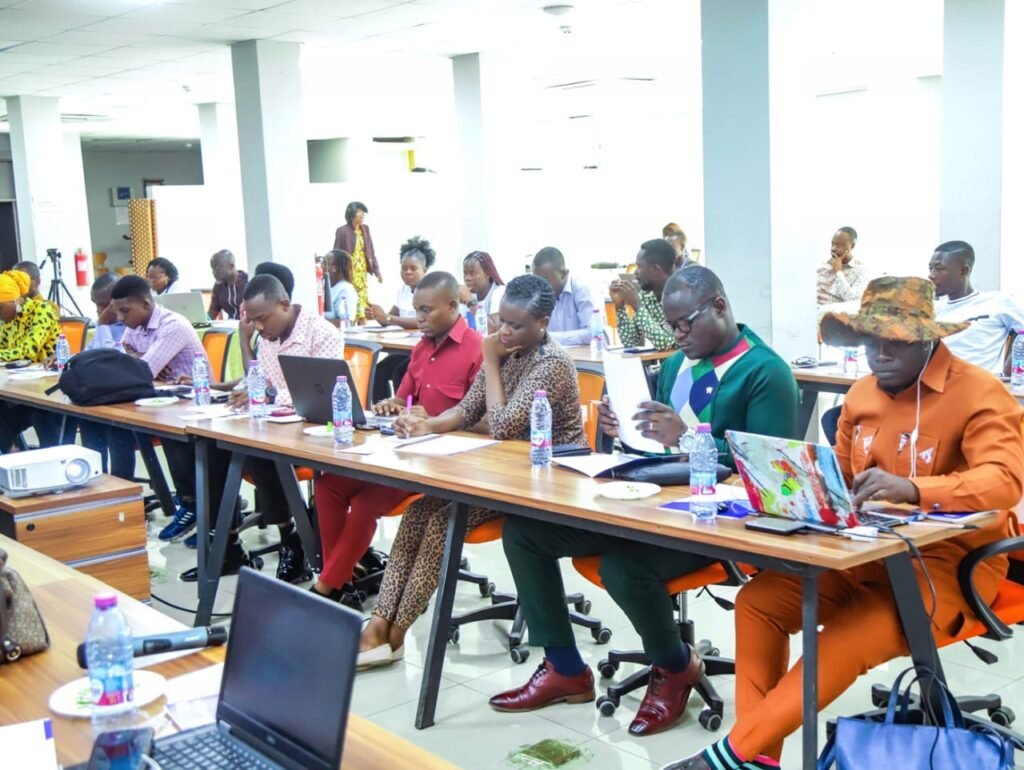
The webinar also provided an opportunity for stakeholders to share experiences, assess progress and deepen understanding of the Community Scorecard methodology.
The engagement brought together the Ghana Health Service, journalists, the African Media and Malaria Research Network (AMMREN), African Leaders Malaria Alliance, Hope for Future Generations, WAPCAS, L’Initiative through Expertise France and other collaborating institutions.