


Ghana’s population is projected to reach 50.2 million by 2050, with over 10 million young people expected to enter the labour market between now and 2040, according to Deputy Minister for Finance Thomas Nyarko Ampem.
Speaking at the launch of the Ghana Infrastructure Plan (GIP) in Accra, Mr. Thomas Nyarko Ampem said the country’s growing population and rapid urbanisation demand bold, strategic, and sustained investment in transport, energy, digitalisation, and agricultural infrastructure.
He said “to meet our most pressing infrastructure needs and catch up with our peers in the world, we need to increase our infrastructure assets in key areas”.
The Deputy Minister of Finance said the new long-term Ghana Infrastructure Plan, developed by the National Development Planning Commission (NDPC), represents a visionary step toward transforming Ghana’s infrastructure landscape and accelerating inclusive, sustainable growth.
“The future of Ghana’s infrastructure is hopeful and brighter. Improving macroeconomic stability provides a platform from which to foster and fund a big push for infrastructure, instead of the usual incremental efforts,” he stated.
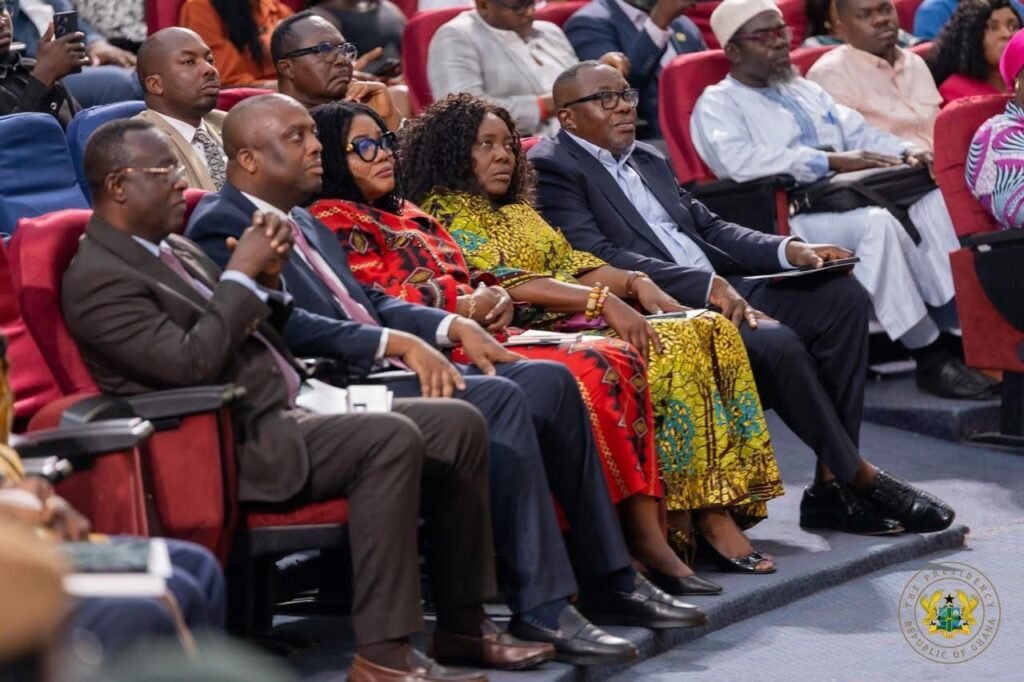
The Deputy Minister emphasized that infrastructure development remains central to President John Dramani Mahama’s economic transformation agenda.
He announced that under the government’s “Big Push Initiative”, GH¢13.9 billion has been allocated this year as part of a US$10 billion medium-term infrastructure financing programme, sourced from petroleum revenues and mineral royalties.
Thomas Nyarko Ampem also hinted that government is also strengthening the Ghana Infrastructure Investment Fund (GIIF) to attract both public and private investment, and rolling out a reformed Public-Private Partnership (PPP) framework to ensure projects are bankable and fiscally sustainable.
According to him, “Ghana has historically underinvested in infrastructure, leading to critical deficits that constrain economic potential.”
He cited a data from the world Bank stating that every cedi invested in infrastructure could generate a fiscal multiplier of 0.8 within a year and 1.5 over two to five years.
Thomas Nyarko Ampem said the Ministry of Finance will collaborate closely with the NDP and Parliament to ensure that all infrastructure project align with Ghana Infrastructure Plan and remain consistent across changes in government.
He stressed the need for collaborative financing, effective coordination, and strategic communication, noting that these will be crucial in ensuring the successful implementation of the plan.
He pledged that the Ministry of Finance commits to work with NDPC and related agencies to undertake targeted strategic engagements with key stakeholders.
“This will secure not only popular, political or policy acceptance across broad stakeholders, but it will underpin our collective efforts to entice private sector partnerships for the implementation of the Plan”.

Thomas Nyarko Ampem concluded that,under the leadership of President Mahama, Ghana is witnessing a renewed national focus on sustainable, people-centred infrastructure; the kind that expands opportunity, enhances productivity, and bridges inequality.
“With macroeconomic stability in sight, thanks to bold reforms and initiatives implemented this year, the Ministry of Finance is eager to work with the NDPC and others to sustain our focus on long term infrastructure development”.
The Deputy Minister of Finance assured that the Ministry of Finance stands ready to co-lead the execution of “building a modern infrastructure that enhances connectivity and trade; Improving quality of life through access to essential services; and Positioning Ghana as a hub for sustainable investment in Africa through infrastructure development. These are the pillars of Ghana’s economic transformation”.
Source: Starrfm.com.gh


