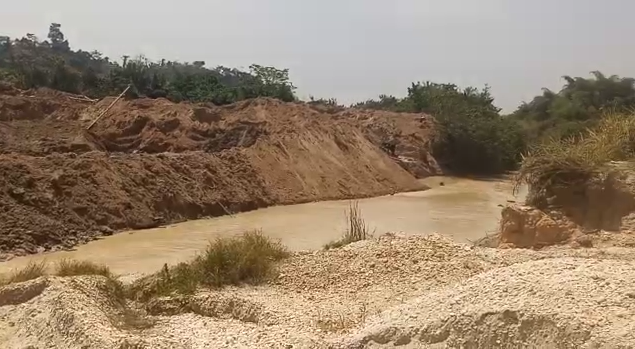
Illegal small-scale mining, commonly referred to as galamsey in Ghana, has led to severe environmental degradation, particularly in water bodies and soils. The uncontrolled mining activities often involve the use of harmful chemicals such as mercury and cyanide, which contaminate water sources, degrade soils, and pose health risks to local communities. The restoration of these contaminated environments is crucial for ensuring the sustainability of agriculture, water supply, and public health. This article explores effective methods to restore contaminated water bodies and soils, the costs involved, and the challenges Ghana faces in achieving environmental restoration.
The Environmental Impact of Galamsey
Galamsey activities cause the release of heavy metals like mercury, lead, and arsenic into soils and rivers, posing both environmental and health risks. Mercury, used in amalgamation processes to extract gold, remains in the environment for years, bioaccumulating in fish and entering the food chain, which causes neurological and developmental issues in humans. Cyanide, often used to dissolve gold in mining, leaches into groundwater and rivers, poisoning aquatic life and rendering water sources unsafe for human consumption.
The contamination of fertile soils also renders land unproductive, threatening the livelihoods of farmers. It is estimated that over 50% of Ghana’s water bodies have been polluted as a result of galamsey operations, and many of these ecosystems have lost their biodiversity, further complicating the restoration process (Atta-Quayson, 2020).
Methods to Restore Water Bodies and Soils
- Phytoremediation
Phytoremediation is the use of plants to absorb, accumulate, and detoxify contaminants from soil and water. Certain hyperaccumulator plants, like Vetiver grass or Sunflowers, are known for their ability to absorb heavy metals such as mercury, arsenic, and lead from the soil. For water bodies, aquatic plants such as water hyacinth can be used to absorb heavy metals and cyanides from contaminated rivers and lakes.
Phytoremediation is a cost-effective and environmentally friendly method, but it is a slow process. Restoring severely contaminated areas may take years, depending on the level of contamination and the types of plants used. Additionally, the plants used in the process may become hazardous waste after accumulating high levels of toxins, necessitating proper disposal.
- Soil Washing and Excavation
Soil washing involves physically removing contaminated soils and using chemical agents or water to separate contaminants from the soil particles. This method is effective in removing heavy metals and cyanide compounds but requires specialized equipment and technical expertise. In cases where soil contamination is too severe for treatment in situ, excavation and replacement with clean soil may be necessary.
The cost of soil washing and excavation can be high. In Ghana, restoring farmland through soil excavation could cost between $10,000 and $50,000 per hectare, depending on the depth and severity of contamination (Boamah, 2021). This makes large-scale application difficult without substantial financial and technical support from the government and international partners.
- Bioremediation
Bioremediation involves the use of microorganisms to break down pollutants in the soil and water. Bacteria that can metabolize cyanide and mercury have been identified and can be introduced into contaminated areas to accelerate the breakdown of these harmful substances. This method is particularly effective for organic contaminants but can be limited by the presence of toxic levels of heavy metals that inhibit microbial activity.
The introduction of engineered microbes and periodic monitoring would cost Ghana around $1,000 to $5,000 per hectare for soil treatment, making it a moderately priced option (Asiedu, 2022).
- Constructed Wetlands
Constructed wetlands can be used to filter out contaminants from water bodies. These systems mimic natural wetland processes, using a combination of soil, plants, and microorganisms to remove metals, cyanides, and other pollutants. Constructed wetlands are particularly effective for treating water contaminated with heavy metals and cyanide due to their low cost and minimal maintenance requirements.
In Ghana, a constructed wetland system could cost between $10,000 and $30,000 per hectare of treatment area, depending on the complexity of the system (Amponsah & Addo, 2020). However, this method requires significant space and careful design to ensure effectiveness.
Cost of Restoration for Ghana
The total cost of restoring Ghana’s contaminated environments is difficult to quantify, as it depends on the extent of contamination, the geographical spread of affected areas, and the methods used. However, estimates suggest that the cost of restoring Ghana’s water bodies and soils affected by galamsey could run into billions of dollars. For example, restoring just 20% of the affected river basins could cost the government up to $400 million over a 10-year period, considering the need for ongoing monitoring, remediation efforts, and community engagement (Ministry of Environment, Science, Technology and Innovation, 2022).
International partnerships and donor funding will be crucial in financing the restoration efforts. The World Bank, the United Nations Environment Programme (UNEP), and other global organizations could play key roles in supporting Ghana’s efforts through technical assistance and funding.
Challenges in Restoration
Despite the urgency of the situation, several challenges make environmental restoration difficult:
- High Cost of Technology and Expertise: Most remediation methods require specialized knowledge and equipment, which are often not readily available in Ghana. Importing technology and training local experts will require significant investment.
- Enforcement of Regulations: Despite laws prohibiting illegal mining and requiring environmental restoration, enforcement remains weak. Many mining companies and illegal operators fail to comply with environmental standards, exacerbating the damage.
- Community Involvement: Many local communities rely on galamsey for their livelihoods, making it difficult to shut down illegal operations without offering alternative sources of income. Engaging communities in restoration efforts is essential, but this requires education, employment opportunities, and financial support.
- Long Restoration Timelines: Even with the best methods, restoring water bodies and soils to their original state will take years, if not decades. The long timeline can discourage sustained investment and public interest in the issue.
Conclusion
Restoring Ghana’s water bodies and soils contaminated by galamsey is an urgent but complex task. It requires a combination of phytoremediation, soil washing, bioremediation, and constructed wetlands, along with substantial financial investment. The costs, estimated to be in the hundreds of millions of dollars, make international cooperation and government commitment essential. While the restoration process is slow and costly, it is crucial for protecting public health, preserving biodiversity, and ensuring the long-term sustainability of Ghana’s natural resources.

Source
Yakubu Adam
Toxicologist
Forensic Investigation for National Development-Ghana (FIND-GH)
Yakubu.adam008@gmail.com