


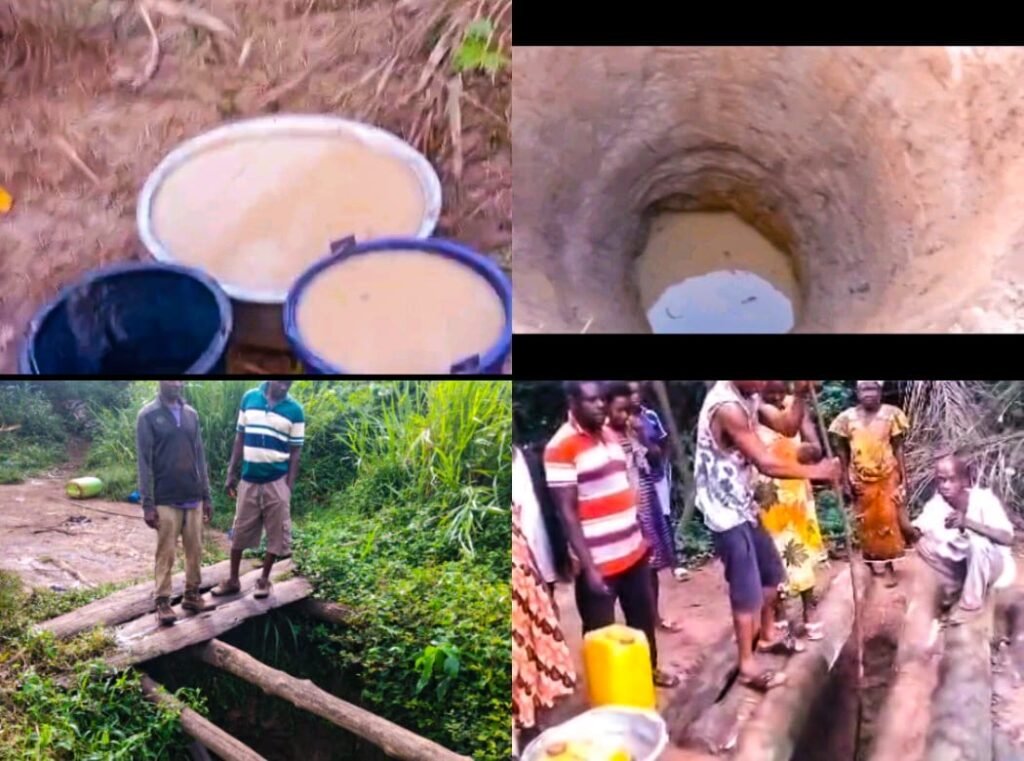
Access to safe drinking water has become a daily struggle for thousands of residents in the Upper Manya Krobo district in Eastern Region, leading to serious health concerns, particularly skin-related neglected tropical diseases (NTDs).
Upper Manya Krobo is one of four districts in the Eastern Region where 1,453 cases of skin-related neglected tropical diseases (NTDs); including Buruli Ulcer, Leprosy, Yaws, and Lymphatic Filariasis; were identified during the recently implemented Partnership for the Eradication of Skin NTDs Project.
Health experts believe reliance on polluted water sources by residents makes them vulnerable to water bone and water washed diseases.
The District chief Executive for Upper Manya Krobo, Emmanuel Kwasi Laweh, is worried about the development.
“Water situation in upper Manya Krobo is very serious. We are even having the river Volta where the Bukunor tap the water to Koforidua. The process of tapping to the upper Manya Krobo people has become a problem. So that is one of my actions I want to take through my MP and Minister for water Resources that, that Bukunor water should be returned to upper Manya Krobo people”. He lamented.
Some Assembly Members in the district described the situation as disturbing, citing the frequent breakdown of the few boreholes and the absence of proper maintenance plans as key contributors to the water crisis in the district.
To partly address the crisis, Ark Development Organization, a nonprofit organization with support from Australia Aid , has partnered with the Upper Manya Krobo District Assembly to revive and empower 50-member Water and Sanitation ( WATSAN) committees in ten selected communities as part of implementation of WASH sustainability project .
Emmanuel Kwarfo Mintah, Executive Director of Ark Development Organization, explained to the media during training of WATSAN members that, “We are dealing with 10 communitjes and we are going to drill boreholes for some of the elected communities. The rest of the communities they have boreholes but how to maintain is a major problem so we are establishing community foundations in those communities. Currently we have been able to establish around four they have started their fundraising. We have tasked them that at the end of the year each community must have at least GHS10,000 so that the assembly also will come in to support.”
The initiative will focus on repairing dysfunctional boreholes, protecting local river bodies, and promoting safe water and hygiene practices.
“We are collaborating with forestry Commission on bring us trees so that we can do the planting along all the water bodies within the communities and where the have the boreholes to preserve the water that they have.” He added.
The intervention is expected to ease the water burden on residents and help combat waterborne diseases linked to the use of unsafe water sources.
Residents are hopeful that sustained support from authorities and development partners will lead to long-term solutions to the district’s water crisis.
Source: Ghana/Starrfm.com.gh/Obed Kojo Ansah


