The Parliamentary Select Committee on Sanitation and Water Resources has expressed satisfaction with the use of the 10 per cent District Assemblies Common Fund (DACF) allocation for water and sanitation interventions by a majority of assemblies in the Volta and Oti Regions.
The assessment formed part of the Committee’s second-phase accountability engagement with Metropolitan, Municipal and District Assemblies (MMDAs), aimed at examining how the statutory sanitation allocation is being accessed and utilised, the projects and programmes being undertaken, and the challenges confronting the assemblies in implementing them.
The Committee engaged 18 MMDAs from the Volta Region on Friday, September 18, 2026, before continuing with presentations from the 9 districts in the Oti Region on Saturday, September 19. The assemblies presented accounts of their 2025 and 2026 DACF allocations and receipts, sanitation interventions, challenges and difficulties encountered in accessing and utilising the funds.
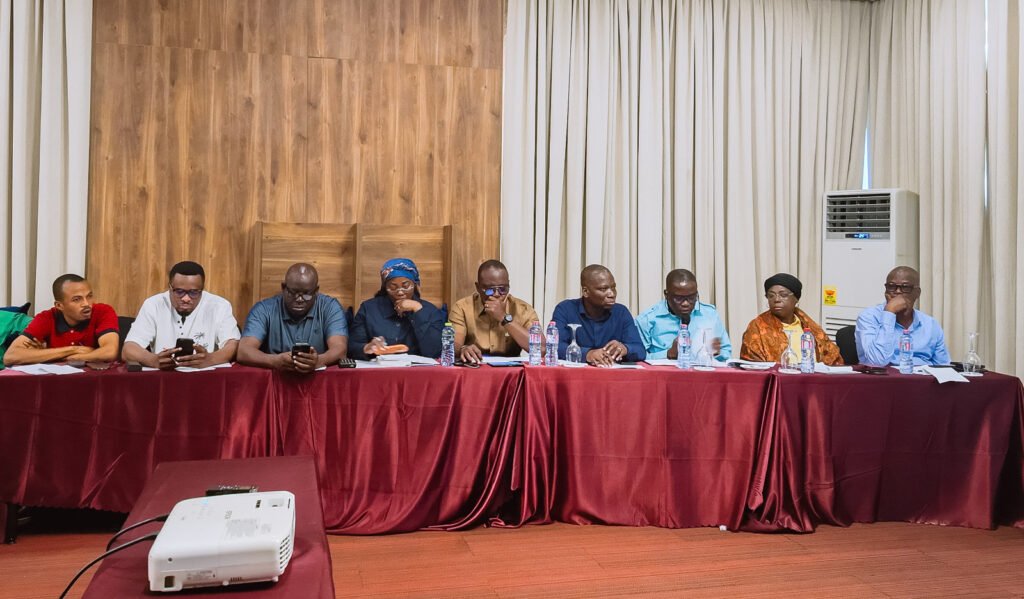
Speaking in an interview after the second day’s engagements, the Member of Parliament for Salaga South and member of the Committee, Ibrahimah Mohammed Zuwera, said the presentations had demonstrated that the 10 per cent allocation was supporting a range of practical interventions in local communities.
She said the Committee had seen evidence of investments in institutional toilets, mechanised and hand-pump boreholes, desilting, drainage works and other sanitation-related activities across the two regions.
According to her, the experience had strengthened the Committee’s position that sanitation required a more dedicated and sustainable financing mechanism, particularly given the results being achieved with the existing allocation.
“Today, we’ve had an opportunity to work with the nine districts in the Oti Region and I think out of the nine, eight have been stellar,” she said, commending the assemblies for what she described as their accomplishments, quality of work and commitment to addressing sanitation challenges.
She, however, said the Committee had identified concerns with the presentation from Nkwanta North District and would require the assembly to return for further engagement in Accra to clarify issues raised during the assessment.
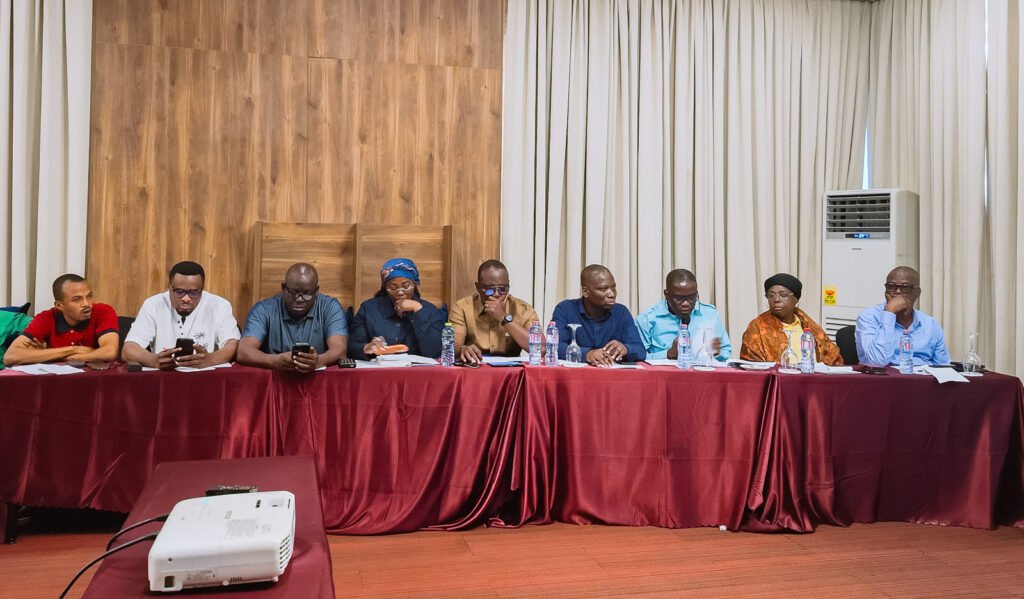
Ms. Zuwera stressed that the exercise was not intended merely to determine whether assemblies had spent money, but also to establish whether public funds were being used for their intended purposes and whether the interventions were producing results at the community level.
She said the Committee had also sought to establish the actual status of DACF releases, cautioning assemblies against attributing implementation challenges to non-release of funds where allocations had already been transferred.
According to her, the two quarterly allocations for 2026 had been paid, and assemblies therefore needed to provide accurate information on the status of their funds and expenditure.
“Public funds are public funds. They are not funds for personal use,” she said, adding that the Committee would continue to encourage MMDAs to ensure that public resources translated into tangible benefits for residents.
The Committee’s assessment was reflected in the experience of the Krachi East Municipal Assembly, where Municipal Chief Executive Sarfo Nketia said the assembly had used its sanitation allocation to undertake activities including desilting, construction of drains, dislodgement of sanitation facilities and clearing of sites.
Mr. Nketia said the municipality was also facing increased pressure on its sanitation and other public facilities due to an influx of people into the area, partly as a result of instability and conflicts in some surrounding communities.
He said the growing population was putting pressure on available facilities and increasing the municipality’s expenditure requirements.
According to him, access to potable water remained one of the municipality’s major challenges, despite the availability of the large lake which supports economic activity in the area.
He proposed the development of a mini water system to complement existing borehole interventions and improve access to potable water in the municipality.
Mr. Nketia also commended Zoomlion Ghana Limited for its support to the municipality, particularly in waste lifting and clean-up exercises, saying the company had provided additional assistance during national sanitation exercises.
In the Kadjebi District, District Chief Executive Dr. Sam Suraj Isaka said the assembly had adopted a collaborative approach involving market women and transport operators in maintaining sanitation at key facilities.
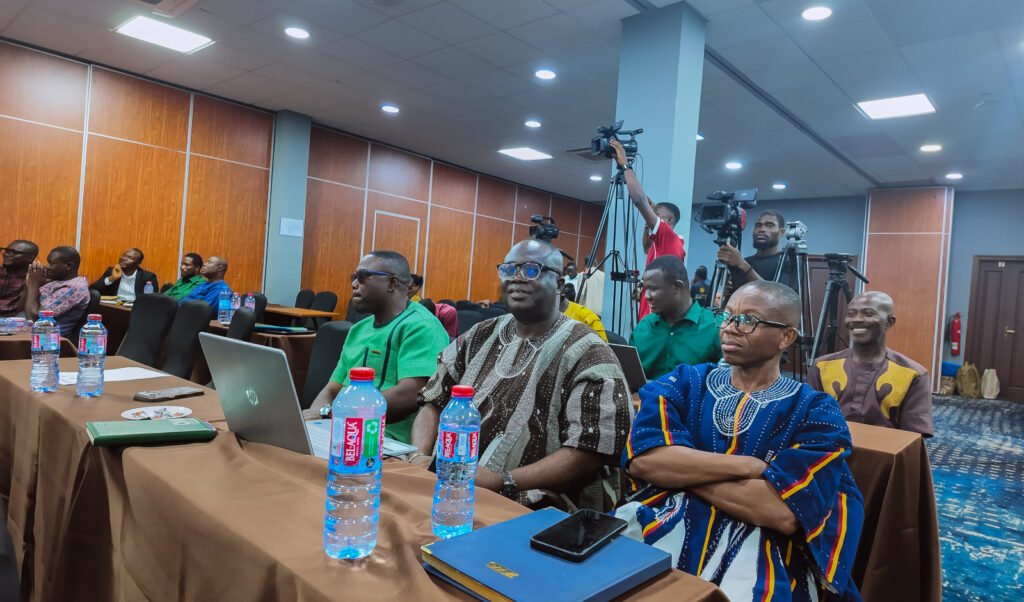
He said the approach had helped the assembly to improve sanitation while also encouraging stakeholders to contribute towards the payment of people engaged to clean the facilities.
Dr. Isaka said the assembly had also invested in water interventions, including eight mechanised boreholes, with another five in progress, the repair of about 23 boreholes and the provision of hand pumps in communities.
He said the district’s assessment put its water coverage at about 88 per cent, although sanitation remained challenging because of littering and difficulties in changing public behaviour.
The Kadjebi DCE said the assembly was therefore pursuing public education on waste reduction, reuse and segregation, while encouraging residents to reduce their reliance on single-use plastic materials.
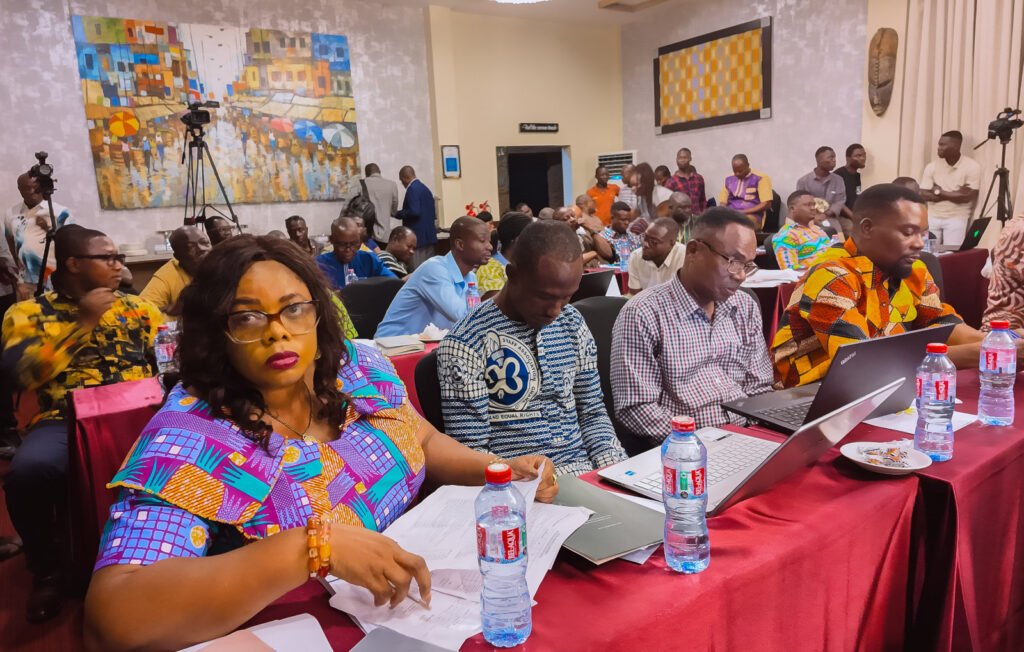
He further disclosed that the district’s sanitation bylaws had been gazetted, paving the way for stronger enforcement against sanitation offenders.
Dr. Isaka said the assembly would first engage households and communities through education before fully enforcing the bylaws, with the objective of improving public health and environmental cleanliness.
The Committee’s two-day engagement also reinforced its earlier call for a dedicated national sanitation fund. Ms. Zuwera said the results from the MMDAs showed that additional resources could enable assemblies to do more, provided the funds were properly targeted and accounted for.
She said the Committee would continue its field engagements and follow up on issues requiring clarification before compiling its findings and recommendations.
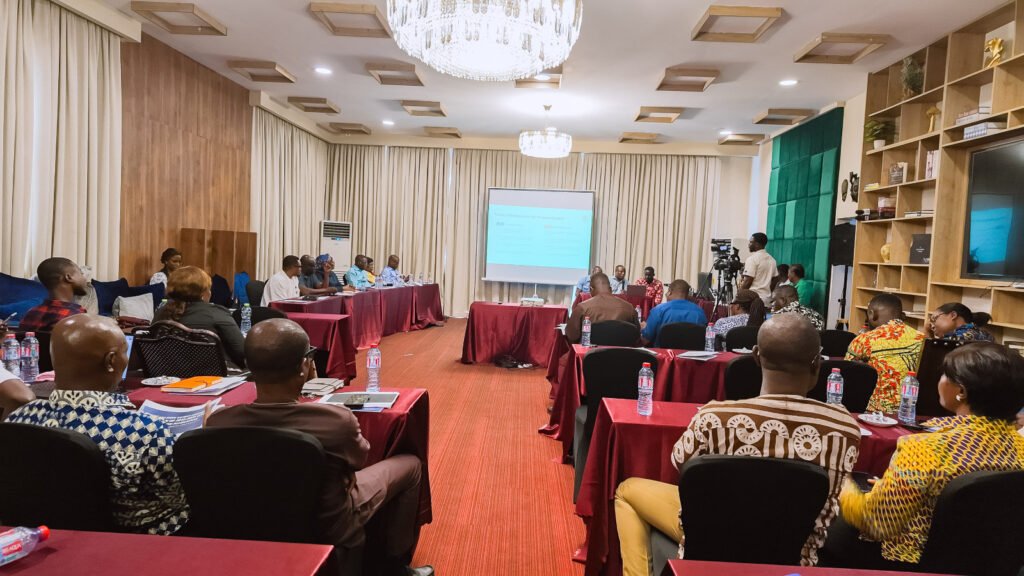
The exercise is expected to provide the Committee with a clearer picture of how the 10 per cent DACF sanitation allocation is being accessed and utilised at the local level, the effectiveness of interventions funded through the allocation, and the financial and operational challenges that continue to affect sanitation delivery across the country.