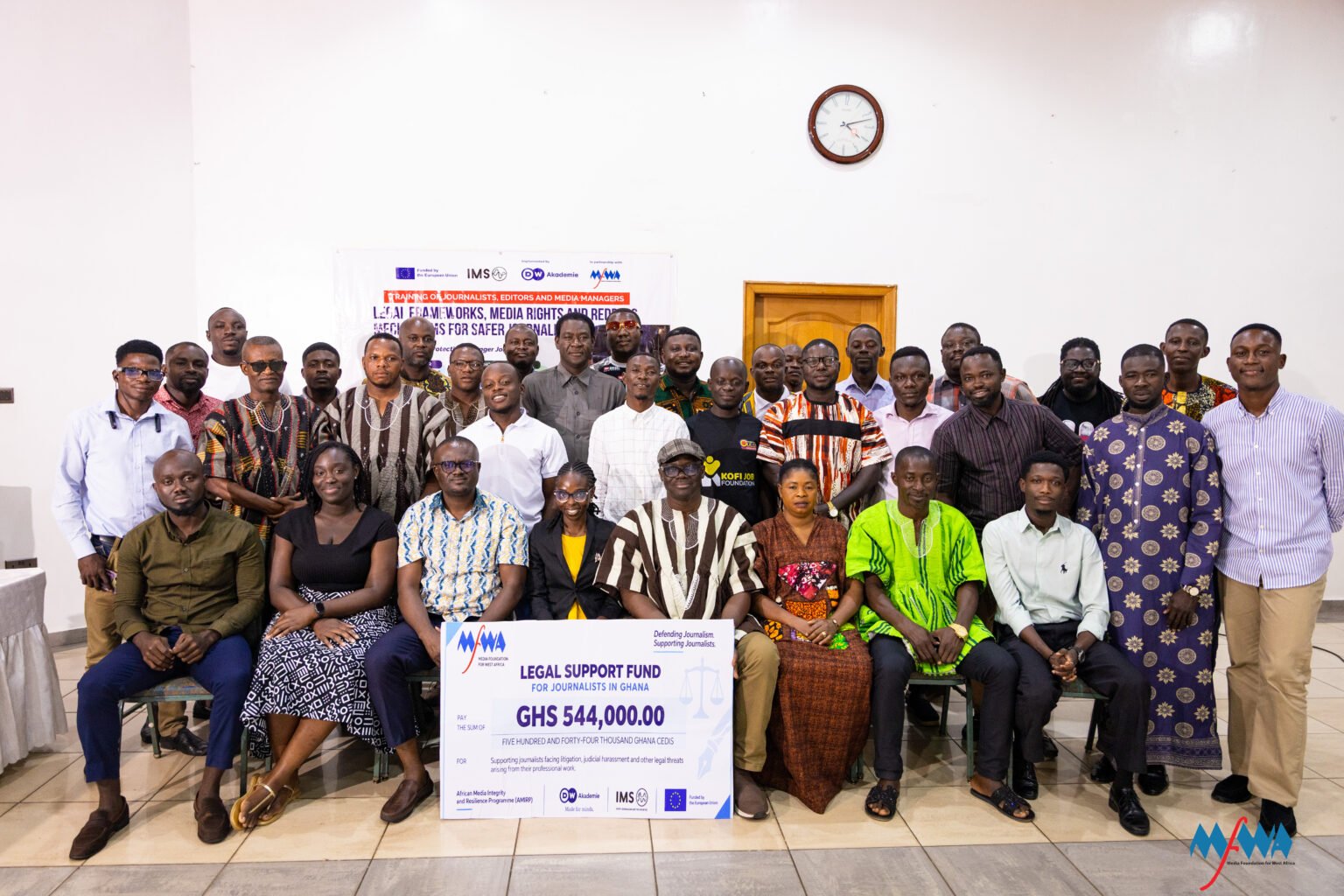
The Media Foundation for West Africa (MFWA) has begun a five-day residential training programme aimed at strengthening journalists’ understanding of the legal framework governing media practice in Ghana.
The training brings together journalists, editors and media managers from the northern sector, for an intensive programme focused on media law, legal risks and mechanisms available to protect journalists in the course of their professional work.
The programme will also culminate in the launch and operationalisation of a Legal Support Fund (LSF) to facilitate access to legal assistance for journalists facing litigation or judicial harassment arising directly from their legitimate professional work.
The initiative forms part of the African Media Integrity and Resilience Programme (AMIRP), which seeks to contribute to independent, resilient and viable media ecosystems that counter information manipulation and strengthen democratic governance in Ghana, Ethiopia and the Central African Republic.
In Ghana, AMIRP is being implemented by the MFWA in partnership with DW Akademie through International Media Support (IMS), with funding from the European Union.
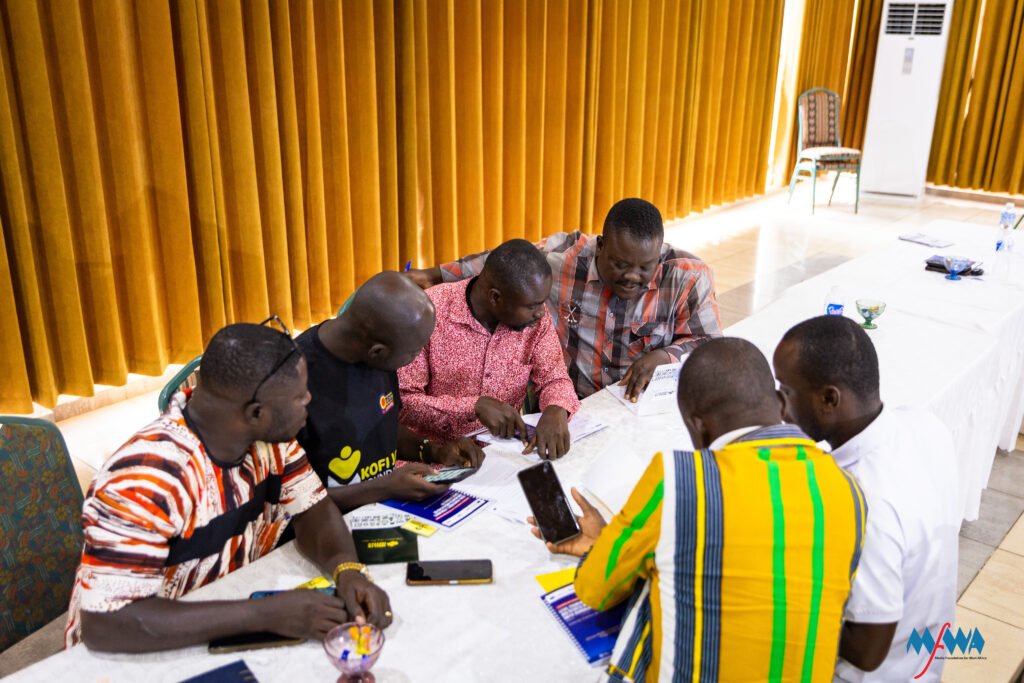
The training comes against the backdrop of legal challenges faced by journalists in the course of their work, including arrests, civil defamation suits, injunctions, cyber-related prosecutions and judicial harassment.
The programme is therefore designed to strengthen journalists’ legal knowledge and equip them with practical tools to identify, assess and mitigate legal risks associated with their work.
Focus on media law and legal risks
Participants are being taken through Ghana’s constitutional, legal and regulatory framework governing media practice, including the rights, duties and responsibilities of journalists.
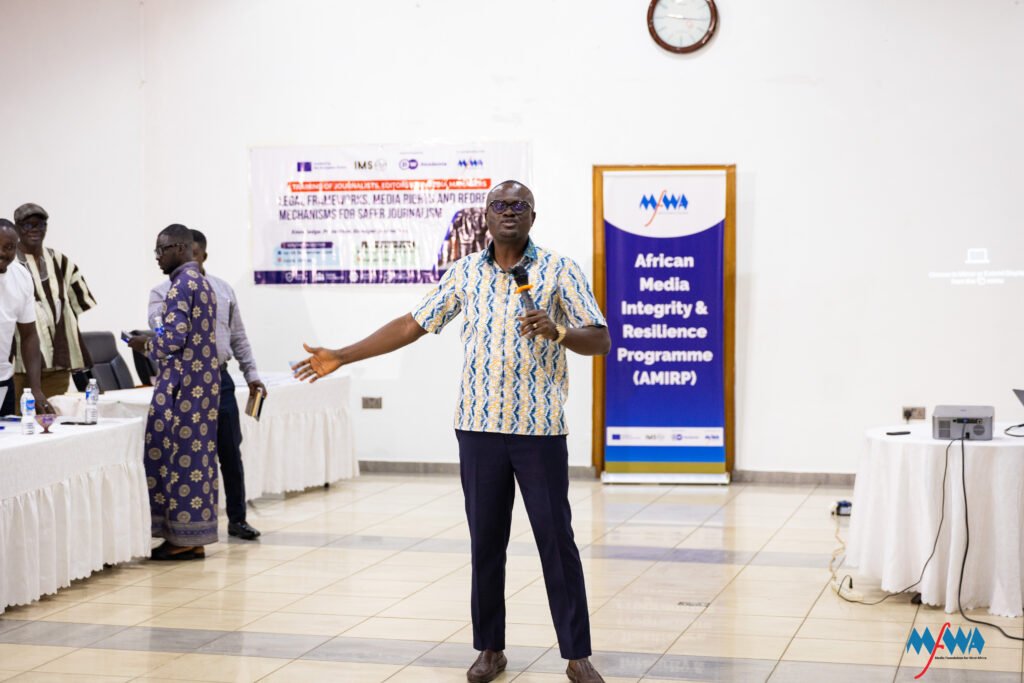
The training covers criminal and civil liability arising from journalistic work, defamation, cybersecurity and electronic communications, digital rights, and the Access to Information framework.
READ: Journalists must not be silenced by fear of lawsuits – Samson Lardy Anyenini
It also addresses arrest, detention and criminal procedures affecting journalists, legal risk assessment and mitigation, ethics, and institutional mechanisms for the protection of journalists and media freedom.
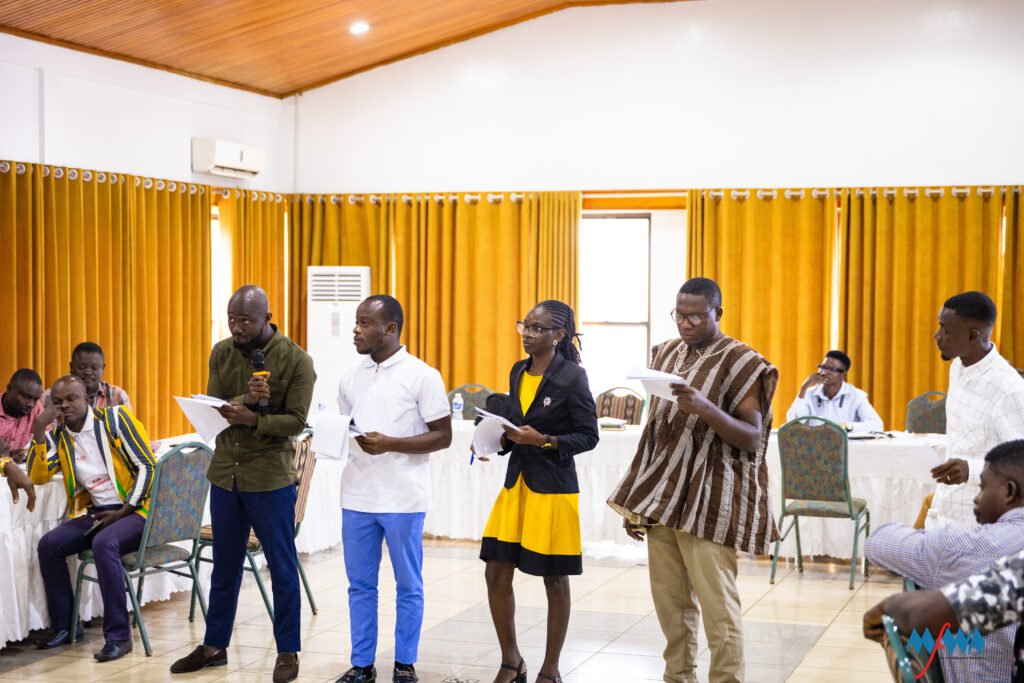
The programme uses expert presentations, discussions, Ghanaian case studies, small-group exercises, role-play and simulations to provide participants with practical experience in responding to legal challenges.
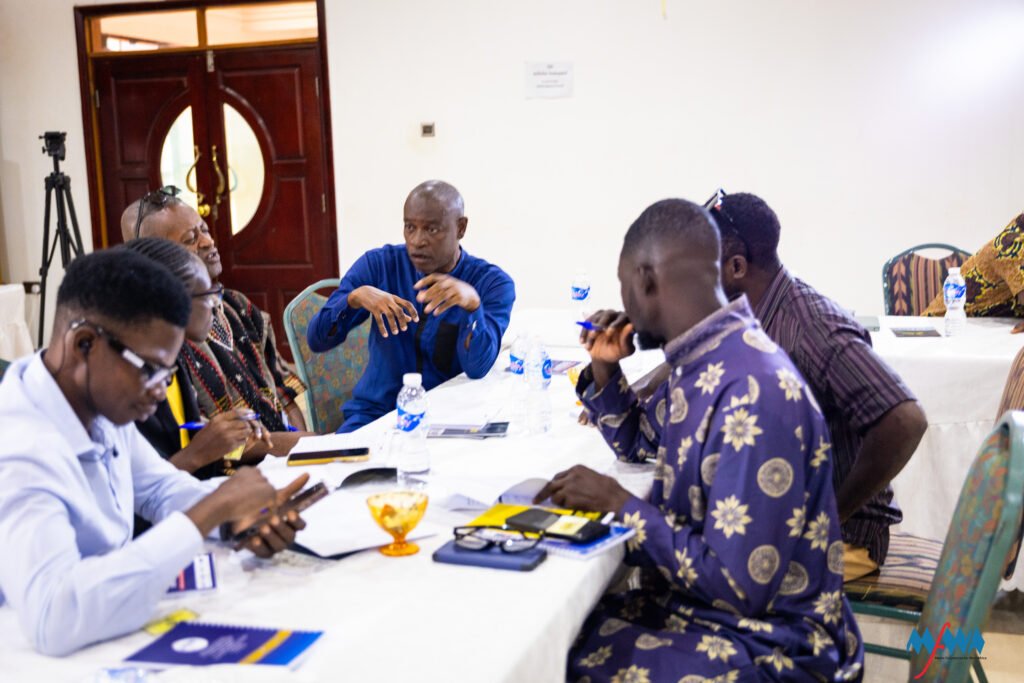
Participants will also examine scenarios involving legal threats, demand letters, law enforcement encounters, arrests and court proceedings.
Launch of Legal Support Fund
A major component of the programme is the operationalisation of the Legal Support Fund, which is intended to provide legal assistance to journalists facing litigation or judicial harassment arising directly from legitimate professional work.

As part of the programme, participants were introduced to the Fund’s governance arrangements, eligibility requirements, application procedures and mechanisms for accessing support.
Regional and international redress mechanisms
The programme also covers mechanisms available to journalists seeking redress beyond Ghana’s national institutions and courts.

Participants are being introduced to relevant Ghanaian, African Union, ECOWAS and United Nations frameworks, including avenues for seeking legal assistance and redress through the ECOWAS Court, African Court and UN mechanisms.
The training is expected to improve the legal knowledge of 60 journalists, editors and media managers and strengthen their capacity to identify and manage legal risks.
It is also expected to increase awareness of available protection and assistance mechanisms, strengthen collaboration between journalists, legal practitioners and media support organisations, and contribute to a safer environment for independent journalism in Ghana.
The programme includes pre- and post-training assessments, daily reflection sessions and participant evaluations, with follow-up monitoring expected to assess the application of knowledge gained and the use of the Legal Support Fund.