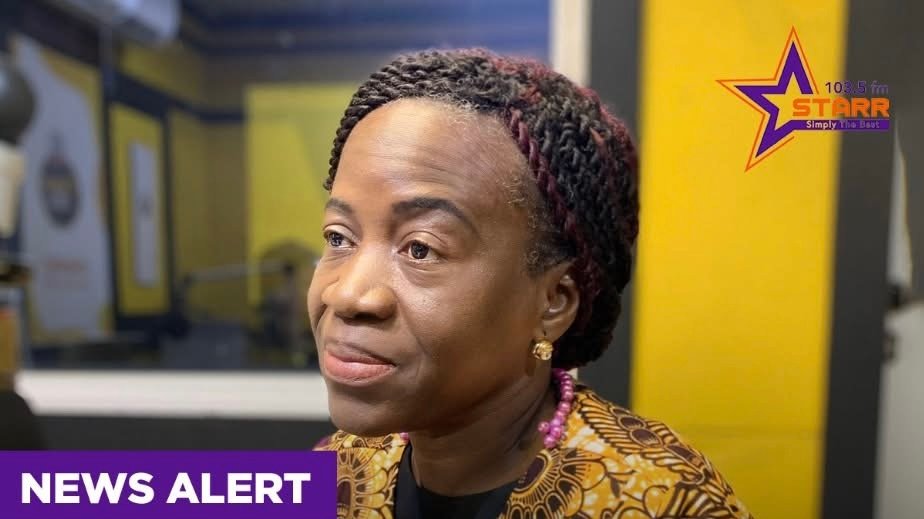
Executive Director of Eco-Conscious Citizens, Awula Serwah, has warned that illegal mining activities could pose risks to food safety, cautioning that produce sold in markets may come from areas affected by galamsey.
Speaking to Isaac Addae on Morning Starr on Starr FM, she questioned whether consumers were sufficiently aware of the origins of food sold in markets and the potential risks associated with produce from areas affected by illegal mining.
“When you go to the market, do you know where the food is coming from? It could be coming from the galamsey area,” she said.
Awula Serwah’s concerns form part of broader warnings about the environmental and public health implications of illegal mining, particularly the potential contamination of water bodies and food sources.
She also raised concerns about chemicals used in illegal gold mining, including cyanide and mercury, warning that their presence in the environment could pose risks that may not be immediately apparent.
“When you’re in Accra and the water is coming through your taps, do you know there’s cyanide in it? Because they don’t announce themselves. They are colourless,” she said.
She stressed that the appearance of water alone cannot establish whether it is safe for consumption, highlighting the need to consider the potential effects of environmental pollution on public health.
Awula Serwah further argued that the consequences of illegal mining extend beyond the immediate mining areas, with farmers and fishermen among those whose livelihoods could be affected by environmental degradation.
“We’re concerned about the livelihood of the criminals, but we’re not concerned about the livelihood of the peasant farmers. We’re not concerned about the livelihood of the fishermen. We’re not concerned about Ghanaians being poisoned,” she said.
READ: ‘Why did you mislead Ghanaians?’ – Jamaludeen Abdullah challenges Mahama over galamsey fight
She cautioned that the broader effects of environmental degradation should not be overlooked in efforts to address illegal mining and protect Ghana’s natural resources.